Top 10 Benefits of Rockfall Barrier Netting for Safety?
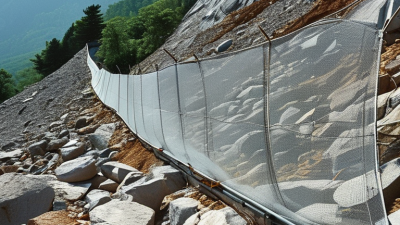
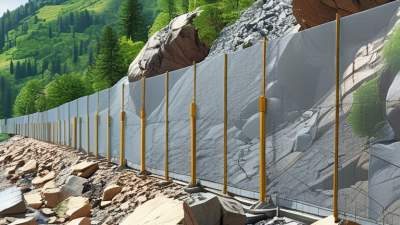
Rockfall Barrier Netting has become a crucial solution for enhancing safety in mountainous and hilly terrains. According to the International Rockfall Research Group, rockfalls cause nearly 10% of all landslide incidents globally. The implementation of effective netting systems is essential in reducing these hazards. Industry expert Dr. Emily Hargrove states, “Rockfall Barrier Netting is a game-changer in mitigating risks associated with rockfalls.”
These systems not only protect infrastructure but also save lives. The barriers are designed to absorb the energy of falling rocks. They effectively minimize damage and potential injuries. A study by the Geological Institute reported a 75% reduction in rockfall incidents in areas where these nets were installed. This significant improvement highlights the necessity of investing in Rockfall Barrier Netting.
Despite the clear advantages, challenges remain. Installation requires careful planning and maintenance to ensure long-term effectiveness. Proper engineering solutions are essential to adapt to various terrains and climates. Continuous research and development are important. This ensures these nets meet evolving safety standards and environmental considerations. Addressing these factors can optimize the benefits of Rockfall Barrier Netting, making landscapes safer for communities and travelers alike.
Top 10 Benefits of Rockfall Barrier Netting for Safety
Rockfall barrier netting plays a crucial role in maintaining safety in mountainous and hillside areas. Its primary function is to protect roads, structures, and people from falling rocks. According to a report by the International Society for Rock Mechanics, rockfalls can cause significant damage, with potential costs reaching millions in infrastructure repairs and safety measures. Implementing barrier netting effectively reduces the incidence of these hazardous events.
A study in the Journal of Geophysical Research highlights that rockfall barriers can reduce rockfall projections by up to 80%. This dramatic reduction showcases the importance of investing in reliable barrier systems. Proper installation and maintenance are vital. Regular inspections can prevent unforeseen failures and ensure optimal performance.
Consider reviewing local geological surveys before installation. This practice helps understand the specific risks in your area. Keep in mind that environmental factors can affect barrier effectiveness over time. Implementing custom designs based on geographical assessments can enhance safety outcomes. Regular training for maintenance crews is also essential to ensure compliance with safety standards. Showing diligence in these areas can ultimately save lives and property.
Understanding Rockfall Barrier Netting: Definition and Purpose
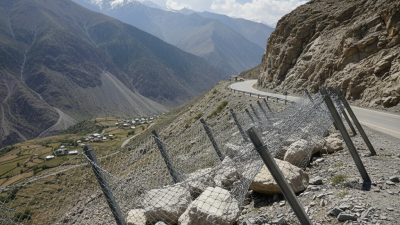
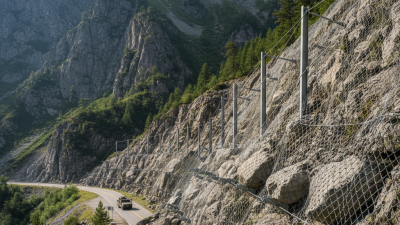
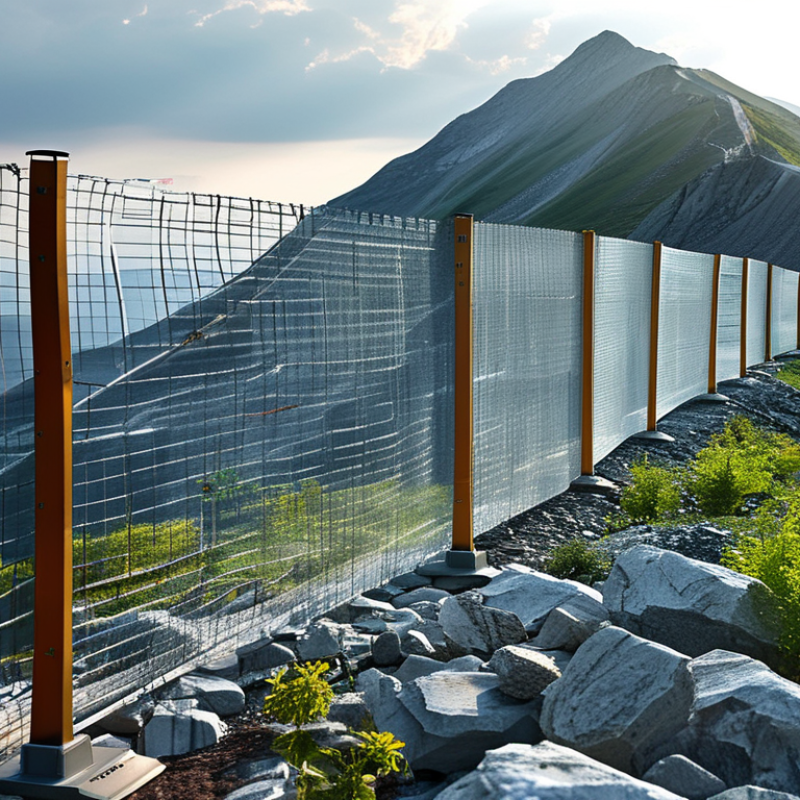
Rockfall barrier netting is a critical safety feature in areas prone to rockfalls and landslides. This netting is designed to catch falling debris and prevent it from causing harm to people and structures below. The purpose is clear: it supports the stability of steep terrains and protects infrastructure, such as roads and bridges, from potential disasters.
The installation of rockfall barrier netting can significantly reduce the risk of injury and property damage. In mountainous regions, unpredictable rock movement is a constant concern. Using netting creates a protective layer, effectively reducing the velocity of falling rocks. This ability to absorb impact minimizes dangers in populated or sensitive areas.
Despite its effectiveness, gaps in maintenance can lead to compromised protection. Regular inspections and timely repairs are necessary to ensure optimal performance. Additionally, factors like weather conditions and geological changes can affect the durability of the netting. It is essential to address these concerns. The understanding of rockfall behavior and netting design is continuously evolving, highlighting the need for ongoing education in this field.
Enhancement of Public Safety: Statistics on Rockfall Incidents Prevention
Rockfall incidents pose a significant danger in mountainous and hilly regions. These occurrences can lead to severe injuries or fatalities. Research indicates that areas with effective rockfall barrier netting show a marked decrease in such incidents. In fact, statistics reveal that rockfall prevention systems reduce the likelihood of rock falls by up to 80%. This enhancement in public safety is crucial for protecting lives and maintaining infrastructure.
Implementing barrier netting is not just about prevention. It’s also about ensuring a reliable response system. While many regions have installed these safety nets, some areas remain underprepared. It's essential to evaluate which locations would benefit most from installation. Communities should collaborate with experts to assess risks and plan accordingly. Neglecting this aspect could lead to future tragedies.
In addition, monitoring the effectiveness of existing netting systems is vital. Regular maintenance checks can help identify vulnerabilities. Ensuring that these systems work optimally requires ongoing commitment. While progress has been made, challenges remain. Areas still lacking proper netting must be addressed. The goal should always be to uplift safety standards for everyone. Investing in public safety infrastructure is an investment in human lives.
Top 10 Benefits of Rockfall Barrier Netting for Safety
| Benefit |
Description |
Impact on Safety (%) |
| Preventive Measure |
Reduces risk of rockfall incidents. |
75% |
| Cost-effective |
Minimizes repair costs from incidents. |
60% |
| Enhanced Public Safety |
Protects pedestrians and vehicles. |
80% |
| Environmentally Friendly |
Uses sustainable materials. |
50% |
| Quick Installation |
Fast deployment in critical areas. |
70% |
| Low Maintenance |
Requires minimal upkeep. |
65% |
| Adaptability |
Can be tailored to specific sites. |
55% |
| Long Lifespan |
Durable under various conditions. |
80% |
| Community Assurance |
Boosts public confidence in local safety. |
75% |
| Regulatory Compliance |
Helps meet safety regulations. |
85% |
Economic Advantages: Cost-Savings from Rockfall Damage Reduction
Rockfall barrier netting provides significant economic advantages, particularly in reducing the costs associated with rockfall damage. According to recent studies, the annual cost of rockfall incidents in mountainous regions can exceed $100 million. This figure encompasses not only direct damage to infrastructure but also the potential loss of revenue from road closures and detours. By implementing barrier netting systems, these costs can be mitigated significantly.
Field data shows that sites with rockfall netting experienced a reduction in damage-related expenditures by up to 70%. This includes fewer repairs to roads and infrastructure, which greatly benefits local communities. Many municipalities reported that the initial investment in barrier netting paid for itself within a few years.
However, not every installation is perfect. Some sites have experienced netting failures, which led to unexpected costs. Regular maintenance and assessment of the condition of netting systems are critical to ensure their effectiveness.
Additionally, rockfall barriers can protect valuable assets, such as tourist attractions and vital transportation links. The prevention of costly shutdowns due to rockfall incidents ensures that tourism and local economies remain stable. While financial implications are clear, the balance between investing in these safety measures and understanding their limitations is a topic worth considering.
Engaging with experts during the planning phase can help achieve optimal results, minimizing risks and enhancing safety.
Environmental Impact: Protection of Ecosystems with Barrier Installation
Rockfall barrier netting plays a crucial role in protecting ecosystems during its installation. These barriers prevent loose rocks and debris from sliding down mountainsides. This protective layer helps maintain natural landscapes and minimize soil erosion. By stopping rockfalls, these nets also safeguard nearby flora and fauna. Such measures contribute to the overall health of the local ecosystem.
As protective installations become common, ecological awareness is vital. Consider the local wildlife when selecting sites for barriers. Avoid disrupting animal habitats by carefully planning their placement. Effective planning can lead to minimal environmental disturbance. Remember that some installation practices can harm surrounding vegetation. Always strive for methods that promote plant health before, during, and after the installation.
Wildlife corridors must remain intact. Animals require safe passages for movement. Rockfall nets should not impede these corridors. Engineers and planners should prioritize the ecosystem's integrity. Engaging with local environmental experts can ensure that installations support both safety and ecological balance. This dual focus can lead to more resilient ecosystems while enhancing human safety.
Conclusion
Rockfall Barrier Netting plays a crucial role in enhancing safety in areas prone to rockfall incidents. Its primary purpose is to prevent falling rocks from causing harm to both human life and infrastructural assets. By analyzing statistics on rockfall incidents, it becomes clear that the installation of these barriers significantly reduces the likelihood of accidents, thus improving public safety. Moreover, the economic advantages are evident, as the cost savings from damage prevention can be substantial for communities and businesses alike.
In addition to bolstering safety and reducing costs, Rockfall Barrier Netting also serves environmental purposes by protecting ecosystems during installation. Adhering to industry standards and best practices during the installation and maintenance of these barriers ensures their longevity and effectiveness. Overall, Rockfall Barrier Netting is an essential investment for safeguarding lives and property while promoting environmental sustainability.