2026 How to Choose Rockfall Barrier Netting for Safety?
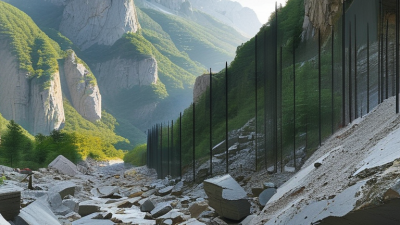
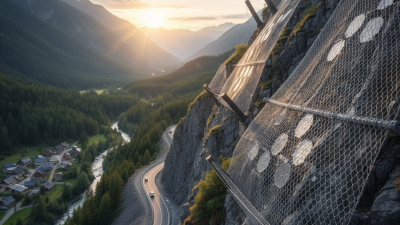
In recent years, the significance of Rockfall Barrier Netting has grown tremendously due to increasing geological hazards. According to the International Society for Rock Mechanics, over 80% of rockfall incidents occur in mountainous regions. These events pose serious risks to infrastructure and human safety. Selecting the appropriate rockfall barrier netting requires an understanding of specific environmental conditions and the geological characteristics of the site.
Experts recommend evaluating various factors, such as mesh size, material strength, and installation methods. For instance, a study by the Geological Society highlighted the effectiveness of high-tensile strength netting in preventing rockfalls. However, not all netting solutions suit every scenario, leading to potential failures. It is crucial to assess local conditions thoroughly and consult experienced professionals to avoid costly mistakes and ensure reliable protection.
While there are many advanced solutions available, challenges remain. Not all barriers can withstand extreme weather or heavy loads. Evaluating the right specifications and ensuring compliance with safety regulations can be daunting. Thus, understanding the complexities of Rockfall Barrier Netting becomes essential for making informed decisions that enhance safety in vulnerable areas.
Types of Rockfall Barrier Netting Available in the Market
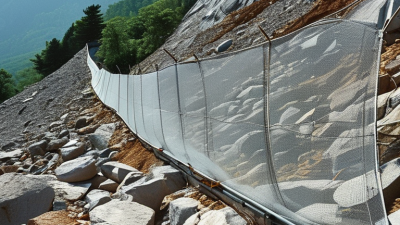
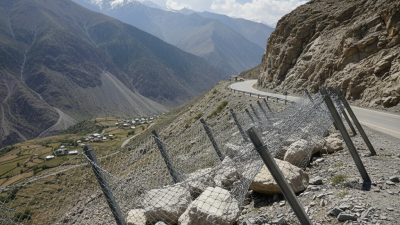
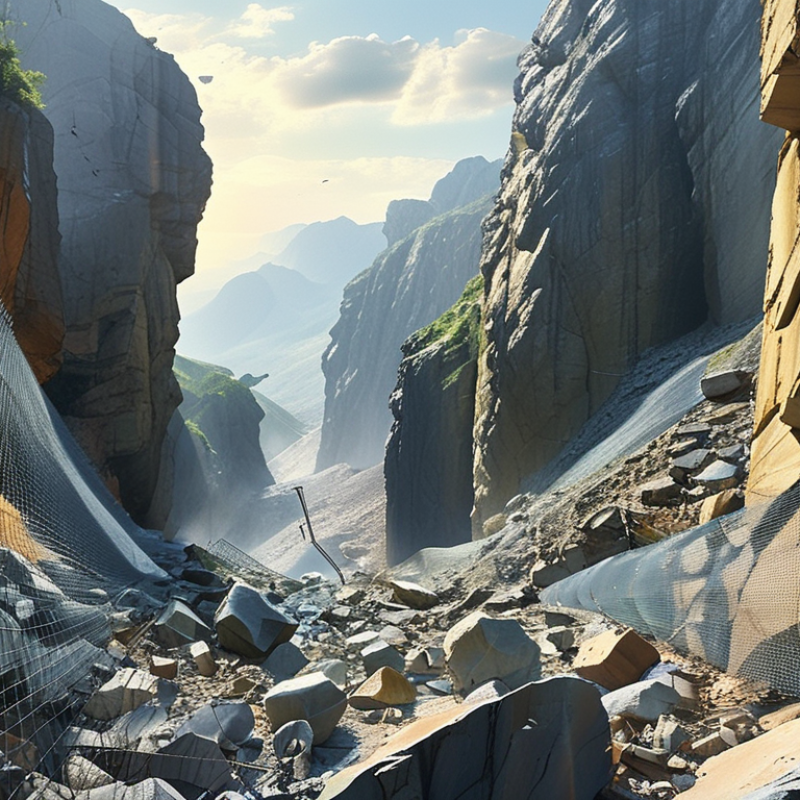
When choosing rockfall barrier netting, several types are available in the market. Each type offers different benefits based on specific needs. For instance, wire mesh netting provides a robust solution, effective for trapping smaller rock fragments. This mesh is often durable, able to withstand harsh weather conditions.
Another option is synthetic netting. This type is lightweight and can be easier to install. However, it may not provide the same level of protection against larger debris. Professionals often debate the effectiveness of synthetic options versus traditional materials.
Additionally, some barriers use a combination of materials. This can create a more versatile and adaptive safety solution. It is essential to analyze project requirements before making a choice. Weigh the pros and cons carefully. Not every solution fits all situations, and mistakes can occur if one doesn't assess the site accurately. Always prioritize safety and consult with experts when in doubt.
Key Factors to Consider When Selecting Rockfall Barrier Netting
When selecting rockfall barrier netting, several key factors must be evaluated. First, the terrain's geological characteristics should be assessed. A study shows that more than 70% of rockfalls occur on steep slopes. Understanding the slope angle, rock types, and soil compositions is essential for choosing the right barrier.
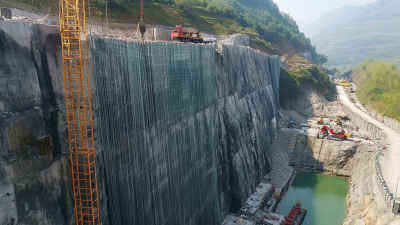
Next, consider the netting's material and design. The net must withstand significant forces during a rockfall. According to a recent industry report, high-tensile steel nets are most effective for slopes over 60 degrees. Additionally, impact resistance is crucial. Barriers can be tested under various conditions to determine their durability.
Lastly, maintenance factors cannot be overlooked. If left unchecked, netting can degrade over time due to weather or environmental conditions. Regular inspections can extend the barrier's lifespan significantly. However, this requires planning and resources, which can be challenging. Each choice involves a balance between safety, effectiveness, and cost. The decision may not be perfect, and ongoing monitoring is vital. Consider these aspects carefully when making your selection.
2026 How to Choose Rockfall Barrier Netting for Safety
Determining Site-Specific Requirements for Rockfall Netting
When selecting rockfall barrier netting, it’s essential to identify specific site requirements. The terrain slope, rock types, and historical rockfall events all play a critical role. Each area has unique challenges. For instance, steep slopes often require more robust netting systems to handle larger rocks. Understanding these factors can drastically improve safety outcomes.
Assessing environmental conditions is equally important. Factors like weather patterns and vegetation can affect rock stability. In some regions, heavy rainfall may lead to increased rock movement. Evaluating the site's soil composition can reveal potential weaknesses. Areas with loose soil can be more prone to rockfalls, necessitating a more comprehensive approach to netting installation.
Mindfully considering these site-specific elements ensures that the chosen rockfall netting meets safety standards. Engaging with engineering experts can provide valuable insights. Their experience and knowledge can direct you toward the most effective solutions. However, it's crucial to reflect on potential oversight. Every site has its risks, and overlooking minor details may have serious consequences. Thus, a thorough analysis is key to enhancing safety measures effectively.
Installation Guidelines for Effective Rockfall Barrier Systems
When installing rockfall barrier netting, proper guidelines are critical. Start by assessing the site conditions thoroughly. Understand the potential rockfall trajectory. Analyze slope angle and rock characteristics. This assessment will determine the type and strength of netting required.
Next, ensure correct anchoring of the nets. The anchors need to be deeply embedded. They must follow the manufacturer’s specifications. Improperly anchored nets can lead to failure during an event. Regular inspections of the anchors are necessary to maintain long-term stability.
Lastly, consider environmental factors. Weather conditions can affect installation and performance. It’s important to adapt your approach based on local climate. Reflect on past experiences to improve future projects. Acknowledge mistakes, learn, and refine your methods for better results.
2026 How to Choose Rockfall Barrier Netting for Safety? - Installation Guidelines for Effective Rockfall Barrier Systems
| Barrier Type |
Material |
Mesh Size |
Maximum Energy Absorption (kJ) |
Recommended Installation Height (m) |
Weight (kg/m²) |
| Flexible Netting |
High-Tensile Steel Wire |
100 mm |
1000 |
3.0 |
3.5 |
| Rigid Barrier |
Reinforced Concrete |
N/A |
2000 |
2.5 |
7.0 |
| Hybrid System |
Steel and Synthetic Materials |
50 mm |
1500 |
4.0 |
5.5 |
| Netting with Anchors |
Polyester Composite |
75 mm |
800 |
2.0 |
2.5 |
Maintenance Tips for Ensuring Long-Term Safety of Rockfall Barriers
When selecting rockfall barrier netting, maintenance is crucial for ensuring long-term safety. Regular inspections play a key role in identifying potential issues. A study from the Geotechnical Engineering Journal highlights that 30% of rockfall incidents arise from insufficient maintenance. This indicates the importance of a proactive approach.
Conducting monthly checks allows for early detection of wear and tear. Look for signs of fraying or corrosion. Irregularities in the barrier structure can lead to catastrophic failures. Additionally, vegetation growth can compromise the barrier's efficacy. Removing weeds and debris can improve performance, as noted by the International Rockfall Simulation Conference.
To enhance reliability, consider the specific environment. Weather conditions affect the durability of nets. In areas with heavy rainfall, choose materials resistant to corrosion. Remember, overlooking these details may lead to serious safety risks. Keeping detailed logs of maintenance activities also aids in adherence to safety standards. This practice helps in ensuring transparency and accountability over time.