What is Rockfall Barrier Netting and How Does It Work?
Rockfall Barrier Netting is an essential safety measure in mountainous regions. It prevents loose rocks from causing harm. According to Dr. Emily Thompson, a leading expert in geotechnical engineering, “Effective rockfall mitigation is crucial for protecting both lives and infrastructure.”
This method uses strong nets to catch falling rocks. The design is critical to its success. Each component must withstand heavy impacts. Operators should consider the terrain and climate when installing these nets. The cost can vary widely, affecting projects differently.
Despite its effectiveness, Rockfall Barrier Netting isn't foolproof. Regular maintenance is necessary to ensure performance. Some barriers may wear over time, leading to potential failures. It's vital to assess the netting periodically. Quality installation and upkeep can make a significant difference in safety.
What is Rockfall Barrier Netting?
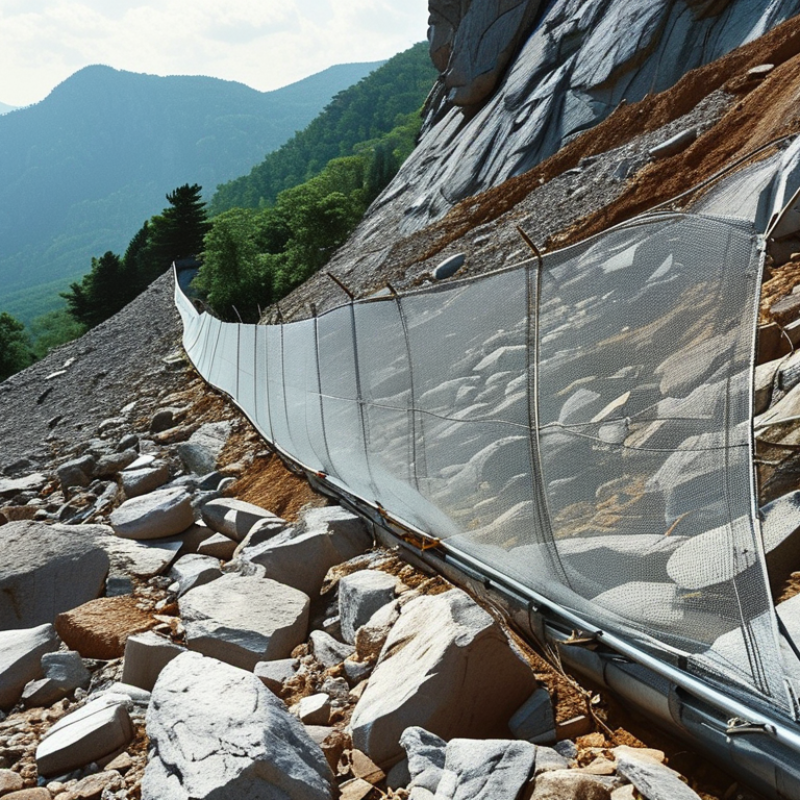
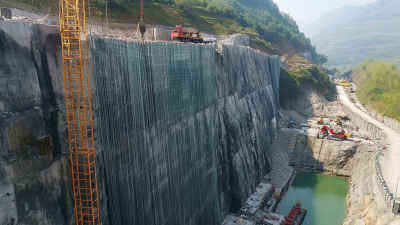
Rockfall barrier netting is designed to protect areas from falling rocks and debris. This specialized netting acts as a preventative measure in mountainous regions. It is engineered to absorb and dissipate the energy of loose rocks. Such structures help safeguard roads, buildings, and people living nearby.
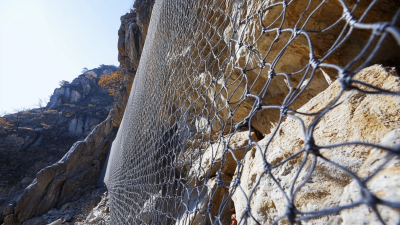
Typically, rockfall barrier netting comprises high-tensile strength materials. These materials allow the netting to withstand significant weight and impact. The installation often involves anchoring systems that secure the net to the slope. When rocks start to dislodge, the net catches them before they can cause harm. However, the effectiveness of these systems can vary based on site conditions.
Maintenance is crucial for rockfall barrier netting. Regular inspections help identify wear and potential problems. Over time, environmental factors can degrade the materials. This situation raises questions about the lifespan of the barrier. It is essential to address maintenance proactively. Ignoring it may lead to unexpected failures.
Principles of Rockfall Barrier Design
Rockfall barrier nets are an essential component in mitigating the risks associated with rockfalls in mountainous regions. The principles behind their design focus on energy absorption and tension distribution across the netting system. According to the European Union's Geotechnical Engineering report, well-designed barrier systems can reduce the impact of falling rocks by up to 90%. This significant reduction emphasizes the critical nature of precise engineering and material selection in barrier design.
Designing an effective rockfall barrier involves careful consideration of various factors. Slope angle, rock size, and material properties play crucial roles in determining the required barrier strength. For instance, a slope with a steep incline demands a different netting configuration compared to a gentler slope. Furthermore, load calculations must account for both static and dynamic forces, ensuring the net can withstand severe impact events. Reports from the International Society for Rock Mechanics suggest that approximately 40% of rockfall incidents occur due to inadequate barrier specifications.
Despite advancements in technology, challenges remain in barrier performance. Factors like weathering and maintenance can degrade system integrity over time. An effective monitoring plan is vital to maintain barrier effectiveness throughout its lifespan. Regular inspections and timely repairs are necessary to uphold safety standards, as even minor damage can lead to catastrophic failures.
Types of Rockfall Barrier Netting Materials
Rockfall barrier netting is designed to prevent rocks from falling onto roads and populated areas. The effectiveness of these systems largely depends on the materials used to create the nets. There are different types of materials suitable for rockfall barrier netting, each with unique properties and benefits.
Steel wire is one common material. It is strong, durable, and can withstand significant tension from falling rocks. Steel netting is often treated to resist corrosion, extending its lifespan. Another option is plastic mesh, which offers flexibility and lighter weight. This material is easier to install but may not provide the same strength as steel.
Geosynthetic fabric is also gaining attention in rockfall protection. This material is designed to absorb and dissipate energy from falling rocks. Its lightweight nature allows for easier installation in challenging terrains. However, it may require regular inspections to ensure its effectiveness. Each material comes with pros and cons, highlighting the need for careful consideration in choosing the right type for specific applications.
What is Rockfall Barrier Netting and How Does It Work?
| Material Type |
Tensile Strength (kN/m) |
Weight (kg/m²) |
Life Expectancy (Years) |
Applications |
| Steel Wire |
80 |
2.0 |
30 |
High risk areas, highways |
| Polyester |
50 |
1.5 |
20 |
Lower risk slopes, environmentally sensitive areas |
| Polypropylene |
40 |
1.2 |
15 |
Light-duty applications, temporary barriers |
| Galvanized Steel |
90 |
2.5 |
25 |
High-traffic areas, severe weather conditions |
| Stainless Steel |
100 |
3.0 |
40 |
Long-term solutions, critical infrastructure |
Installation Processes for Rockfall Barriers
Installing rockfall barrier netting is a meticulous process that requires careful planning and execution. The area must be assessed for potential rockfall risks before installation begins. Engineers analyze the terrain and determine the best locations for barriers. This step is crucial in ensuring that the barriers are effective in intercepting falling rocks.
Once the site is prepared, installation starts with anchoring systems. These systems secure the netting to the landscape, providing stability. Professionals often use heavy machinery to assist in placing these anchors. Maintaining safety during this phase is critical, as it can be dangerous.
The netting is then stretched across the designated area, with careful attention paid to tension. Adequate tension is essential for the net to absorb impacts effectively.
Regular inspections and maintenance follow installation. Over time, the netting can wear or become obstructed by debris. Identifying these issues early on can improve barrier performance. There is always room for improvement in installation techniques based on previous experiences. Each site presents unique challenges, and learning from each project is vital for progress in rockfall mitigation.
Applications and Effectiveness of Rockfall Barriers
Rockfall barrier netting serves a critical role in preventing rockfalls in mountainous and hilly areas. These systems have been in use for decades and are designed to absorb and dissipate the energy of falling rocks. According to a report from the International Society for Rock Mechanics, these barriers can effectively reduce rockfall risks by up to 90%. This high level of efficiency makes them essential in protecting infrastructure, roadways, and human life.
The applications of rockfall barriers are diverse. They are commonly deployed in areas with steep slopes, particularly near highways and railways. A study from the Geological Society highlighted their effectiveness in shielding these transport routes from potential rockslides. In addition, researchers have emphasized the importance of proper installation and maintenance. Without these, the barriers may not provide the full extent of their protective benefits. Proper analysis of local geology is vital for optimal barrier placement, as miscalculations can lead to catastrophic outcomes.
Effectiveness can vary based on several factors, including the type of rock, slope angle, and environmental conditions. Recent surveys indicate that some installations may encounter issues like deterioration from weather elements, leading to decreased performance. Continuous monitoring and adaptive management are necessary to ensure these systems remain effective over time. Acknowledging these challenges helps to advance the construction and design of future barriers.