2026 Top Rockfall Barrier Netting Solutions for Global Buyers
Rockfall Barrier Netting is critical for protecting infrastructure and lives from falling rocks. As mountainous regions become more developed, the risk of rockfalls increases. Therefore, understanding the best solutions is essential for global buyers.
In 2026, advancements in rockfall mitigation technology are set to revolutionize the industry. These solutions prioritize safety and efficiency. Key features of top rockfall barrier netting include durability, ease of installation, and environmental adaptability. Buyers must consider their specific needs and conditions when selecting the right products.
The right rockfall barrier netting can prevent damage and save lives. Still, not all options are equally effective. Evaluating product specifications and real-world performance data is vital. The market offers various choices, but cautious assessment is necessary to ensure reliability.
Overview of Rockfall Barriers and Their Importance
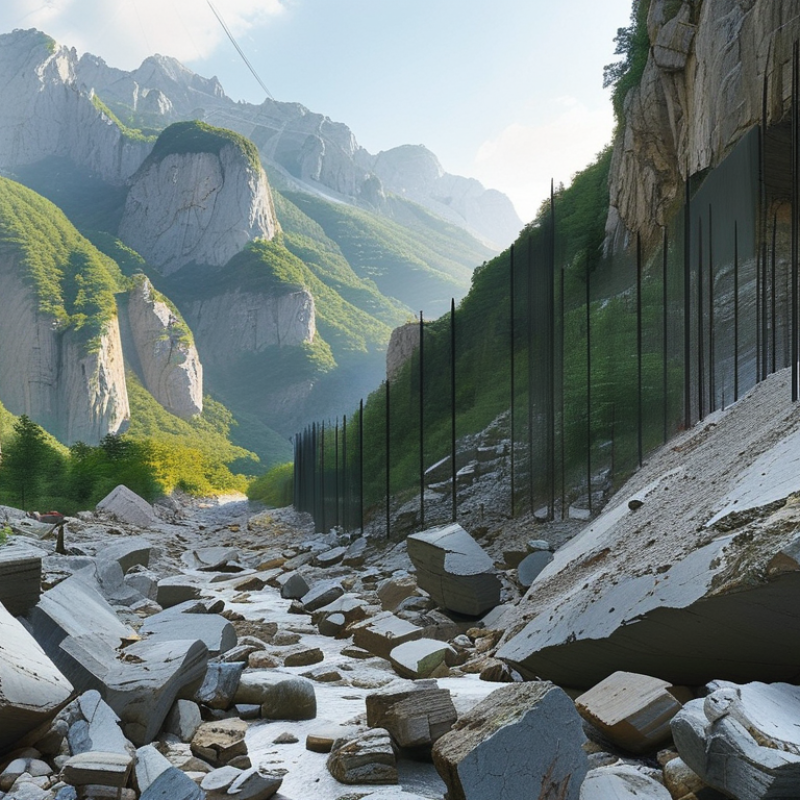
Rockfall barriers are critical in protecting infrastructure and human lives from falling debris. These structures are designed to absorb and deflect rocks that may cascade down steep slopes. Their importance cannot be overstated, especially in mountainous regions. In the event of a landslide, these barriers act as a first line of defense. They can reduce the impact of falling rocks by containing the debris within a designated area.
Engineered with durable materials, rockfall barriers come in various designs. Each design is tailored for specific geological conditions. Some barriers may be more effective in steep terrain, while others focus on broader rockfall events. Evaluating the terrain and potential risk is essential. This ensures the right barrier system is implemented.
Despite advancements, challenges remain. Some areas still experience failure from extreme weather conditions or geological shifts. Continuous monitoring is necessary to assess the integrity of installed barriers. Regular maintenance can prevent unexpected accidents. It's vital for engineers and safety experts to reflect on past failures. This helps improve future designs and ensures greater safety.
Types of Rockfall Barrier Netting Solutions Available in 2026
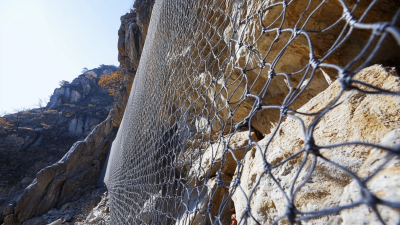
In 2026, various types of rockfall barrier netting solutions are set to enhance hillside safety across the globe. These systems are crucial in areas prone to rockfalls. Their design and materials matter a lot. Metal mesh is common, known for durability. Synthetic nets offer lightweight options. Each type has pros and cons.
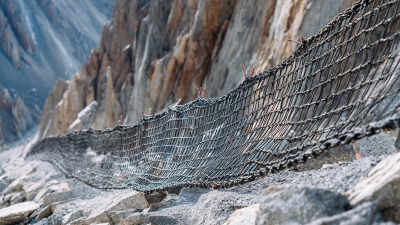
Chain link designs are also popular. They can withstand heavy impacts but may require additional supports. On the other side, flexible netting can absorb energy shock well. But, they may not last as long under harsh weather conditions. Maintenance becomes a critical factor here.
Considerations for installation are needed. The terrain influences the choice of netting. Installation techniques vary based on location specifics. Every solution comes with its challenges. Engaging certified professionals is essential for durability. It’s vital to invest in training for teams responsible for installation and maintenance. This ensures effectiveness while managing costs and risks.
2026 Top Rockfall Barrier Netting Solutions Analysis
Key Features to Consider When Selecting Rockfall Barrier Netting
When choosing rockfall barrier netting, several critical features influence effectiveness. One essential factor is tensile strength. Studies indicate that netting with a minimum tensile strength of 100 kN/m is vital for withstanding projectile impacts. This strength helps maximize durability in challenging terrains.
Another key aspect is mesh size. Smaller mesh openings provide better retention of smaller rock fragments. However, a balance must be struck between mesh size and water drainage. A mesh size of 10–20 cm is generally recommended for optimal rock and water management. Effective drainage can prevent water accumulation, which can lead to net failure.
Weight and installation ease are also worthy of consideration. A lightweight netting system simplifies installation and can enhance safety. The installation process should not be overlooked, as improper setup compromises overall performance. Moreover, the choice of materials, like high-density polyethylene or steel, affects longevity and environmental performance. Ultimately, selecting the right netting solution requires careful evaluation of these features to ensure reliability and safety in rockfall-prone areas.
Top Global Manufacturers and Their Innovative Offerings
As the demand for effective rockfall barrier netting solutions grows, global manufacturers are stepping up with innovative offerings.
These barriers are designed to prevent falling rocks from causing damage to infrastructure and ensuring the safety of people in vulnerable areas.
Some manufacturers focus on developing stronger, more durable materials that can withstand harsh environmental conditions.
Innovative approaches are crucial in this competitive market. Many manufacturers are experimenting with new designs that enhance both stability and effectiveness. For instance, they are using advanced technology to improve the mesh patterns.
These changes can significantly increase the barrier's ability to absorb impact while reducing maintenance needs.
However, implementing these innovations requires a balance between cost and performance.
Some companies face challenges in scaling their production to meet global demand. This has led to concerns about product availability and consistent quality.
While many manufacturers are adopting sustainability practices, it remains essential for them to ensure that these improvements do not compromise safety standards.
The ongoing evolution in rockfall barrier technology reflects the industry's commitment to addressing real-world problems through thoughtful innovation.
Application Areas and Case Studies of Effective Rockfall Barriers
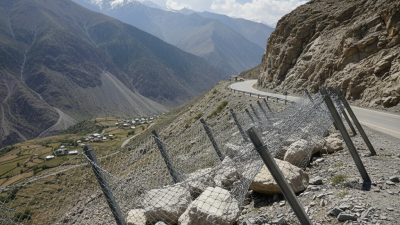
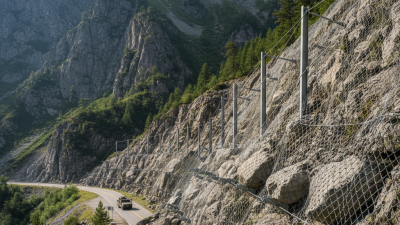
Rockfall barriers play a crucial role in ensuring safety in mountainous regions. These barriers are designed to absorb and deflect falling rocks. Their effectiveness is often demonstrated in case studies across various application areas. For instance, in steep terrain near highways, barriers prevent rock debris from causing accidents. They protect both vehicles and pedestrians from potential hazards.
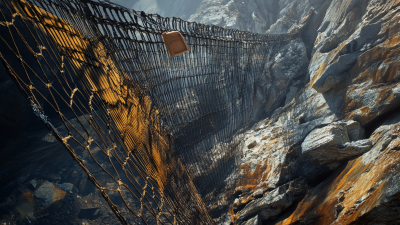
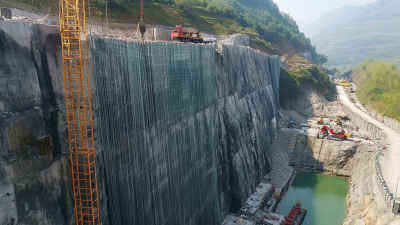
In mining areas, robust netting solutions have proven invaluable. They mitigate risks associated with loose rock formations. Installing these barriers requires precise engineering and a deep understanding of local geology. Even with advanced technology, failures can occur, leading to significant injuries or property damage. It's essential to learn from such incidents to improve designs continuously.
Community involvement is vital for effective implementation. Local stakeholders must understand the barriers' roles. Their feedback can guide improvements, fostering a safer environment. Each installation is a learning opportunity, highlighting the importance of adaptability in design and execution. Even the best solutions demand ongoing assessment to achieve lasting safety.