Sichuan Lanfan Transport Construction Co., Ltd. specializes in the production of various metal mesh fences.
Leave Your Message

2026 Top Square Defensive Bastion Barrier Types for Buyers

Choosing a Square Defensive Bastion Barrier is not just a matter of comparing prices or wall height. Buyers need to match the barrier’s footprint, cell layout, and fill material to the site and its intended use. A compact square unit may suit a narrow perimeter, while a larger modular arrangement can cover broader ground. Details matter.

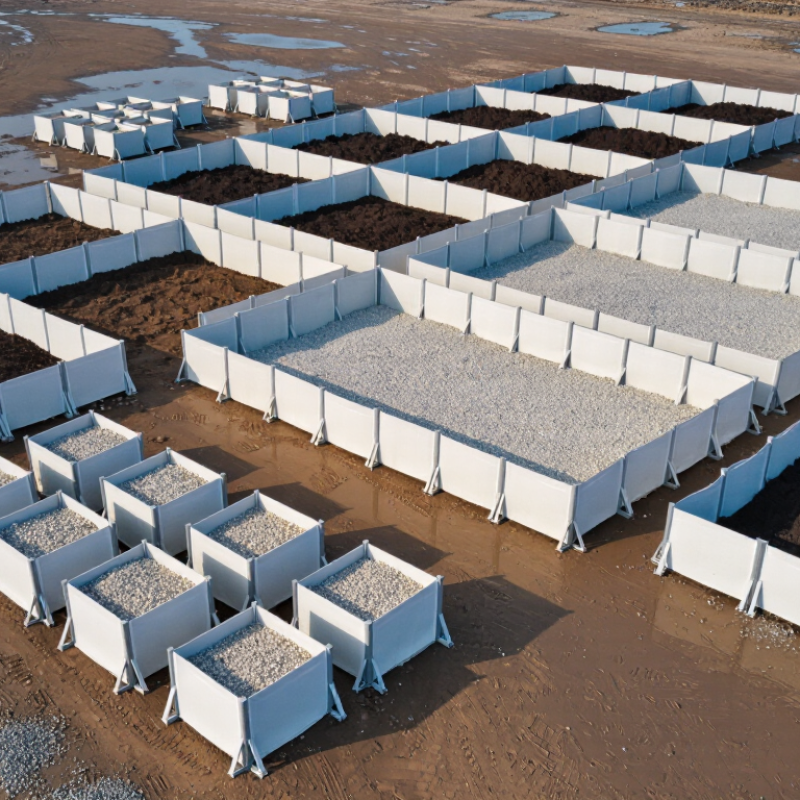
This 2026 guide compares common types and the practical trade-offs behind them. It looks at dimensions, connector design, fabric durability, transport, installation, and the quality of available product documentation. A pale, gravel-filled unit may behave differently from one packed with damp soil. Check the specifications, not just the product photo. Ask how the supplier defines capacity and what inspection support is available.

A sourcing note: no verifiable expert quotation was supplied, so the following is an illustrative line from a fictional composite field engineer, Dana Cole—not a real or independently verified industry expert: “Choose the barrier for the ground you have, not the ground you wish you had.” It is a plain reminder, and perhaps too plain. Still, buyers can overlook drainage, uneven surfaces, or access for delivery when comparing types. This guide aims to make those questions visible before a purchase decision, while recognizing that site conditions vary and product claims should be checked against technical data.
2026 Top Square Defensive Bastion Barrier Types for Buyers

What Square Defensive Bastion Barriers Are and How They Work

A square defensive bastion barrier is a modular enclosure with a roughly square footprint, made from connected wire mesh panels and a durable fabric liner. The empty unit is light enough to position with suitable equipment. It is then filled with soil, sand, or another specified material.

The fill provides most of the barrier’s weight and resistance. In practice, the finished structure looks like a compact, fabric-faced block rather than a solid wall.

The panels hold the fill in place, while the liner helps limit loss through the mesh. Units can be joined side by side or stacked when their design allows it. Placement matters. A firm, level base reduces uneven settling, and filling each section in controlled layers helps prevent bulging.

Water movement deserves attention too; trapped runoff can weaken the ground below or around a barrier. These details vary with the unit and site, so manufacturer specifications and qualified site advice should guide installation. It is easy to focus on the barrier itself and overlook the soil beneath it. That can be a costly oversight. Regular checks for sagging, torn fabric, loose connections, and washout help identify problems early, though no barrier removes every site risk.
Key Barrier Types Available to Buyers in 2026

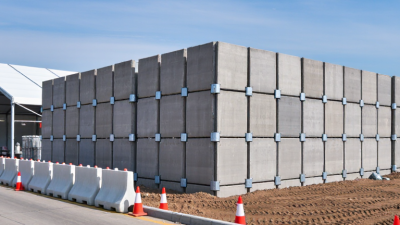
For buyers comparing square defensive bastion barriers in 2026, the main options are standard modular cells, taller high-volume units, low-profile sections, and mesh gabions with fabric liners. Standard cells suit flexible layouts around equipment or temporary work areas. Taller units hold more fill, but need suitable ground and careful placement. Low-profile sections are easier to move, though they offer less height. Mesh gabions allow stones or aggregate as fill; they can be practical where local material is available. Check connector design, liner strength, fill volume, and whether replacement parts are accessible.

Demand deserves context, not hype. NOAA’s 2023 U.S. Billion-Dollar Weather and Climate Disasters report recorded 28 events and estimated $92.9 billion in losses. Those figures are not proof that any barrier type will perform well. They do underline why buyers should match barriers to the actual hazard, site conditions, and maintenance plan. USACE flood-fighting guidance can help inform temporary flood-barrier planning, but a catalog specification alone cannot confirm site suitability. I would not treat a tidy product sheet as a substitute for a ground and drainage check.

Tips: Measure the footprint first. Confirm soil bearing and access for filling equipment. Ask for test documentation, installation limits, and inspection guidance. Keep spare connectors and liners nearby; small failures matter. Fit matters.

2026 Top Square Defensive Bastion Barrier Types for Buyers — Key Barrier Types Available to Buyers in 2026
Barrier type Typical construction Common configuration Suitable fill Typical applications Buyer checks
Galvanized welded-mesh bastion Welded steel mesh panels connected into expandable cells, commonly with a nonwoven geotextile liner. Modular rectangular cells; available in multiple heights, widths, and lengths depending on the system. Earth, sand, gravel, or other suitable locally available granular material. Perimeter protection, temporary barriers, screening, and erosion-control works. Check wire coating, weld quality, connector strength, liner fabric properties, and stated dimensions.
Heavy-duty galvanized bastion A reinforced welded-mesh design with robust connectors and a durable fabric liner, intended for demanding service. Often supplied as larger or higher-capacity modules; exact dimensions are product-specific. Well-graded soil or gravel; fill should be compatible with the liner and site conditions. Longer-term installations, exposed sites, and applications requiring a substantial filled barrier. Verify corrosion protection, design loads, installation instructions, and any applicable test documentation.
Polymer-coated mesh bastion Steel mesh with a polymer coating over the metallic corrosion-protection layer; commonly paired with a geotextile liner. Expandable rectangular cells in a range of modular sizes. Earth, sand, or gravel selected for the required stability and drainage. Sites where added coating protection may be useful, including humid or corrosive environments. Ask for coating specifications, cut-edge protection details, UV suitability, and maintenance guidance.
Compact or low-profile bastion A lower-capacity modular mesh-and-liner unit designed for smaller barriers or restricted spaces. Shorter and lower modules than high-wall configurations; dimensions vary by supplier. Locally available soil or sand, provided it can be safely contained by the liner. Low barriers, temporary site separation, and smaller-scale protective or landscaping works. Confirm finished height after filling, footprint, stability requirements, and intended-use limitations.
High-wall or large-capacity bastion Multiple connected mesh cells or taller modules with a geotextile liner and a larger fill volume. Tall or deep configurations; may require a prepared base and staged filling. Suitable soil or gravel placed in controlled lifts, following the system installation guidance. High screening walls, substantial site barriers, and applications requiring greater mass or height. Review foundation needs, filled weight, equipment access, drainage, and safe installation procedures.
Corner and return configuration Standard modular bastion units arranged or supplied with compatible connections to form corners and returns. L-shaped, T-shaped, or angled layouts assembled from compatible modules. The same suitable fill used for the adjoining barrier sections. Enclosures, perimeter turns, and changes in barrier direction. Confirm connector compatibility, corner layout drawings, and how adjoining cells are restrained.
Erosion-control bastion configuration Mesh-supported modular cells with a permeable geotextile selected to retain soil while allowing water movement. Low or stepped arrangements adapted to the slope and drainage plan. Appropriate soil or granular fill; filter compatibility should be considered for the site sediment. Temporary slope support, channel-side works, and soil-retention applications where suitable by design. Check geotextile permeability and filtration properties, drainage details, and whether engineering review is needed.
Dimensions, materials, performance, and permitted uses vary by product and jurisdiction. Buyers should compare current technical datasheets and obtain qualified engineering advice where structural, safety, or site-specific requirements apply.

Materials, Dimensions, and Protection Levels Compared

Square defensive bastion barriers generally use welded steel mesh with a nonwoven geotextile liner, then rely on local soil or sand for mass. Compact modules around 0.6 metres high and deep, and 1.2 metres long, suit short runs or restricted sites. Larger units near 1 metre high and deep, and 10 metres long, build broader perimeter walls faster. These are common configurations, not universal specifications; verify filled dimensions and connection details. ASTM D6637/D6637M specifies tensile testing for geogrids, but mesh strength alone does not establish a barrier’s protection level.

Protection depends on the threat, fill, ground conditions, wall height, and installation quality. A compact unit may resist fragments or weather exposure, while a taller, layered wall can provide greater mass; neither description is a tested rating. The U.S. Army Corps of Engineers’ EM 1110-2-2502 explains why earth pressure, drainage, and foundation stability matter in retaining-wall design. Ask suppliers for threat-specific test reports, fill requirements, and limits on stacking. Check whether the stated dimensions are empty or filled. That detail matters. A neat catalog comparison can still mislead: uneven compaction, soft ground, or trapped water may weaken real-world performance.

How to Match Barrier Types to Site Requirements

Match the barrier to the ground, access, and expected service period—not just its height. Modular mesh bastion barriers suit sites where crews can place local fill and where truck access is reliable. Check the soil, drainage, and available space before installation. Wet or loose ground can affect stability, even when the barrier looks substantial. Access matters.

For short deployments, lightweight panel systems may be easier to move and reposition. They need a suitable base and secure connections, especially on uneven ground. Water-filled units can be practical where fill material is scarce, but water access, freezing conditions, and handling weight deserve attention. Compare setup time with removal effort. The cheaper option is not always the easier one.

Measure the full footprint, including room for inspection and maintenance. Note nearby slopes, runoff paths, vehicle routes, and the distance to replacement materials. One detail buyers sometimes overlook is how a barrier behaves after repeated weather exposure. Fabric can wear, and connections may loosen. A site-specific assessment should confirm loading and stability requirements before purchase. No single type fits every location; some choices only become clear after a careful walk-through.

Buying, Deployment, and Maintenance Considerations

Buyers comparing square defensive bastion barriers should look beyond height and footprint. Modular mesh cells with fabric liners are quick to assemble, while rigid gabion-style units may suit sites where shape retention matters. Check cell dimensions, mesh strength, liner material, corrosion protection, and the supplier’s stated fill requirements. Ask how units connect and whether replacement panels are available. Small details matter.

Before ordering, measure access routes and the space needed for unloading. Confirm that local soil or aggregate can fill the cells; imported fill can add cost and delay. During deployment, place barriers on a stable, reasonably level base and follow the manufacturer’s assembly guidance. Keep seams aligned and connections secure. In practice, fill quality is often less uniform than the plan suggests. A small trial section can reveal settling or handling problems early.

Maintenance starts with routine visual checks, especially after heavy rain, freeze-thaw cycles, or vehicle movement nearby. Look for torn liners, exposed or bent mesh, loose connectors, erosion, and uneven settling. Clear blocked drainage paths, and repair damaged sections with compatible parts rather than improvised patches. Record inspections with dates and photographs. For unusual loads or unstable ground, obtain site-specific engineering advice; a barrier that appears sound can still shift beneath the surface.