2026 How to Build a Square Defensive Bastion Barrier for Maximum Protection?
In a world where safety is paramount, the construction of a Square Defensive Bastion Barrier offers vital protection. This structure is designed to withstand various threats while providing a secure environment. Understanding the significance of robust defensive architecture is crucial for any security-conscious individual.
Building a Square Defensive Bastion Barrier requires careful planning and execution. Each dimension must be precisely calculated to maximize strength and effectiveness. Materials play a key role, with the choice often impacting overall durability. Ignoring essential details can lead to vulnerabilities that attackers may exploit.
Successful implementation demands expertise and experience. It’s not just about erecting walls; it's about creating a reliable defense system. Reflection on previous projects can highlight common pitfalls. Continuous learning is vital in the ever-evolving landscape of security. The right decisions can make all the difference in ensuring safety.
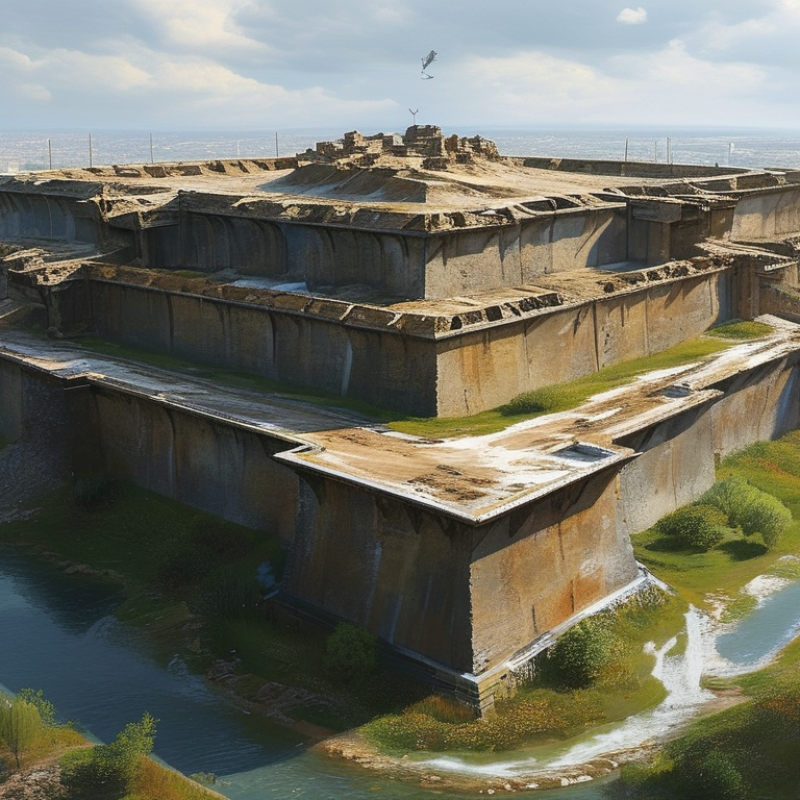
Materials Needed for Constructing a Square Defensive Bastion Barrier
Building a square defensive bastion barrier requires careful selection of materials. The integrity of your barrier relies on sturdy choices. Common materials include reinforced concrete, heavy timber, and steel plating. Each option has its strengths and weaknesses. Concrete offers durability but may crack under pressure. Timber is lightweight but can rot if not treated properly. Steel provides strength but is costly.
Consider the environment when selecting your materials. If moisture is high, protective coatings are essential. You may also need heavy-duty tools for assembly. Standard tools won't suffice. Creating fortified corners is vital for stability. Often, builders overlook this detail. A secure corner can bear greater loads.
During construction, expect challenges. Fluctuating weather conditions might delay progress. Regular inspections help identify weaknesses. Sometimes, adjustments will be necessary. The design must allow for modifications, ensuring longevity. Building a defensive bastion isn’t just about initial construction; it’s also about ongoing management and improvement.
2026 How to Build a Square Defensive Bastion Barrier for Maximum Protection?
| Material |
Description |
Dimensions |
Quantity |
| Concrete Blocks |
Durable and strong, used for main structure |
40x20x20 cm |
150 |
| Steel Reinforcement Bars |
Used to strengthen the concrete |
12 mm diameter |
200 m |
| Barbed Wire |
Enhances security and deters intruders |
1.5 m rolls |
10 rolls |
| Sandbags |
Used for additional protection |
Standard size |
100 |
| Geotextile Fabric |
Used to separate soil and mitigate erosion |
2 m x 30 m |
5 rolls |
| Wooden Planks |
Used for creating barriers and supports |
2.5 m x 20 cm |
50 |
Step-by-Step Guide to Designing the Bastion's Layout and Dimensions
When planning a square defensive bastion barrier, layout and dimensions are critical. Start by selecting a strategic location. The area should provide natural cover and a clear line of sight. The structure's dimensions depend on the intended purpose but often measure between 50 to 100 feet on each side. Secure areas around the bastion to ensure a defensive advantage against potential threats.
Make sure to incorporate thick walls, ideally at least 10 feet. This adds to the strength and resilience of the barrier. Use a mix of materials, such as concrete and steel, to enhance durability. A well-planned bastion should also feature observation posts for monitoring surroundings.
**Tip:** Consider including natural barriers like trees or hills. They can significantly improve your defense.
Building a bastion requires careful thinking. Mistakes in measurements can compromise its effectiveness. Regularly reassess your design to ensure it meets security needs. Adjustments might be required as landscapes change or threats evolve.
**Tip:** Document your design process. It helps identify and rectify flaws.
Material Strength Comparison for Bastion Construction
Essential Construction Techniques for Stability and Durability
When constructing a square defensive bastion barrier, stability and durability are paramount. Research indicates that properly selected materials and precise techniques can enhance overall effectiveness. For example, reinforced concrete offers strength and resilience while its thickness directly impacts the barrier's longevity. Industry experts suggest using a minimum thickness of 10 inches for adequate protection.
Incorporating drainage systems into the design can mitigate water damage, a common pitfall in barrier construction. According to the American Society of Civil Engineers, improper drainage can lead to structural failure in up to 30% of barrier projects. Engineers recommend installing proper slopes and using permeable materials to allow for water flow.
Building a bastion requires a mindset of continuous improvement. Regular assessments can uncover unforeseen vulnerabilities. For instance, fluctuations in soil quality over time may impact stability. It is vital to evaluate both environmental conditions and material integrity throughout the lifespan of the structure. Failing to do so can compromise security and lead to costly repairs.
Integrating Defensive Features: Walls, Entrances, and Observation Points
When building a square defensive bastion barrier, consider the critical elements: walls, entrances, and observation points. The walls should be sturdy and tall enough to deter intruders. Reinforced concrete or stone can provide a strong foundation. Keep access points limited. This helps maintain control over who enters and exits the area.
Observe your surroundings. Position observation points for maximum visibility. High vantage locations improve surveillance capabilities. They can be simple towers or taller structures integrated into your walls. Make sure they are equipped to monitor approaching threats effectively.
Tip: Regularly assess the condition of your walls. Cracks or weaknesses may develop over time. A timely inspection prevents larger issues. Also, reinforce entrances with heavy doors. They act as a deterrent and provide extra security. Experiment with various designs to find the right fit for your needs. Adjustments can lead to better protection overall. Each bastion should be unique and reflect its environment.
Final Touches: Camouflage and Enhancements for Optimal Protection
Creating a square defensive bastion barrier requires careful planning. The final touches greatly enhance its effectiveness. Camouflage is essential for blending in with surroundings. Use natural materials such as leaves and branches. Painting the structure in earthy tones helps it merge into the landscape. This reduces visibility to potential threats.
For optimal protection, consider additional enhancements. Reinforcing walls with thick brush creates extra coverage. Add noise-dampening elements to minimize sound. Backing the barrier with certain textures reduces vibration transmission. Check for weak points regularly. Reflect on areas needing improvement. It's crucial to adapt to changing environments for continuous effectiveness. Accessing reliable information can aid in making these adjustments.