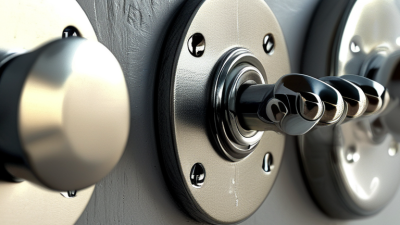
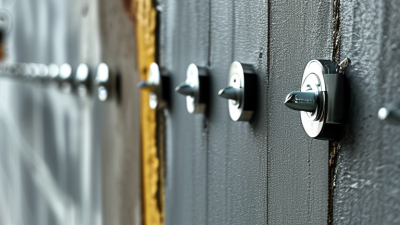
Choosing reliable 316 Wall Spikes requires more than comparing prices and product photographs. Global buyers need evidence of material quality, manufacturing control, and installation suitability. The top manufacturers should provide clear 316 stainless steel specifications, corrosion-resistance details, dimensional drawings, and consistent batch records. Coastal projects deserve special attention. Salt air can expose weak welds, poor passivation, and unsuitable fixing hardware within months.
C. Ray Jeffery, the criminologist associated with Crime Prevention Through Environmental Design, wrote, “The proper design and effective use of the built environment can lead to a reduction in the incidence and fear of crime, and an improvement in the quality of life.” This principle remains useful when assessing wall-top security products. Effective 316 Wall Spikes should support lawful perimeter protection without creating careless risks for residents, workers, or visitors. Buyers should examine spike spacing, base-plate strength, drainage paths, mounting methods, and maintenance requirements. Supplier transparency matters.
This guide compares ten manufacturers serving international buyers. It considers production experience, export capability, quality systems, customization, packaging, warranty support, and documented compliance. It also looks beyond polished websites. Factory communication can be slow. Product data may be incomplete. Some claims require independent verification. That is worth admitting.
A suitable manufacturer should explain how its 316 alloy is sourced, finished, inspected, and protected during shipment. It should also recommend installation methods for masonry, concrete, and metal walls. No single supplier fits every property. Careful evaluation still reduces expensive mistakes and helps buyers choose durable, proportionate, and responsibly installed security solutions.
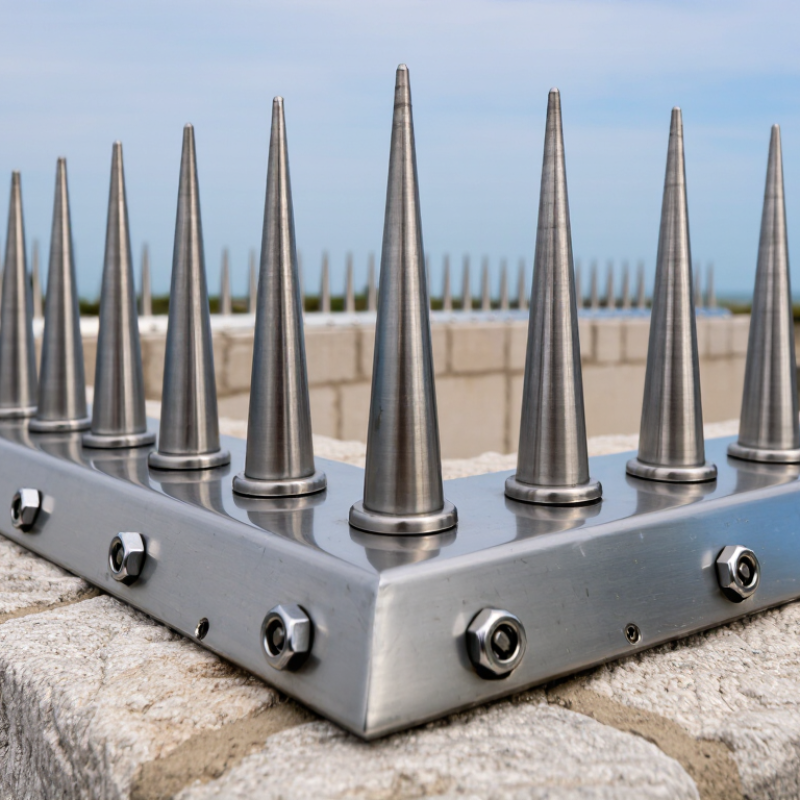
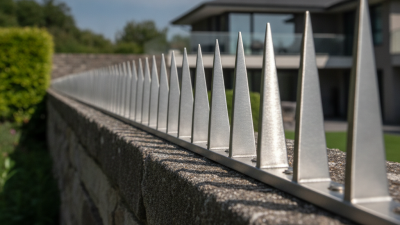
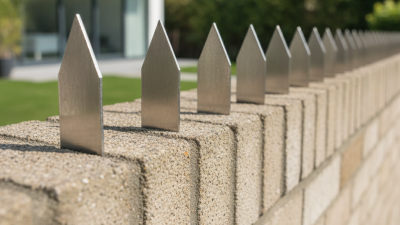
316 stainless steel wall spikes are anti-climb barriers fixed along walls, fences, gates, and utility enclosures. They create a visible physical deterrent without relying on electrical systems. The material is an austenitic stainless steel alloy containing chromium, nickel, and molybdenum. ASTM A240/A240M lists molybdenum at approximately 2–3% for Grade 316. This improves resistance to chloride exposure from coastal air, de-icing salt, and industrial moisture.
Their value is practical. A properly installed spike strip can protect warehouse boundaries, residential walls, and restricted service areas. However, 316 is not corrosion-proof. Poor drainage, trapped dirt, and incompatible fasteners can still produce staining or localized corrosion. World Stainless reported global stainless crude steel production of about 58.4 million tonnes in 2023. That scale reflects broad industrial confidence, but product quality still depends on alloy verification, forming, and installation. A cheap spike can fail at the fixing point.
Tips: Confirm the material certificate before purchase. Check whether the spikes meet ASTM A240/A240M requirements. Use compatible 316 fixings where salt exposure is expected. Leave no water-trapping gaps behind the base. Inspect welds, edges, and anchors twice yearly. Coastal sites may need more frequent cleaning. Review local safety and property rules before installation. It is easy to overestimate durability. Maintenance remains necessary.
When evaluating global 316 wall spike manufacturers, begin with material evidence, not attractive product photos. Ask for mill certificates confirming 316 or 316L stainless steel. Request independent PMI testing when the project faces coastal air, moisture, or cleaning chemicals. A dependable manufacturer should explain the steel grade clearly. Vague answers deserve caution.
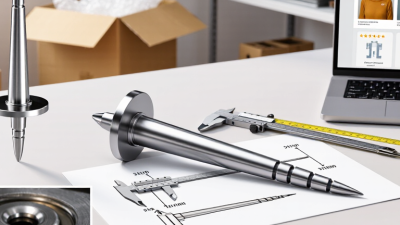
Inspect the spike design in detail. Check the base thickness, spike height, hole spacing, edge finishing, and weld consistency. Uneven weld beads may collect water and weaken over time. Ask for dimensional drawings before approving samples. I have found small hole errors can complicate installation across long wall sections. Sample testing matters. One sample is not enough. Compare several pieces from different production batches.
Review the factory’s quality system, production capacity, and export experience. Request inspection records, packaging photos, and a realistic lead-time schedule. Confirm whether the supplier can provide corrosion testing, load information, and traceable batch numbers. Documentation should match the actual goods. That point is often overlooked. Also examine packaging: sharp stainless components need separators, protective film, and strong cartons. Check communication during the quotation stage. Delayed replies may become larger problems after payment. A capable partner should discuss installation conditions, local standards, and safe handling without making exaggerated claims. I would still keep a written inspection plan, because trust alone is not a quality-control method.
Use this material-composition benchmark when evaluating global wall spike manufacturers. The values represent ASTM A240 Type 316 stainless steel requirements by weight percentage: chromium, nickel, and molybdenum have specified ranges, while carbon, manganese, silicon, phosphorus, and sulfur have maximum limits. Request mill certificates or independent laboratory test reports to verify compliance.
Comparing the Top 10 316 Stainless Steel Wall Spikes Manufacturers requires more than checking catalog prices. Material verification matters. Reliable manufacturers provide mill certificates, corrosion test data, and clear alloy specifications. Grade 316 stainless steel performs well near coastal air, industrial moisture, and frequent rainfall. However, a label alone proves little.
The strongest manufacturers show consistent spike dimensions, clean welds, and smooth mounting bases. Their products should resist bending during installation and avoid sharp manufacturing burrs. I would also compare base-plate thickness, hole spacing, finish quality, packaging, and replacement support.
Some suppliers offer polished surfaces, while others focus on brushed finishes and lower maintenance. Custom lengths can help with uneven walls, but poor tolerances may create installation gaps.
From practical purchasing experience, dependable communication is a major difference. Manufacturers that answer technical questions clearly usually handle quality issues better. Ask for samples before placing a large order.
A small sample can reveal weak welds, uneven points, or staining after exposure. The comparison is not perfect, because factory data may vary by batch.
Some published claims also need independent checking. Buyers should confirm local installation rules and use these products only for lawful perimeter protection. Cost matters, but cheap spikes can bring higher labor, replacement, and inspection expenses.
When comparing the top ten manufacturers, global buyers should inspect more than polished product photos. Product quality starts with verified 316 stainless steel, consistent wall thickness, and clean welds. A reliable supplier should provide material test reports, salt-spray results, and dimensional drawings. Edges must be formed carefully, not left jagged after cutting. Check the base plate, too. Weak holes or uneven bends can complicate installation.
Customization separates experienced factories from simple trading sources. Capable manufacturers can adjust spike length, base width, hole spacing, finish, and packaging. They may also support laser marking or project-specific drawings. Ask for a physical sample before approving a large order. It reveals fit, surface consistency, and handling risks better than a catalog. Small details matter.
Certifications need careful review. ISO 9001 can indicate controlled production processes, but it does not prove every batch meets 316 requirements. Request certificates from recognized laboratories and confirm their scope, date, and matching product model. Export documents should align with the destination market’s building and safety rules. Some suppliers present generic certificates. That should prompt questions. Buyers should compare warranty terms, inspection records, and replacement procedures. A manufacturer may appear strong on paper yet respond slowly when defects occur. I would also examine feedback from comparable projects, while admitting that online reviews can be incomplete.
Selecting the right 316 wall spikes manufacturer requires more than comparing online prices. Global buyers should verify the actual stainless steel grade through material certificates and independent testing. “316” should not be accepted as a printed label alone. Ask for certificates, batch numbers, and traceable production records.
Review the manufacturer’s engineering experience carefully. Request drawings showing spike length, base thickness, hole spacing, edge treatment, and drainage details. Samples reveal practical issues that photographs hide, such as sharp burrs, weak welds, or uneven polishing. Check whether the factory performs dimensional inspection, salt-spray testing, and packaging checks. Results should be documented, not simply promised.
Source from manufacturers that communicate clearly about minimum order quantities, tooling costs, lead times, and export documents. A reliable supplier should explain payment terms and delivery responsibilities without vague wording. Confirm carton strength, labeling, pallet loading, and replacement procedures before placing a large order. Small pilot shipments are safer than immediate bulk purchasing.
Cost still matters. However, an unusually low quote may reflect thinner material, mixed-grade steel, or limited quality control. That risk is easy to underestimate. I would also compare two or three samples under the same conditions, because one attractive sample proves little. No checklist is perfect. Buyers should record every assumption and revisit it before signing the purchase agreement.
| Rank | Anonymous Manufacturer Profile | Primary Production Strength | Typical 316 Stainless Steel Options | Common Spike Length | Typical Base Thickness | Available Finish | Documents to Request | Indicative MOQ | Typical Production Lead Time | Best Fit for Global Buyers |
|---|---|---|---|---|---|---|---|---|---|---|
| 1 | Profile 01 | High-volume stamped wall spikes | AISI 316 / EN 1.4401; cold-rolled sheet | 300–500 mm | 1.5–2.0 mm | Mill finish, brushed, or powder-coated components | Material test report, dimensional drawing, packing list | 100–500 units | 20–35 working days | Large perimeter-security projects |
| 2 | Profile 02 | Custom laser-cut and folded designs | AISI 316L / EN 1.4404; sheet and plate | 250–600 mm | 2.0–3.0 mm | Brushed, mirror-polished, or electropolished | Grade certificate, CAD file, sample approval record | 50–200 units | 25–40 working days | Architectural and bespoke installations |
| 3 | Profile 03 | Marine and coastal corrosion-resistant products | AISI 316 / 316L with traceable heat numbers | 300–450 mm | 2.0–2.5 mm | Satin brushed or electropolished | PMI report, salt-spray data where applicable, MTR | 100–300 units | 30–45 working days | Ports, waterfront properties, and humid climates |
| 4 | Profile 04 | Welded multi-arm security barriers | AISI 316 stainless steel tube, sheet, and flat bar | 350–700 mm | 2.0–4.0 mm | Weld-cleaned, brushed, or passivated | Welding procedure, inspection report, material certificate | 25–100 units | 30–50 working days | High-security sites requiring reinforced construction |
| 5 | Profile 05 | Small-batch OEM and private-label production | AISI 316 / 316L; customer-specified thickness | 200–500 mm | 1.2–2.5 mm | Brushed, polished, or protective coated | Approved sample, inspection checklist, origin documents | 25–100 units | 20–35 working days | Distributors testing a new product line |
| 6 | Profile 06 | Decorative and architectural wall-top spikes | AISI 316L sheet, cast, or machined components | 150–350 mm | 1.5–3.0 mm | Mirror polish, satin polish, or brushed finish | Finish sample, dimensional tolerance sheet, MTR | 50–250 units | 25–45 working days | Residential, commercial, and heritage projects |
| 7 | Profile 07 | Integrated spike strips for masonry and concrete walls | AISI 316 / 316L base rail and spike assemblies | 200–450 mm | 1.5–2.0 mm | Brushed or passivated stainless steel | Installation guide, fastener specification, load guidance | 100–500 units | 20–35 working days | Contractors requiring straightforward installation |
| 8 | Profile 08 | Precision CNC and low-tolerance components | AISI 316L machined from bar or plate | 100–400 mm | 2.0–5.0 mm | Machined, polished, or electropolished | Inspection report, tolerance chart, material traceability | 10–100 units | 35–55 working days | Projects with strict fit and finish requirements |
| 9 | Profile 09 | Standardized export-ready product ranges | AISI 316 stainless steel; standard sheet gauges | 250–500 mm | 1.2–2.0 mm | Brushed or natural stainless finish | Commercial invoice, packing list, HS classification support | 200–1,000 units | 15–30 working days | Importers prioritizing repeatable standard SKUs |
| 10 | Profile 10 | Project-based fabrication and installation support | AISI 316 / 316L to project specification | 200–700 mm | 1.5–4.0 mm | Brushed, polished, passivated, or coated | Shop drawings, installation method, inspection records | 20–150 units | 30–60 working days | Engineering firms and turnkey security projects |
Note: The specifications, order quantities, and lead times shown are industry reference ranges for sourcing evaluation. Buyers should verify stainless-steel grade, dimensions, finish, certifications, packaging, delivery terms, and production capacity with each shortlisted manufacturer before placing an order.