How to Choose the Best Anti Climbing Wall Spikes for Security?
When it comes to securing your property, choosing the right Anti Climbing Wall Spikes is crucial. Renowned security expert John Mitchell states, "Effective protection starts with the proper barrier." This highlights the importance of selecting an effective deterrent for potential intruders.
Anti Climbing Wall Spikes come in various shapes, sizes, and materials. Each design features something unique. Stainless steel spikes offer durability but may be more costly. Plastic options are lightweight and easy to install but may not provide the same strength. Understanding these differences is essential for making an informed choice.
Additionally, consider the installation process. It’s important to make sure spikes are installed correctly for maximum effectiveness. Some property owners may feel overwhelmed by the options available. However, a careful evaluation based on environment and security needs is vital. This ensures that the chosen solution serves its purpose well.
Understanding Anti Climbing Wall Spikes and Their Purpose
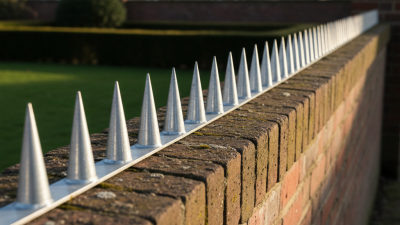
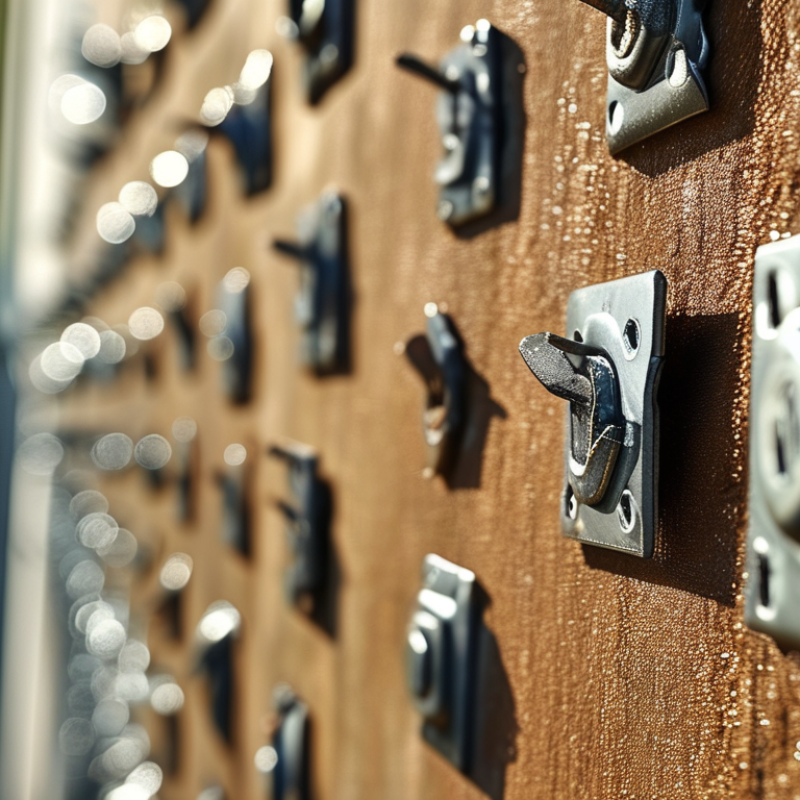
Anti climbing wall spikes serve a crucial role in enhancing security for properties, deterring unauthorized access effectively. Designed to prevent climbing, these spikes can be installed on fences and walls. Their presence alone can discourage potential intruders and contribute to overall safety. According to security industry reports, properties with visible deterrents like wall spikes experience a 50% reduction in unauthorized access incidents.
The material used in manufacturing anti climbing spikes significantly impacts durability and effectiveness. Options include galvanized steel and high-quality plastic, each with its own strengths. Studies show that galvanized steel spikes can withstand harsh weather conditions, maintaining security year-round. On the other hand, plastic spikes are often favored for residential areas due to their non-lethal nature. Interestingly, property owners may overlook essential installation guidelines, which can weaken the overall security they aim to achieve.
While anti climbing spikes offer benefits, it's necessary to consider potential neighborhood opinions. Some communities express concerns about aesthetics and safety. Ensuring that installations comply with local regulations can help mitigate these concerns. Stakeholders may find value in consulting with security experts before making decisions, particularly regarding installation locations and spike types. Each property is unique, and a tailored approach can make a difference in maximizing security while respecting community values.
Types of Anti Climbing Wall Spikes Available on the Market
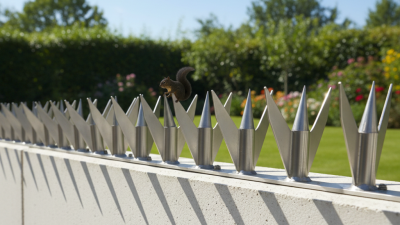
When considering anti-climbing wall spikes, it's important to understand the types available on the market. These spikes vary in design, material, and effectiveness. Common options include plastic spikes, metal spikes, and even electrically charged variants. Each type serves its purpose in deterring intruders. Plastic spikes offer a lightweight solution but might not withstand harsh weather. Metal spikes provide greater durability but can be more challenging to install.
The region and environment where the spikes will be placed can significantly influence your choice. In urban areas, stealthy designs might blend with the surroundings. On the other hand, rural settings may require more robust solutions. Reflecting on the visual impact of these spikes is necessary because aesthetics matter. Not every spike will suit every wall, making it essential to assess the overall look and feel of your property.
Sometimes, the effectiveness of the spikes can be overestimated. While they discourage climbing, determined intruders may still find ways around them. This brings to light the need for additional security measures. Cameras or alarms can complement spikes, offering a more comprehensive security approach. Weighing different types and their effectiveness will help you make an informed decision.
Types of Anti Climbing Wall Spikes Available on the Market
Key Factors to Consider When Choosing Wall Spikes
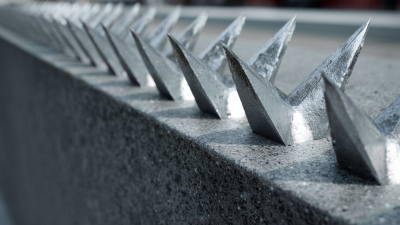
When selecting anti-climbing wall spikes, consider several key factors. The material of the spikes plays a vital role in their effectiveness. Steel spikes are durable and can withstand harsh weather conditions. Plastic spikes, while lighter, may not provide the same level of security. Remember that the weight of the material can influence installation and longevity.
Another factor is the design of the spikes. Some are sharp and designed to deter climbers, while others might focus on discomfort rather than injury. Think about your security goals. Do you want to prevent access completely, or just make climbing more difficult? The height and spacing of the spikes can also affect how effective they are at deterring unwanted visitors.
Installation is critical. Ensure you follow guidelines to secure spikes properly. Improper installation can lead to gaps that may still allow for climbing. Check local regulations regarding safety requirements. While spikes can be an effective deterrent, they might not be enough alone. Combining them with other security measures could provide better protection against intruders.
Installation Methods for Effective Security Solutions
When considering anti-climbing wall spikes, installation methods play a crucial role in their effectiveness. Proper installation ensures that these security features deter intruders while remaining visually unobtrusive. One common installation technique involves using adhesive to attach the spikes directly to walls or fences. This method is suitable for various surfaces and allows for customized layouts. However, improper application can lead to reduced durability, so ensure your surface is clean before installation.
Another installation option is to use screws or anchors, which provide a more permanent solution. This method is ideal for brick or concrete walls and offers enhanced stability. It requires precise drilling, which can be daunting for some. Always check the structural integrity of the wall before choosing this method. Ensuring that the spikes are positioned at the correct height is crucial for maximum security. A mistake here could render your installation ineffective.
Consider consulting a professional if you're unsure about the installation process. Their expertise can guide you in selecting the best approach based on your specific needs. Additionally, regularly inspect the installed spikes to ensure they remain effective. Over time, wear and weather can diminish their protective capabilities. A proactive approach can enhance the longevity and reliability of your security measures.
Maintaining and Inspecting Anti Climbing Wall Spikes Regularly
Regular maintenance of anti-climbing wall spikes is essential for ensuring their effectiveness. Inspecting these spikes should be part of a comprehensive security strategy. Look for any signs of wear or damage. Cracks or broken pieces reduce their deterrent effect. Even minor issues can create vulnerabilities in your security system.
It’s crucial to check alignment and positioning. Misaligned spikes may not function as intended. They should be uniformly spaced and securely fastened. Pay attention to the surrounding environment as well. Debris or vegetation can obscure the spikes, making them less visible and effective.
Don’t overlook routine assessments. Conduct inspections at least once a month or after extreme weather events. Keep a log of your findings to track any changes over time. This practice not only enhances security but also builds a reliable defense against potential intruders. Regular attention can highlight areas for improvement or additional reinforcement needed for optimum protection.
How to Choose the Best Anti Climbing Wall Spikes for Security? - Maintaining and Inspecting Anti Climbing Wall Spikes Regularly
| Feature |
Description |
Material |
Installation |
Maintenance Frequency |
| Length |
Varies from 30cm to 100cm depending on security needs. |
Stainless Steel |
Requires drilling into the wall; may need professional installation for durability. |
Annually |
| Point Spacing |
Install spikes 15-30cm apart for optimal effectiveness. |
Plastic or Metal |
Easy to install; self-adhesive options available. |
Bi-Annually |
| Visual Deterrent |
Sharp spikes create a formidable barrier to would-be intruders. |
Polycarbonate |
Requires secure mounting; ensure spikes are firmly attached. |
Quarterly |
| Height |
Available in multiple heights for different preferences. |
Aluminum |
Requires tools; DIY installation is feasible. |
Monthly |