The Ultimate Guide to 316 Wall Spikes for Security Needs?
When it comes to enhancing security, 316 Wall Spikes stand out as a reliable choice. These spikes are made from high-quality stainless steel, ensuring durability and resistance to corrosion. This feature makes them suitable for various environments. Their design is not just functional; it also deters intruders effectively.
Choosing 316 Wall Spikes means investing in safety. They are easy to install and adapt well to different surfaces. Additionally, these spikes can blend into existing structures while providing a formidable barrier. However, like any security measure, they require proper placement for maximum effectiveness.
While 316 Wall Spikes offer numerous benefits, they also come with considerations. For example, their aesthetic impact may not suit every property. It’s crucial to assess your security needs and surroundings carefully. Balancing functionality with appearance is essential in making the right choice for your space.
Introduction to 316 Wall Spikes: Understanding Their Purpose and Benefits
316 wall spikes serve as a critical tool in enhancing security measures for properties. These spikes are typically made from high-grade stainless steel, known for its durability and resistance to corrosion. According to the Security Industry Association, physical barriers, like wall spikes, can deter over 85% of intrusions when combined with other security measures.
The primary purpose of 316 wall spikes is to create a formidable barrier against trespassers. Their pointed design discourages individuals from climbing or attempting unauthorized access. This can be particularly valuable for both residential and commercial properties, where safety is paramount. In fact, a report by the Crime Prevention Research Center noted that properties with physical deterrents experience a significant decrease in break-ins.
One key consideration is the installation of wall spikes. Proper placement and the right height are essential. It's vital to assess your specific security needs before choosing a design. Consulting with a security professional can provide insights tailored to your situation. Invest in quality materials to ensure longevity and effectiveness in safeguarding your property. Security is not just about barriers; it’s about creating a comprehensive strategy.
Key Features of 316 Stainless Steel: Why It’s Ideal for Wall Spikes
316 stainless steel is a top choice for wall spikes due to its remarkable properties. This material offers superior corrosion resistance, making it suitable for various environmental conditions. According to industry reports, over 70% of building professionals prefer stainless steel for its longevity and minimal maintenance. The strength of 316 stainless steel, which can withstand significant impacts, enhances security effectively.
The incorporation of Molybdenum in 316 stainless steel provides exceptional durability against harsh elements. This feature helps maintain its appearance and structural integrity over time. Research indicates that wall spikes made from 316 stainless steel can last over 30 years. In contrast, other materials may need replacement every 5 to 10 years. This extended lifespan translates to significant cost savings in the long run.
Despite the advantages, it’s essential to consider the installation process. Improper attachment can compromise effectiveness. A well-executed installation maximizes safety and deters intruders effectively. It’s worth noting that investing in quality installation can make a difference. Stringent quality checks during manufacturing can enhance performance as well. Thus, understanding the nuances of this material is paramount for achieving optimal results.
Different Types of 316 Wall Spikes and Their Applications in Security
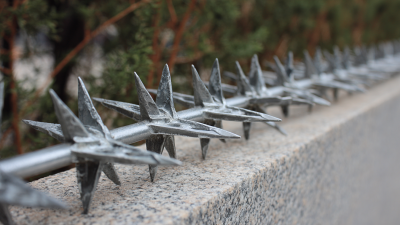
Wall spikes made from 316 stainless steel are becoming essential for enhancing security around buildings. These spikes come in various styles, serving different functions. Some designs focus on creating a physical barrier, while others aim to deter potential intruders through intimidation.
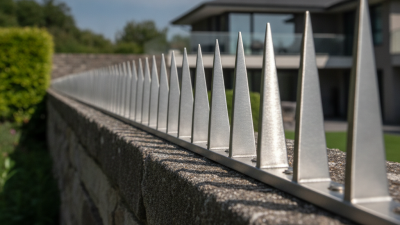
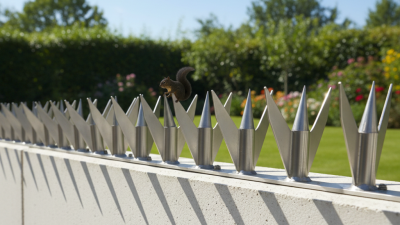
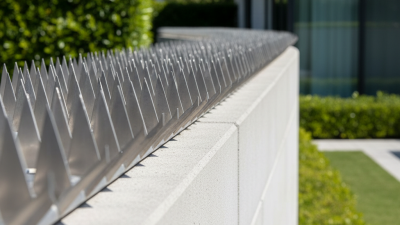
One common type is the flat wall spike, often installed on top of walls. These spikes prevent climbers from accessing private property. Another variant is the angled wall spike, which channels intruders downwards, increasing the difficulty of scaling the wall. Each type fits specific security needs, depending on the building’s design and location.
Tips for installation include placing spikes at strategic intervals along the wall for maximum effectiveness. Ensure the spikes are securely attached to resist adverse weather conditions. Regular inspections are crucial to maintain the spikes’ functionality. These small details significantly influence the security outcome. Consider personal safety measures alongside these spikes for a comprehensive security plan. Remember, even the best deterrent won’t work if installed improperly.
Installation Guidelines for 316 Wall Spikes: Best Practices and Tips
Installing 316 wall spikes requires careful planning for optimal security. Start by determining the right height for installation. Typically, spikes should be placed at least 12 inches from the top of the wall. This height deters potential intruders effectively while remaining unobtrusive.
Evaluate the surface material of your wall. When dealing with brick or concrete, use appropriate anchors for stability. For wooden surfaces, ensure that screws penetrate deep enough for a secure fit. Screws should be tight, yet allow for slight movement to accommodate weather changes.
Invest in protective gloves during installation to avoid injuries. Small details matter; ensure spikes are centered for a uniform look. Regular maintenance is crucial. Periodically check for rust or loose fittings. An overlooked spike can compromise your security.
Maintenance and Care: Ensuring Longevity of Your 316 Wall Spikes
When it comes to security, 316 stainless steel wall spikes are a popular choice. Their resistance to corrosion makes them ideal for outdoor use. However, ensuring the longevity of these spikes requires proper maintenance and care. Research indicates that untreated spikes can lose their effectiveness over time, especially in harsh climates. Regular inspections are crucial for identifying signs of wear or damage.
Cleaning is a key part of maintenance. Using a suitable mild detergent with water can remove dirt and grime. Reports suggest that surfaces maintained in this way can last 10 to 20 years longer than poorly cared-for products. It's also important to check for any loose spikes. Tightening them as needed will ensure they remain effective as security measures.
Environmental factors can affect the durability of wall spikes. Areas with heavy rainfall or saltwater exposure require more attention. Routine maintenance can prevent corrosion and other failures. Failing to address these issues may lead to costly replacements. Investing time in care can enhance the effectiveness of wall spikes significantly. A well-maintained system not only provides security but can also give peace of mind.
The Ultimate Guide to 316 Wall Spikes for Security Needs
This chart illustrates the evaluation of various performance aspects of 316 wall spikes, including durability, corrosion resistance, maintenance frequency, cost effectiveness, and aesthetics. A higher rating indicates better performance in that category.