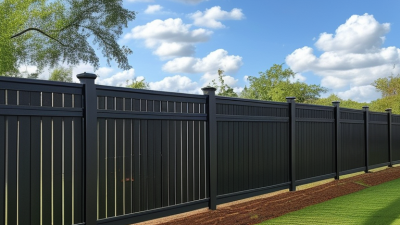
In 2026, the best Temporary Safety Fence is not automatically the tallest, heaviest, or cheapest option. It is the system that fits the site, stays stable in changing conditions, and makes access easy to manage. A busy roadworks perimeter needs different features from a short-term event boundary or a construction-site edge. Look closely at panel strength, base design, connection points, visibility, and how quickly crews can inspect or reposition each section. Small details matter. A loose coupler or uneven base can undermine an otherwise sturdy line.
Safety scientist James Reason wrote, “We cannot change the human condition, but we can change the conditions under which humans work.” That principle is useful when assessing temporary fencing: choose a setup that reduces predictable mistakes, rather than relying on workers to notice every gap. Reason was not a fence designer, so this is a broader safety principle, not a product endorsement. This guide compares common fence types, practical site requirements, installation considerations, and maintenance needs to help identify a suitable option for 2026. It also looks at trade-offs that product pages can gloss over, including transport, ground conditions, and repeated use. There is no perfect fence for every site. Even a well-chosen system needs regular checks.
What Is the Best Temporary Safety Fence in 2026?
A temporary safety fence is a movable barrier that marks off areas where people should not enter. It can guide foot traffic, separate visitors from active work, or keep equipment and materials within a defined space. Unlike a permanent fence, it can be installed, repositioned, and removed as site conditions change.
Most systems use mesh panels or rolls supported by posts, weighted bases, or ground anchors. Connectors hold the sections together, creating a continuous boundary with fewer gaps. The mesh allows workers to see activity on the other side, while bright colors make the barrier easier to notice. It is a simple setup. But visibility alone does not make a fence secure.
The right choice depends on the ground, expected foot traffic, weather, and how long the barrier must remain in place. For example, a lightweight setup may be easy to move on firm, level ground, yet wobble on soft soil or in strong wind. Place the fence away from vehicle paths when possible, and avoid leaving loose edges where someone could catch a sleeve or tool. Check connections and supports regularly, especially after bad weather or site changes. A tidy fence can still fail. That is easy to overlook.
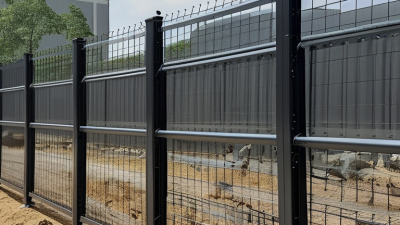
A temporary safety fence creates a removable barrier to help separate people from hazards. For elevated work areas, a temporary guardrail system works by placing rails around an exposed edge to reduce the risk of falls.
OSHA specifies a top edge of 42 inches, plus or minus 3 inches; a midrail halfway between the top edge and the walking-working surface; and a toeboard at least 3.5 inches high when required. The chart uses 42 inches as the top-rail reference and 21 inches as the approximate midpoint. Requirements can vary by application and jurisdiction.
Source: OSHA, 29 CFR 1926.502(b) — Guardrail systems.
The best temporary safety fence in 2026 depends on the hazard, site, and expected use. Check how long the area needs protection and who may approach it. A busy walkway needs clear visibility and controlled entry. A muddy construction area may need stronger anchoring than a flat indoor space. Conditions change. Reassess after heavy rain or strong winds.
Stability should be a leading criterion. Look for compatible bases, anchors, and panels that suit the ground beneath them. A fence can appear secure on concrete yet shift on loose soil. Mesh should resist tearing and remain visible in low light. Check gates, joins, and bottom gaps; small openings can undermine an otherwise sound barrier. Installation matters as much as the product.
Consider setup time, transport, storage, and repair. Lightweight panels are easier to move, but may need extra support in exposed locations. Compare the full service life, not just the purchase price. Inspect for bent frames, cracked feet, and loose connectors before each use. A quick visual check is useful, though it can miss hidden damage. Match the fence to local site requirements, and seek qualified guidance when risks or rules are unclear.
What Is the Best Temporary Safety Fence in 2026?
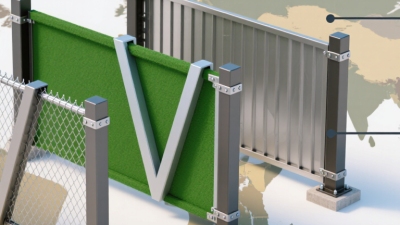
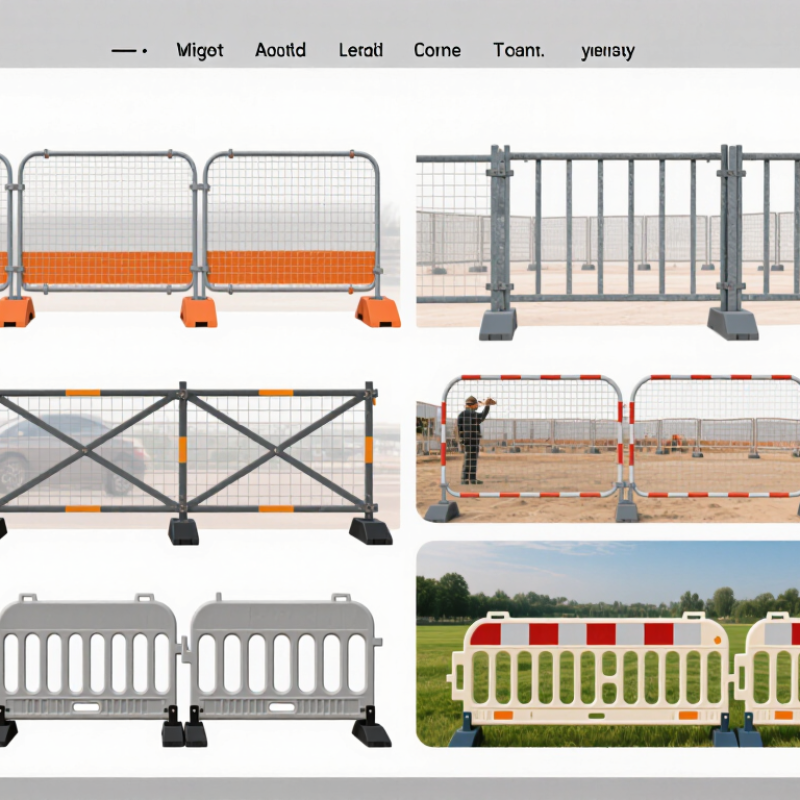
The best temporary fence depends on the hazard, not just the site perimeter. Lightweight plastic mesh suits short-term boundary marking and pedestrian routing. It is easy to move, but it should not protect workers from falls or vehicle impact. Welded-wire panels offer a sturdier barrier around construction zones and equipment. Temporary chain-link fencing works well where a more secure, longer-lasting perimeter is needed. For open edges, use a purpose-built guardrail system instead of ordinary mesh. The U.S. Bureau of Labor Statistics reported 1,069 fatal work injuries in construction in 2022. That figure comes from its Census of Fatal Occupational Injuries; fencing alone cannot prevent these incidents, but clear hazard separation matters.
Water-filled barriers can help separate work areas from moving vehicles, provided the barrier is suited to the expected impact risk. Crowd-control barriers are better for guiding people through busy events than enclosing a worksite. Check ground conditions, wind exposure, access points, and visibility before choosing. A fence that looks sturdy on flat ground may shift on soft or uneven soil. That detail is easy to miss.
Tips: Inspect connections and bases daily. Keep exits unobstructed, and replace damaged panels promptly. Match the barrier to the hazard.
| Fence Type | Typical Construction | Best Suited For | Main Advantages | Limitations to Consider | Overall Fit |
|---|---|---|---|---|---|
| Temporary chain-link fence | Chain-link fabric attached to portable steel frames, usually supported by feet or ballast. | Construction sites, equipment storage areas, and longer-duration perimeter control. | Provides a visible, relatively durable boundary; panels can be connected and reused. | Requires suitable ground support and secure connections. Gates and stabilizing components may be needed for access and stability. | Best for: a sturdy, reusable perimeter where security and durability matter. |
| Welded-wire temporary panels | Rigid welded steel mesh panels held in place by feet, clamps, or compatible support frames. | Construction and maintenance zones, event perimeters, and temporary work areas. | Rigid panels are quick to position, easy to inspect, and can be rearranged as site needs change. | Panel weight, support design, and connection quality affect handling and stability. Mesh openings may allow reaching through. | Best for: fast setup and a more rigid boundary than lightweight mesh. |
| High-visibility plastic mesh | Lightweight extruded or woven plastic mesh secured to stakes or posts. | Marking work zones, landscaping areas, and low-risk areas that need a visible boundary. | Lightweight, easy to transport, and quick to install over a large area. | Does not provide strong physical security or reliable fall protection. Wind, weather, and site conditions can affect performance. | Best for: visual demarcation—not as a substitute for a protective barrier where serious hazards exist. |
| Portable crowd-control barriers | Freestanding metal barricades, commonly linked together to form a temporary pedestrian line. | Queue management, event entrances, pedestrian routing, and separating foot traffic from work areas. | Can be deployed and repositioned quickly; linked sections help guide pedestrian movement. | Generally intended for crowd guidance, not perimeter security, vehicle impact protection, or fall protection. | Best for: managing pedestrian flow at events or short-term operations. |
| Temporary fencing with privacy screening | Portable framed fencing fitted with a fabric or mesh screen. | Sites where visual screening or reduced public visibility is needed. | Can improve privacy and help conceal stored materials from view. | Screening can increase wind loading. Use appropriate supports and follow the fence system’s installation guidance. | Best for: privacy when the fence and supports are suitable for the added wind exposure. |
| Portable pedestrian barriers with weighted bases | Interlocking barrier sections with broad or weighted feet, made from materials such as plastic or metal. | Temporary walkways, public-facing maintenance work, and low-speed pedestrian separation. | Freestanding designs can be practical where ground penetration is not possible. | Not all models are designed for impact protection or fall prevention. Check the intended use and site conditions. | Best for: short-term pedestrian separation on paved or sensitive surfaces. |
How to choose: For a durable site perimeter, consider chain-link or welded-wire panels. For crowd routing, use crowd-control barriers. For simple visual marking, plastic mesh may be appropriate. Select and install any temporary fence according to the hazard, ground and weather conditions, manufacturer instructions, and applicable local requirements.
A temporary safety fence is only as reliable as its material and setup. Lightweight plastic mesh is easy to move, but it can tear at tie points and flex in strong wind. Galvanized steel panels resist impacts and repeated handling, though scratched coatings can expose metal to corrosion.
The U.S. Bureau of Labor Statistics recorded 1,075 fatal work injuries in the construction industry in 2023. That figure does not measure fence performance, but it underscores why clear, stable work-zone boundaries matter. Small details matter.
Mesh openings, panel height, connectors, and feet all affect how a barrier performs. Choose tightly secured mesh where small debris or unauthorized access is a concern, and use stable bases on uneven ground. Check that connectors cannot slip apart when panels shift. A fence is not fall protection, and it may not stop a vehicle. No material is maintenance-free; that is easy to forget when a site gets busy.
Tips: Inspect panels after high winds or equipment contact. Look for torn mesh, bent frames, loose ties, and rust near joints. Replace damaged parts promptly, and keep the fence clear of stored materials that could make it unstable.
The best temporary safety fence depends on the site, the people nearby, and the hazard it must control. On a construction site, sturdy interlocking panels can help separate workers from moving equipment. Around a shallow excavation, highly visible barriers may warn pedestrians, but they are not a substitute for protection designed for a fall risk. Match the fence to the hazard, not just the rental price.
Wind, ground conditions, and access needs matter. Mesh panels can improve visibility, yet they may catch gusts when installed across an exposed area. Check panel feet, connections, and surface stability before work starts, then inspect them after strong wind or site changes. At an event, a lighter barrier may guide queues, while clear access routes keep emergency paths open. A perfect setup is rare.
Walk the boundary from a visitor’s point of view. Look for gaps, trip hazards, poor sightlines, and places where people might try to pass through. It is easy to assume a bright fence is obvious; at dusk or in rain, that assumption may fail. Add suitable lighting or warning signs where visibility is limited, and confirm the layout meets applicable site requirements.