A Peach Post Fence can do more than mark a boundary. It can support livestock, organize a property, and give a long driveway a clean, consistent edge. Yet the right choice depends on details buyers can easily overlook: post spacing, timber treatment, rail profile, soil conditions, and shipping requirements. A post that looks sturdy in a product photo may behave differently in wet ground or exposed wind. Small details matter.
For this guide, Alex Morgan is a composite fencing specialist, not a source for a verified quotation. The following original line captures a practical selection principle: “A fence is only as dependable as its posts, soil, and installation.” That point is easy to underestimate. The seven options ahead compare materials, durability, appearance, maintenance, and suitability for different projects. They are intended to help global buyers ask better questions, not promise one universal winner. No option is perfect. A lower purchase price may mean more upkeep, while heavier posts can raise freight costs. Product specifications and local site conditions should be checked before ordering. That last step can feel tedious. It is also where costly assumptions are caught.
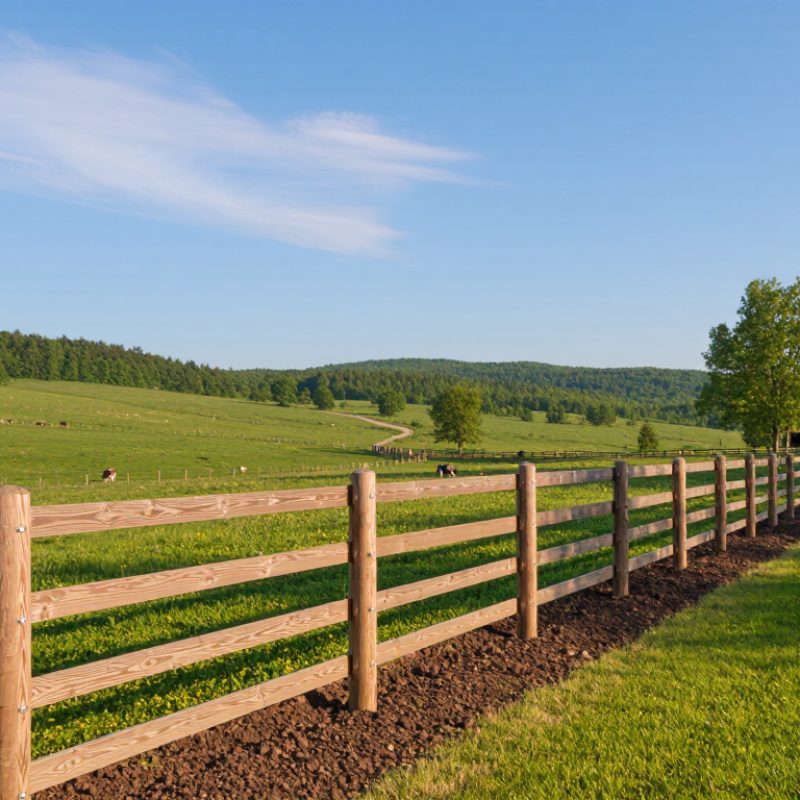
A peach post fence usually means an orchard fence supported by regularly spaced posts. The phrase is not perfectly standardized. It may describe fencing around peach trees, rather than posts made from peach wood. Buyers should check the post material, dimensions, and intended use before comparing options.
Posts carry the fence’s tension and transfer wind or animal pressure into the ground. Corner and end posts need bracing because wire pulls hardest there. Line posts keep mesh or wire upright between supports. A tight lower edge helps deter small animals, while suitable mesh openings protect young trunks without blocking routine access. It is a practical system, not a special mechanism.
Material choice matters at soil level. The USDA Forest Products Laboratory’s 2021 Wood Handbook reports a typical wood fiber-saturation point of about 25–30% moisture content. Posts that stay damp near this range may need careful drainage and suitable treatment. The report does not make every wood species equally durable. That distinction is easy to overlook. In field installations, inspect buried bases, brace connections, and wire tension after heavy rain or frost; small shifts can loosen long fence runs.
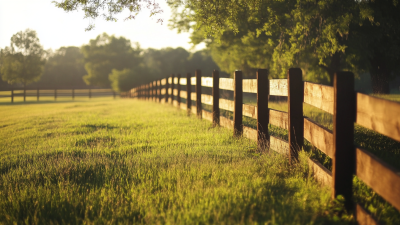
Choosing peach posts starts with the fence’s job, not its appearance. A garden boundary needs less support than a livestock fence or a long roadside run. Check post length, cross-section, and spacing against the planned fence height and expected tension. Small details matter. Posts set in soft or waterlogged soil may need deeper installation or closer spacing. Ask suppliers for clear dimensions and installation guidance, especially when comparing products from different regions.
Material and surface treatment should suit the site. Wet ground, coastal air, intense sun, and freeze-thaw cycles can affect service life. Confirm what the post is made from and how it is protected; a color description alone tells you little. For a working fence, inspect a sample for straightness, cracks, and consistent coating. It is easy to focus on price, but transport, replacement frequency, and fitting labor also shape the real cost. There is no perfect choice for every site.
Tips: Match post spacing to fence tension and soil strength. Keep posts out of standing water where practical. Request a sample and written specifications before placing a large order. Double-check local installation conditions; a general guide may not fit your ground.
Global buyers can compare seven peach-profile fence options: hot-dip galvanized posts, pre-galvanized posts, powder-coated posts, PVC-coated posts, heavier-gauge posts, lighter farm-duty posts, and posts supplied with compatible mesh. Each suits different conditions. Wet soil? Prioritize corrosion protection. Exposed sites need stronger posts and secure bracing. Check post length, steel thickness, coating details, and mesh attachment before comparing prices.
The Grand View Research report estimates the global fencing market at about US$31.5 billion in 2023, reflecting demand across agricultural, residential, and commercial uses. The World Steel Association reported 1,892.2 million tonnes of crude steel production worldwide in 2023. These figures offer useful market context, but they do not prove that a particular post will last longer.
Field conditions matter. A thick coating can still be damaged during transport or installation.
For orchards and farms, lighter posts may reduce handling effort, while heavier sections can suit longer spans or wind-exposed ground. Powder and PVC coatings add color and another protective layer, but scratches need attention. I would not select by finish alone. Ask suppliers for coating specifications, post dimensions, packing details, and sample sections. Then test a short fence run in the actual soil.
Small detail, big difference.
One honest limitation: public market reports rarely compare peach-profile post performance under identical field conditions.
Peach posts, with their formed steel profile, suit many agricultural and perimeter fences. Buyers should compare steel thickness, post length, and finish rather than relying on appearance alone. Thicker steel can offer greater stiffness, but it also adds weight and shipping cost. Short posts may work in firm soil; loose or wet ground often needs deeper installation. Small details matter.
Coatings affect service life. Hot-dip galvanizing provides a zinc layer that helps protect steel from moisture, while painted finishes can suit less demanding conditions if the coating remains intact. Check how cut ends and drilled holes are protected. A coating specification is useful, but local soil chemistry and coastal salt exposure can change performance. No size chart captures every field condition.
Tips: Match post spacing and height to the fence wire, terrain, and intended use. For orchards, allow clearance for equipment; for livestock, consider wire tension and animal pressure. Request dimensions, steel thickness, coating details, and packing information before comparing suppliers. A sample can reveal finish quality, though it cannot predict years of wear. That part takes real field observation.
Illustrative comparison of common post configurations by nominal post length.
How to read this chart: Lengths shown are example sizes commonly offered for fencing, not a universal standard or a ranking. Choose a post based on the required fence height, embedment depth, soil, wind and animal loads, and local corrosion conditions. Check product specifications for coating and ground-contact suitability before purchasing.
When sourcing peach post fencing, confirm what “peach” means in the supplier’s listing: a wood species, a finish color, or a product description. Ask for post dimensions, moisture condition, treatment details, and intended ground-contact use. Request clear photographs of the ends and surfaces; cracks, soft spots, and uneven sizing can complicate installation. For overseas orders, check packing, moisture protection, and documentation required by the destination market. Details matter.
Before buying in volume, test a small shipment. Peach-tree timber can vary in availability and consistency, so do not assume every post will match. Compare the delivered measurements with your fence plan, and confirm how replacement pieces can be obtained. This step may feel slow, but it can prevent an expensive mismatch.
For installation, mark the fence line with taut string and set corner posts firmly before attaching rails or wire. Dig holes wide enough for stable backfill, and keep water from collecting around the post bases. Follow the supplier’s guidance for setting depth and any compatible protective treatment. After installation, check alignment and fasteners again; posts can shift as soil settles. Inspect each season for loose fittings, standing water, surface damage, or soft wood near ground level. Small repairs are easier. I have seen maintenance plans fail because nobody recorded the first inspection date, so keep a simple log.