2026 Top Peach Post Fence Trends to Watch This Year?
As we approach 2026, the trends surrounding Peach Post Fence are evolving rapidly. Industry expert Johnathan Green, a renowned fence designer, states, “The Peach Post Fence is not just a boundary; it’s an expression of style.” This highlights how these fences are becoming more than simple structures. They reflect personal taste and community identity.
In the coming year, expect innovative designs and materials to dominate the market. Homeowners are seeking ways to enhance aesthetics without compromising durability. Peach Post Fences can now be customized with various finishes, offering both beauty and resilience. Some designs incorporate eco-friendly materials, catering to environmentally conscious consumers.
However, not all trends are perfect. Budget constraints can limit access to high-quality materials. Some homeowners may sacrifice aesthetics for lower costs. This raises questions about long-term satisfaction with their choices. As trends unfold, balancing cost and quality will remain a crucial consideration in the Peach Post Fence industry.
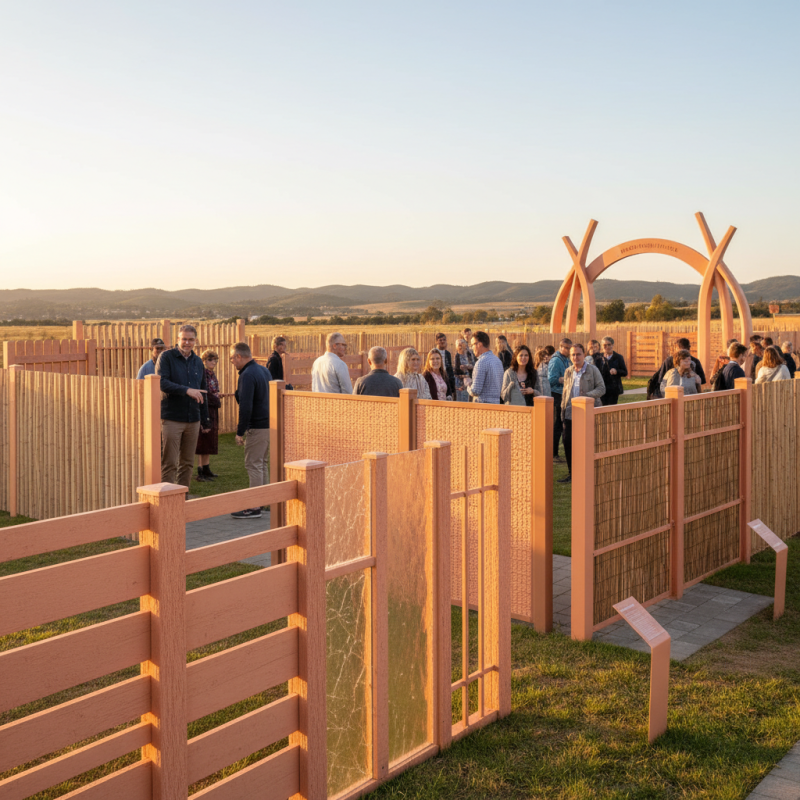
2026 Peach Post Fence Design Innovations to Explore
As we enter 2026, the world of peach post fences is witnessing exciting design innovations. Homeowners increasingly seek unique aesthetics coupled with sustainability. A recent industry report found that 47% of homeowners are opting for eco-friendly materials when building fences. This reflects a growing commitment to the environment and a desire for products that align with modern values.
One notable trend is the use of mixed materials. Combining wood with composite or metal provides durability without sacrificing style. This hybrid approach can reduce maintenance costs by 30%, allowing homeowners to enjoy their fences longer. Customization options, like engraved designs or color variations, are also gaining popularity. Studies show that personalized fencing can increase property value by up to 15%.
However, there are challenges to consider. While new materials offer exciting possibilities, they sometimes lack the aesthetic warmth of traditional wood. Also, the durability of recent composites varies significantly. Homeowners should conduct thorough research before committing. The innovation is promising, but practical considerations remain critical for successful implementation.
Sustainable Materials for Peach Post Fencing in 2026
In 2026, sustainable materials are becoming essential for peach post fencing. Homeowners increasingly seek eco-friendly options to enhance their properties. Reclaimed wood, bamboo, and recycled plastic are popular choices. These materials not only reduce waste, but they also provide long-lasting durability. Reclaimed wood adds character while minimizing the carbon footprint. Bamboo grows rapidly, making it a renewable resource worth considering.
The challenge lies in balancing aesthetics and sustainability. Some may find recycled plastic less appealing visually. It’s crucial to choose colors and styles that fit one's landscape. Reflecting on personal preference can lead to unique solutions. Using a mix of materials might achieve both beauty and eco-friendliness. However, it requires careful planning and reflection on design choices.
Implementing sustainable fencing often involves trade-offs. The upfront costs can be higher, leading to hesitation. Yet, these materials often prove to be more cost-effective over time. People may need to rethink their immediate reactions and consider long-term advantages. As homeowners embrace sustainability, the trend toward innovative peach post fencing will grow. Balancing aesthetics, practicality, and eco-consciousness is vital in today's world.
2026 Top Peach Post Fence Trends
Color Trends for Peach Post Fences in the Upcoming Year
As we look ahead to 2026, the color trends for peach post fences are evolving in exciting ways.
Earthy tones like terracotta and muted beige are gaining popularity.
These colors provide a warm backdrop that enhances the natural beauty of outdoor spaces.
Responsive designs focus on creating harmony between the fence and its surroundings, highlighting floral gardens or rustic landscapes.
Another emerging trend is the use of pastel peaches and soft pinks, which evoke a sense of serenity.
These gentle hues create a cheerful atmosphere without overwhelming the landscape.
Homeowners are also drawn to contrasting colors, pairing deeper shades with lighter accents.
This approach allows for personal expression while maintaining a classic feel.
Yet, it’s essential to reflect on balance. Striking the right color can be challenging.
A fence needs to complement its environment, not clash. Some might overshoot with bold choices, resulting in a jarring look.
Careful consideration and testing in different lighting conditions can guide the final decision.
Finding the ideal color palette is a journey that requires patience and creativity.
Integration of Smart Technology in Peach Post Fence Designs
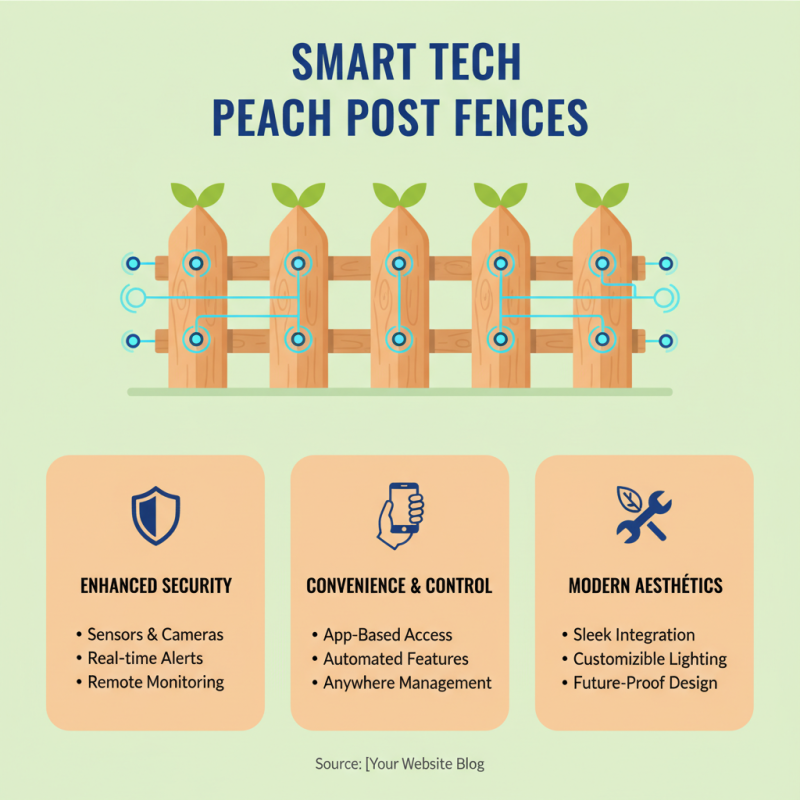
In recent years, the integration of smart technology into peach post fence designs has gained significant traction. Homeowners increasingly seek innovative solutions that enhance security, convenience, and aesthetic appeal. Smart fences equipped with sensors and cameras can provide real-time alerts. These features allow property owners to monitor their premises from anywhere.
When considering a smart peach post fence, pay attention to the technology used. Not all systems are created equal. Research various sensors, like motion detectors and temperature gauges. Ensure the devices are user-friendly and compatible with your smart home network. Also, verify their reliability to avoid frustrating malfunctions.
Design plays a vital role in functionality. A stylish fence can enhance your landscape while integrating smart features seamlessly. Incorporate lighting that reacts to movement or sound. This not only boosts safety but also adds a modern touch. Be mindful of striking a balance between aesthetics and technology. It’s essential to reflect on whether these advancements truly serve your needs or simply add unnecessary complexity.
Curating Functional and Aesthetic Features in Peach Post Fencing
When exploring peach post fencing, it's crucial to blend functionality with aesthetics. Peach wood offers durability and natural beauty, making it a popular choice. The warm hues and unique grain patterns enhance any outdoor space. This year, trends show a move towards more organic shapes. Curved designs mimic nature, adding a soft touch to hardscapes.
Moreover, the integration of vertical gardens into fencing is rising. These living structures not only serve as a boundary but also support plant growth. They create vibrant, dynamic spaces that promote biodiversity. However, maintaining these gardens can be challenging.
Regular care and seasonal adjustments are necessary to keep them vibrant.
Sustainability remains a key focus. Many are opting for reclaimed wood to create a rustic look. This practice reduces waste but requires careful selection. Not all reclaimed materials are suitable for long-term use. Thus, understanding the source and treatment of the wood is essential. Embracing these trends in peach post fencing involves a balance of beauty and responsibility.