Choosing the right Anti Climbing Wall Spikes for 2026 means balancing dependable perimeter security with durability, visibility, and responsible installation. Global buyers face different climates, wall materials, and project requirements. A product that performs well on a dry masonry wall may need closer evaluation in coastal air or heavy rain. Small details matter.
This guide examines common spike materials, mounting methods, corrosion resistance, and practical maintenance needs. It also considers how clear signage and professional installation can support safer, more effective perimeter management. Buyers should verify product specifications and local requirements before ordering, since standards and site conditions vary. There is no perfect option for every wall. That is worth remembering.
A close look at design can help prevent costly mismatches. Check the base width, fixing points, finish, and compatibility with brick, concrete, or metal surfaces. Ask suppliers for documented specifications rather than relying on appearance alone. The strongest choice is the one suited to the actual site, installed and maintained with care.
2026 Best Anti Climbing Wall Spikes for Global Buyers?
Anti-climb wall spikes are visible deterrents fitted along wall tops and other access points. Their angled profiles make gripping or stepping over a barrier more difficult. They do not replace a sound wall, lighting, or monitored access. Think of them as one layer in a broader security plan. A careful site assessment matters.
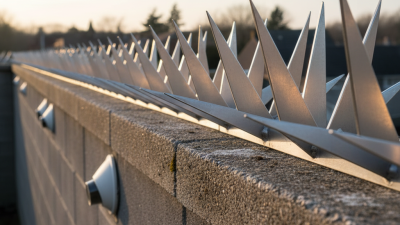
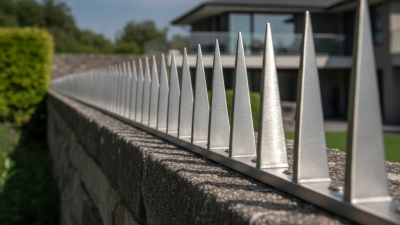
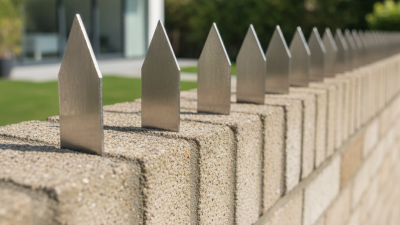
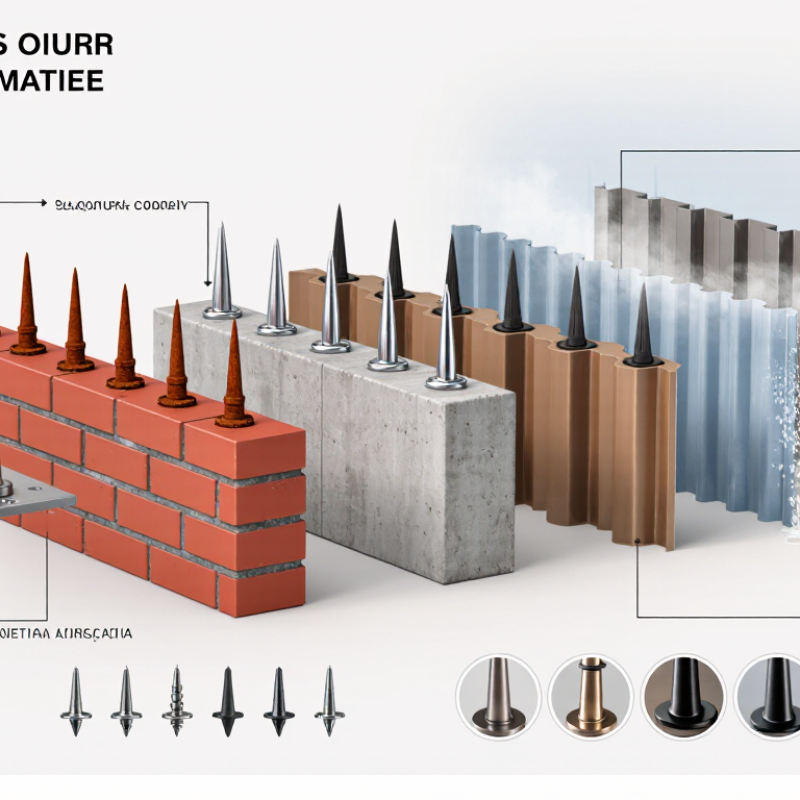
Design and material affect performance. Rounded or blunt-tipped profiles can discourage climbing while reducing the risk of sharp-point injuries. Outdoor units are commonly made from galvanized steel, stainless steel, or durable polymers. Each option behaves differently in salt air, heavy rain, and direct sun. Check the fixing method, drainage, and surface compatibility before installation. Small gaps can weaken coverage. Product descriptions alone may not reveal how a system performs on an uneven wall; that deserves a closer look.
Tips: Measure the wall run, corners, and gates before ordering. Ask for material specifications and maintenance guidance. Inspect fixings periodically for looseness, corrosion, or damage. Keep the installation visible and pair it with clear warning signs where appropriate. There is no universal best choice. Site conditions can change the answer.
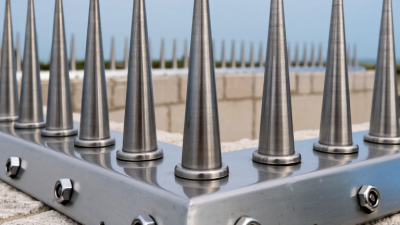
For global buyers comparing anti-climbing wall spikes, material choice matters as much as spike shape. Stainless steel resists corrosion well in coastal air and damp climates, making it suitable for exposed masonry and metal fencing. However, its higher purchase cost may not suit every project. Galvanized steel offers a practical balance for long fence runs, where budget and weather protection both matter. Check coating coverage at cut edges and mounting holes; these small areas can corrode first.
Polycarbonate is lighter and can be less visually severe than metal, depending on its design and finish. It may suit locations where reduced weight or a less industrial appearance is preferred. Yet heat, ultraviolet exposure, and impact can affect long-term performance, so buyers should request test data for the intended climate. There is no universal best material. Site conditions decide.
MarketsandMarkets’ 2024 Physical Security Market report projects growth from about US$105.6 billion in 2023 to US$136.5 billion by 2028. This broad market figure is not specific to wall spikes, but it reflects sustained investment in perimeter protection. For a real installation, compare corrosion testing, UV-aging results, fixing methods, and maintenance intervals. A sample panel installed outdoors can reveal issues that a product sheet misses. It takes time. But it may prevent a costly replacement.
| Material type | Typical characteristics | Common applications | Maintenance considerations | Buyer considerations |
|---|---|---|---|---|
| Stainless steel | Strong, durable metal with good corrosion resistance. Performance depends on the stainless-steel grade and the surrounding environment. | Commercial and industrial perimeters, coastal sites, and other locations where long-term exposure to moisture is a concern. | Usually requires limited coating maintenance; periodic inspection and cleaning are still advisable, especially in marine or polluted environments. | Confirm the specified steel grade, fixing method, wall compatibility, and local safety requirements. Typically costs more than basic coated steel. |
| Hot-dip galvanized steel | Steel protected by a zinc coating, providing corrosion resistance while retaining the strength of the steel substrate. Coating condition affects service life. | General commercial, warehouse, farm, and utility-site boundaries in outdoor environments with moderate corrosion exposure. | Inspect for damaged or worn coating, particularly around cut edges, holes, and fixings; repair or replace parts where corrosion compromises protection. | Check whether the product is hot-dip or electro-galvanized, and verify coating specifications, finish, dimensions, and installation requirements. |
| Polycarbonate | Lightweight, non-metallic plastic that can be made in clear or colored forms. UV resistance and impact performance vary by formulation and product design. | Sites seeking a less prominent visual appearance, including some residential, commercial, and property-management settings. | Check for weathering, discoloration, cracking, loose fixings, and damage from impact or cleaning chemicals. Follow the manufacturer's cleaning guidance. | Ask about UV stabilization, temperature limits, impact resistance, and compatibility with the wall and fixing system. Do not assume all polycarbonate products perform alike. |
| Selection and installation checks | Assess exposure to salt, moisture, pollution, sunlight, and temperature changes; confirm that the wall can support the fixings; and consider visibility, access, and ongoing inspection. Use warning signs where required, avoid creating hazards for the public or wildlife, and check applicable building, workplace, and local safety regulations before installation. | |||
Material performance varies with product specifications, installation quality, and site conditions. This comparison is general guidance, not a substitute for project-specific assessment.
A useful comparison starts with the spike profile. Tall, narrow points may look imposing, but profile alone does not show how well a panel covers a wall. Check the gap between points, the panel width, and whether edges leave climbable spaces. Small details matter. A quick sketch of the wall can reveal awkward corners, joints, and changes in height before ordering.
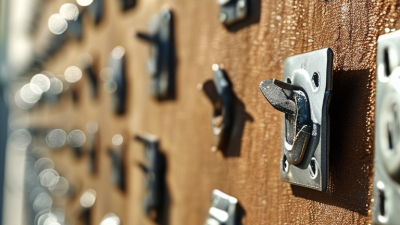
Coverage depends on more than the number of panels. Compare the usable length and width of each section, then check how panels meet around posts and returns. Fixings should suit the actual substrate, such as masonry, timber, or metal. Ask for installation guidance that specifies fixing type, spacing, and edge distances. Loose or poorly matched fixings can undermine a robust-looking product. On site, a small mismatch is easy to miss.
Request tested load data, not just a statement that a product is “strong.” Look for the test method, sample configuration, fixing arrangement, and direction of force. Results from one substrate may not apply to another. Ask whether the report covers the complete assembly or only the spike strip. That distinction can be unclear. Include corrosion resistance and maintenance access in the comparison, especially for exposed locations. A qualified installer should assess placement, safe handling, and suitable warning signs before work begins.
For global buyers, corrosion and weathering checks matter as much as the spike’s shape. NACE International’s 2016 IMPACT study estimated direct corrosion costs at US$2.5 trillion, or 3.4% of global GDP. That figure covers many industries, not wall spikes alone, but it shows why coating failure deserves attention.
ISO 9227 sets laboratory salt-spray procedures. For neutral salt spray, the test uses a controlled saline mist, commonly around 5% sodium chloride at 35°C. Ask suppliers for the test duration, sample preparation, and written pass criteria; the standard does not prescribe one universal duration or acceptance threshold. Salt fog is not a service-life clock. Inspect exposed edges, fasteners, and joints for rust or coating damage, not just the broad flat surfaces.
ISO 4892-3 uses fluorescent UV lamps and moisture cycles to assess weathering of materials such as polymer caps and protective coatings. Request reports identifying the lamp type, exposure cycle, and observed changes, such as cracking, fading, or loss of adhesion. A useful check compares exposed samples with unexposed controls. One limitation remains: chamber tests cannot reproduce every mix of coastal salt, frost, and installation defects. I would not treat a clean test panel as proof that every installed section will age equally.
For 2026 purchases, global buyers should treat anti-climbing wall spikes as a safety system, not a simple hardware item. Check local building, fire, property, and accessibility rules before ordering. Some regions restrict sharp barriers near public walkways, schools, or shared boundaries. Ask the supplier for material specifications, test records, installation guidance, and clear product limitations. Written evidence is more reliable than sales claims.
Measure the wall coping, corners, drainage points, and nearby trees. Confirm that the surface can support the chosen anchors. Concrete may need different fasteners than brick or metal. Keep spikes above reachable zones where local rules require it, and add visible warning signs when appropriate. A qualified installer should inspect the wall first. Poor alignment can leave gaps, collect water, or damage masonry during freezing weather. It happens more often than buyers expect.
Warranty terms deserve close attention. Check coverage for rust, cracking, adhesive failure, replacement parts, and labor exclusions. Ask whether coastal salt, industrial pollution, or extreme temperatures affect the warranty. Schedule inspections after storms and at least twice yearly. Look for loose sections, blocked drainage, corrosion, and disturbed fasteners. Clean deposits with suitable methods, not aggressive tools that remove protective coatings. Keep dated photos and maintenance records. One overlooked issue is future repainting or wall repair; removable sections can reduce later costs. Suppliers should also explain safe handling procedures, because installation teams may need gloves, eye protection, and controlled access. I would not assume a standard kit fits every climate or wall design.
Global Buyer Checklist: Local Safety Rules, Installation, Warranty, and Maintenance
The chart shows a practical purchasing priority model for international buyers. Local safety compliance and installation quality receive the highest weighting because requirements vary by jurisdiction and poor installation can reduce security performance. Warranty and maintenance should also be confirmed before purchase.