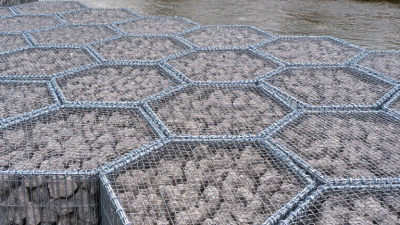
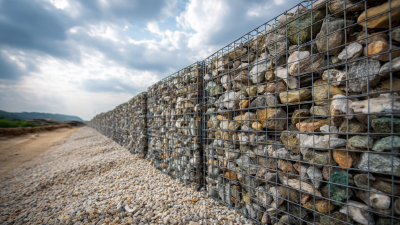
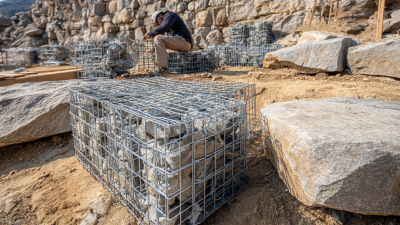
A Basket Gabion may look like a simple wire container, but its performance depends on details buyers can easily overlook. Wire coating, mesh size, panel dimensions, and assembly method all affect durability and installation. A basket placed beside a drainage channel faces different demands from one used for a low garden wall. The right choice begins with the project conditions, not just the lowest quotation.
Global buyers also need to compare suppliers carefully. Ask for clear specifications, coating information, packing details, and realistic production times. Check whether sample dimensions match the final order, and confirm how connectors and diaphragms are supplied. Small details matter. A missing component can slow a crew on site. Photos help, but they do not replace written specifications or a sample inspection.
The seven buying tips in this guide focus on practical checks: defining the application, selecting suitable materials, reviewing manufacturing quality, and comparing complete costs. They also cover communication, shipping preparation, and supplier evaluation. No checklist can predict every site condition. That judgment is not always tidy. Still, asking precise questions before placing an order can reduce avoidable surprises and make product comparisons more reliable. A Basket Gabion is a long-term structural purchase, so the decision deserves more than a quick price comparison.
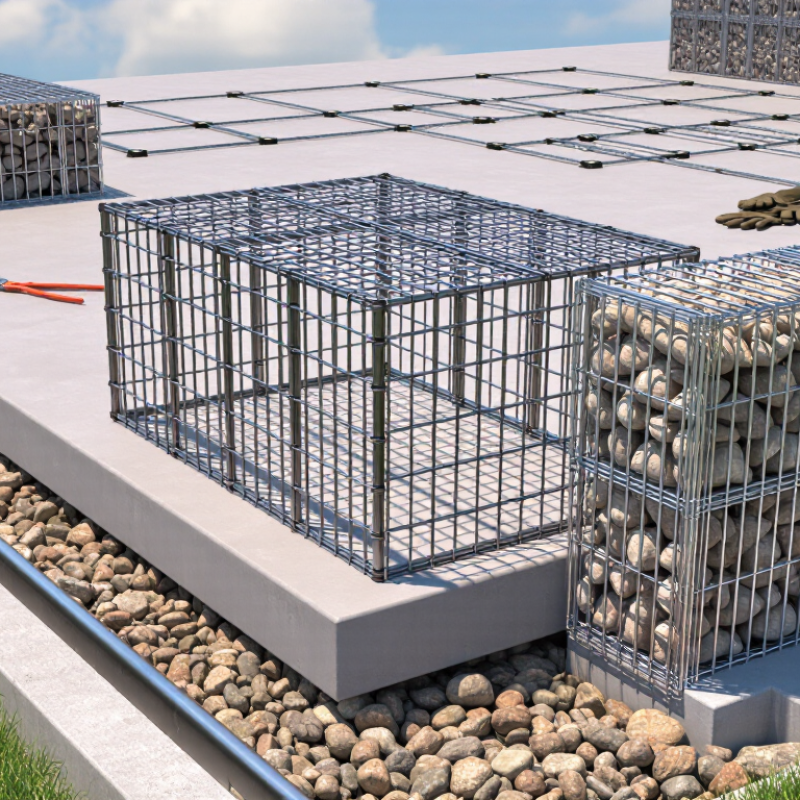
Basket gabions are rectangular wire-mesh units filled with durable stone, then connected to form flexible structures. They are commonly used for retaining walls, slope protection, drainage channels, and riverbank erosion control. The stone provides weight, while the mesh holds the fill in place. Open spaces between stones allow water to drain, reducing pressure behind a wall. Not just decoration.
Tip: Match the basket dimensions and mesh coating to the exposure and project design. Use sound, appropriately sized rock that will not escape through the mesh. For flowing water, check expected velocity and scour conditions with a qualified designer. Small details matter.
A low garden wall and a channel exposed to fast water need different designs. Basket size, foundation preparation, connections, and installation quality all affect performance. On site, uneven ground or mixed stone sizes can complicate assembly. I would not assume a standard basket suits every project; confirm local soil, water, and loading conditions before ordering. Include access for installation and consider how the structure will be inspected and maintained.
Before choosing basket dimensions, define what the structure must resist: bank erosion, toe scour, channel movement, or a combination. Record design water levels, flow velocity, expected scour depth, soil type, and groundwater conditions. The FHWA’s HEC-23 design guidance treats hydraulic and site conditions as key inputs when selecting erosion countermeasures. A basket sized from a standard catalog alone may not suit the site.
Measure the full installation area, including bends, tie-ins, and the buried toe. Note access limits too; a basket that fits the drawing may be difficult to place beside a narrow channel. Specify basket length, width, height, internal partitions, and stone grading against the design loads and installation method. Check local rainfall and flow records. The IPCC Sixth Assessment Report indicates that heavy precipitation intensity rises by about 7% per 1°C of global warming, on average. That figure is not a site-specific flood forecast, but it supports checking whether historical design data still represent future conditions.
Inspect the ground in person where possible. Soft foundation soils, sharp changes in bank slope, and abrasive or chemically aggressive water can affect settlement and wire durability. A neat drawing can still be wrong. I have seen small access constraints force awkward field cuts and weaker connections. Record these risks early, then confirm dimensions and foundation details with a qualified hydraulic or geotechnical engineer.
Compare the calculated volume of example basket configurations to help define project dimensions.
Basket volume is calculated as length × width × height. These are example dimensions, not a product specification; confirm available sizes and mesh details with your supplier. Select dimensions to suit the required structure and check site conditions such as ground stability, drainage, and water flow.
When comparing basket gabions, look beyond the quoted wire diameter. Ask whether it refers to the steel core or the finished, coated wire. That small distinction affects strength and fit. Check the base metal, tensile properties, mesh size, and coating specification together. A thick coating cannot compensate for weak wire.
For ordinary outdoor sites, galvanized wire is common; harsher, wet, or saline conditions may call for a zinc-aluminium alloy coating or an additional polymer layer. Match protection to exposure, not appearance. Rust starts quietly. Ask for coating mass or thickness records, relevant test results, and details about how welded joints are protected. With welded panels, coating applied after welding can cover exposed weld areas; pre-coated wire may leave them more vulnerable if the coating is damaged. Inspect cut ends and bends, too.
A practical receiving check includes measuring several wires, reviewing certificates, and looking for bare spots, peeling, or uneven coating. Compare samples from different bundles, not just the clean piece shown in a quotation. I would not treat a bright finish as proof of durability; that shortcut is tempting, and unreliable. No coating lasts equally well everywhere. Soil chemistry, trapped moisture, abrasion, and maintenance all matter, so request site-specific guidance and record the agreed specifications before ordering.
7 Basket Gabion Buying Tips for Global Buyers
Verify Product Standards, Supplier Capability, and Quality Control
For basket gabions, match the specification to the project: mesh opening, wire diameter, basket size, diaphragm spacing, and coating all affect performance. ASTM A975 covers double-twisted hexagonal mesh gabions and revet mattresses; EN 10223-3 covers hexagonal steel wire mesh for civil engineering. Ask suppliers to identify the exact standard and edition on quotations and test documents. A generic “compliant” claim is not enough. Check sample measurements against drawings, and confirm coating tests use the stated method, such as EN 10244-2 for metallic coatings on steel wire.
Supplier capability needs evidence. Request production-line photos, recent batch records, and third-party test reports for wire tensile strength, mesh dimensions, and coating mass. ISO’s 2022 Survey recorded over 1.2 million valid ISO 9001 certificates worldwide. That scale is a reminder: certification alone does not prove a factory can control gabion quality. Verify the certificate’s scope and issuing body, then compare records with the actual production lot. Small details matter. A missing traceability label can complicate inspection at the destination port.
Tips: Approve a pre-shipment sample; record acceptable tolerances in the purchase order; ask how rejected batches are isolated. For a trial order, inspect a cut wire end and a folded panel, not just the finished basket. This check is easy to overlook. Even so, coating damage during packing may deserve more attention than a polished sample suggests.
| No. | Buying Tip | What to Verify | Useful Evidence or Check | Why It Matters |
|---|---|---|---|---|
| 1 | Confirm the applicable product standard | Check that the quotation and technical documents identify the standard and edition required by the project. ASTM A975 covers double-twisted hexagonal wire mesh gabions and mattresses; EN 10223-3 covers hexagonal steel wire mesh products for civil engineering purposes. | Request a standards compliance statement and confirm that the specified product type, test requirements, and project documents are consistent. Do not treat a general quality-management certificate as proof of product compliance. | Standards can differ in scope and test requirements. The project specification and destination-market requirements should determine which standard applies. |
| 2 | Specify mesh, dimensions, and configuration | Document basket length, width, height, mesh opening, diaphragm spacing, lacing method, and any required stiffeners. Confirm whether baskets are supplied assembled or folded for shipment. | Review dimensioned drawings and a written specification. Compare the mesh opening and basket dimensions with the project drawings; do not assume one standard size suits every application. | Clear dimensions help prevent installation delays, mismatched components, and disputes over what was ordered. |
| 3 | Check wire and coating requirements | Specify wire diameter, tensile or mechanical properties where required, coating type, and coating mass or class in line with the project documents. Coating requirements may reference standards such as EN 10244-2 or ASTM A641/A641M, where applicable. | Ask for material certificates and coating test records that identify the wire batch, test method, and measured result. Confirm whether the specification requires an additional polymer coating. | Wire and coating requirements affect conformity and corrosion protection. Suitability depends on the exposure conditions and design life specified for the project. |
| 4 | Assess production capability | Verify that the supplier can manufacture the ordered mesh type and basket dimensions, maintain production records, and meet the required order quantity and delivery schedule. | Review the production flow, equipment relevant to the order, capacity plan, inspection arrangements, and examples of traceable production documentation. Consider a facility audit for high-value or recurring orders. | Documented capability reduces the risk of inconsistent output, missed delivery dates, or reliance on unsupported claims. |
| 5 | Agree quality-control checks before production | Set acceptance criteria for mesh opening, wire diameter, basket dimensions, coating, workmanship, and included accessories. Define inspection timing, sampling, and how nonconforming items will be handled. | Approve an inspection and test plan. Request dated inspection records linked to the production lot, and agree whether pre-shipment inspection or third-party inspection is needed. | Written criteria make inspection results actionable and help ensure the delivered goods match the purchase specification. |
| 6 | Check assembly details and accessories | Confirm the type and quantity of lacing wire, connectors, diaphragms, stiffeners, and any other specified components. Verify that assembly instructions match the supplied configuration. | Use a packing list and component checklist. Inspect a sample basket or assembly demonstration for secure connections, intact mesh, and conformity to the approved drawings. | Missing or incompatible accessories can delay site work even when the baskets themselves meet the order details. |
| 7 | Plan packaging, traceability, and delivery | Agree bundle identification, protective packaging, loading method, shipping marks, delivery terms, and required export or project documents. Confirm how production lots will be identified. | Review a sample label and packing list. Ensure lot or batch references connect the goods to inspection records and material documentation; verify packaging is suitable for the planned transport and handling. | Clear identification and suitable packing support receiving inspections, document checks, and efficient handling at the destination. |
Buyer note: Use the project specification, design requirements, and applicable local regulations as the final acceptance basis. Request current documents for the actual production lot rather than relying only on general product brochures.
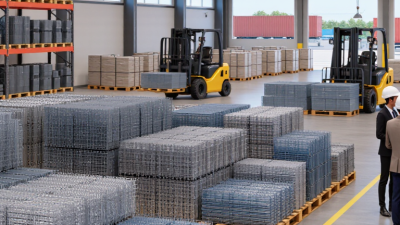
A basket gabion’s purchase price is only one part of its delivered cost. Compare quotations using the same basket dimensions, wire coating, mesh opening, and packed quantity. Ask whether freight includes unloading, port charges, and delivery to the worksite. A low unit price may look attractive until a truck cannot reach the final location. Check the packing list, too. Missing or damaged panels can delay a crew.
Installation needs affect the budget. Confirm whether baskets arrive flat-packed and whether connecting spirals, lacing wire, and diaphragms are included. Measure access routes and staging space before ordering; full pallets need room for safe handling. Stone size matters as well. Locally sourced, angular rock can reduce transport costs and resist shifting, but it must suit the mesh openings. Small details count. Allow time for filling and bracing, especially on stepped walls or uneven ground.
Compare lifecycle costs, not just delivery costs. Check the specified coating against site exposure, and ask how the supplier documents wire and coating properties. Estimate inspection, vegetation control, and repairs over the intended service period. A poorly filled basket may bulge, while a damaged coating can shorten service life. These risks depend on drainage, stone quality, and workmanship, so avoid treating one estimate as certain. The cheapest option may not stay cheapest. A careful comparison still leaves some uncertainty.