Top 10 Basket Gabion Suppliers for Global Buyers
Selecting a dependable Basket Gabion supplier involves more than comparing unit prices. Buyers need products suited to the site, clear specifications, and reliable communication. This guide introduces ten suppliers serving international markets and outlines practical points to consider before requesting a quotation. A supplier’s website can offer useful clues, but it cannot confirm every production detail.
Compare wire diameter, mesh opening, coating, basket dimensions, and available diaphragms. These details affect handling, assembly, and performance in the intended application. Ask for product drawings, material specifications, relevant test documents, and project references where available. Check how baskets are packed, how quickly orders can be prepared, and whether the supplier can explain shipping terms clearly. Small omissions matter. A difference in coating or mesh size may not stand out in a product photo.
The suppliers in this overview are starting points, not automatic endorsements. Capabilities, lead times, and export experience can change, and published information may be incomplete. Some details still need direct verification. Request a written quotation with matching specifications, then compare responses on equal terms. Consider the project’s location, installation conditions, and expected service needs before choosing. A lower price may be attractive, but unclear technical details can create avoidable questions later. This guide aims to make those questions easier to ask.
What Basket Gabions Are and How They Are Used
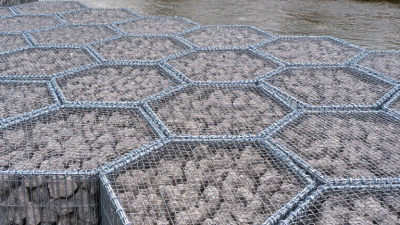
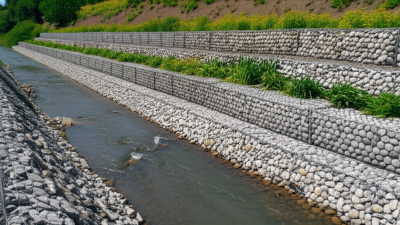
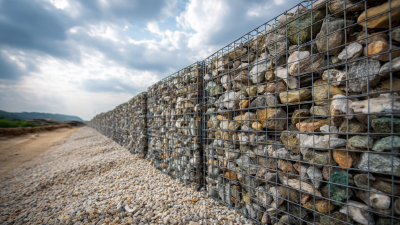
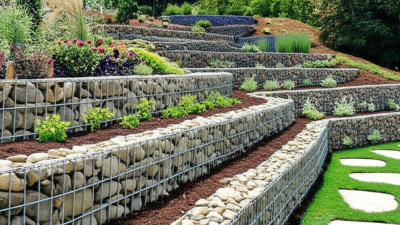
Basket gabions are rectangular wire mesh containers filled with durable stone. Their open structure lets water pass while holding the fill in place. On a riverbank, rows of baskets can reduce soil loss by slowing surface flow and protecting exposed edges. They are also used for retaining walls, drainage channels, road embankments, and landscape features.
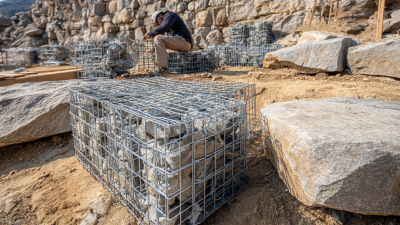
Installation details matter. The base should be level and firm, with drainage and separation fabric considered where soil could wash through the stone. Workers place larger, well-graded rock carefully, especially along visible faces, then close and connect the baskets. Small stones may escape through oversized mesh openings. Still, a gabion is not a cure for every slope. Poor foundations, undersized baskets, or fast-moving water can cause movement or damage. I have seen neat stone faces hide uneven filling inside; that shortcut can weaken the structure. Wire coating, mesh strength, rock durability, and local ground conditions should be checked against the project design. A qualified engineer can assess loads and water behavior before construction begins.
Common Basket Gabion Sizes by Nominal Volume
These example basket dimensions have nominal geometric volumes of 2, 3, and 4 cubic metres. Actual product dimensions and usable fill capacity vary by specification. Basket gabions are commonly used for retaining walls, slope protection, and erosion control.
Key Factors for Evaluating Basket Gabion Suppliers
Choosing a basket gabion supplier starts with project conditions, not the lowest quote.
Ask for wire diameter, mesh opening, coating type, and declared tensile values. Check whether these details match the drawings and site exposure. For coastal or wet locations, coating durability matters. Small details count. Request a sample panel and inspect its wire joints, cut ends, and dimensions by hand.
Reliable suppliers provide current test records and traceable batch information, not just polished brochures. Ask how they control weaving, welding, coating thickness, and packing. Production photos can help, but they do not replace test evidence. Confirm that baskets, diaphragms, and lacing wire arrive in the specified quantities. One missing bundle can delay a crew. A tidy spreadsheet may still miss weak packing.
Compare lead times with shipping routes, seasonal demand, and site access. Clarify how damaged units are handled and who answers technical questions after delivery. Ask for references from projects with similar soil, water flow, and installation scale. Call a reference, if possible. Price deserves attention, but unusually low offers need a closer look. Supplier selection depends on evidence and judgment; neither is perfect.
Top Basket Gabion Suppliers Serving Global Buyers
Basket gabion suppliers serving global buyers need to do more than quote a price per unit. Buyers should compare wire coating, mesh dimensions, diaphragm spacing, and available basket sizes. These details affect handling and filling on site. Ask for product specifications and inspection records before confirming an order. A clear answer is reassuring; a vague one deserves a follow-up.
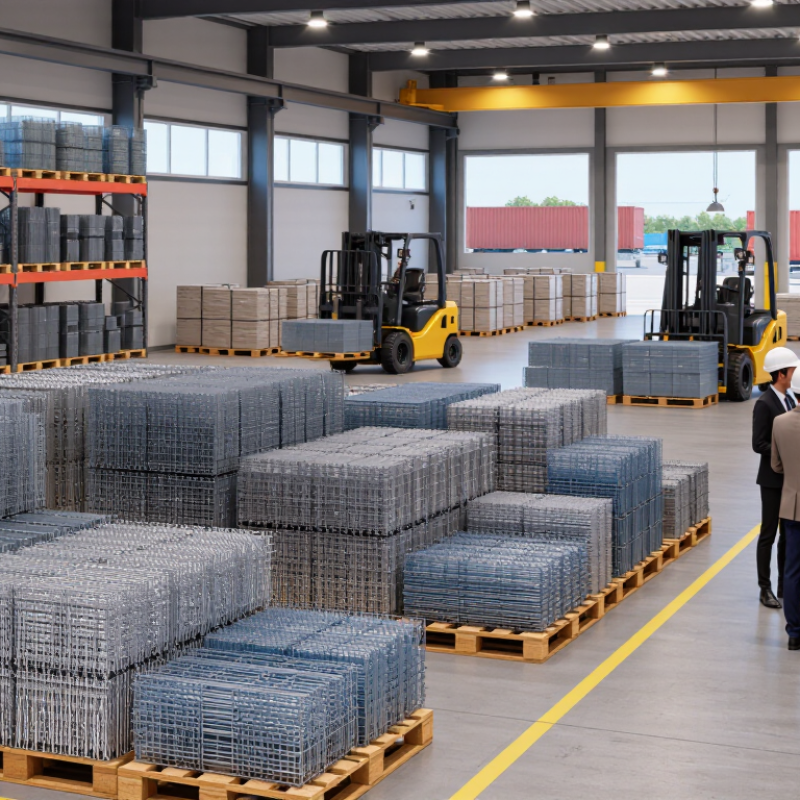
Shipping also shapes the buying decision. Folded baskets can reduce cargo volume, but packaging must protect the wire from damage and moisture. Request photographs of packed goods, estimated production time, and confirmation of how quantities are counted. Small details matter. For large projects, sample panels can help teams check mesh consistency and assembly before placing a full order. Communication across time zones may slow decisions, so written confirmations are useful. Not every supplier will provide the same level of detail, and that difference can be easy to overlook when deadlines are tight.
Experienced buyers also match the basket design to the project conditions, including expected water flow, fill material, and installation access. Suppliers should be willing to discuss these requirements without promising performance they cannot verify. A practical evaluation considers quality control, documentation, packing, and response speed alongside cost. There is no perfect checklist, and site conditions can change. Careful questions still reduce avoidable surprises.
What to Consider When Sourcing Basket Gabions Internationally
When sourcing basket gabions internationally, compare the complete specification, not just the price per unit. Confirm basket dimensions, mesh aperture, wire diameter, coating type, and diaphragm spacing in writing. A small change in mesh opening can affect stone retention and filling time. Ask how the supplier checks welds or woven joints, and request recent inspection records or clear production photos. Details matter.
Tips: Send a marked-up drawing with your inquiry. Ask for a sample panel if the project allows it. Check that packing protects the wire coating from abrasion during a long trip. Confirm the quoted quantity includes lacing wire, ties, and any required stiffeners. These items are easy to overlook.
International orders also need careful planning around lead time, freight, and documentation. Confirm the production schedule and port handover date, rather than relying on a broad delivery estimate. Request packaging dimensions and gross weight early; they can affect freight costs and unloading plans. A coating certificate can support quality checks, but it does not replace inspection of the delivered goods. One point worth questioning: the lowest quote may exclude useful accessories or stronger packaging. Compare like-for-like offers, and leave time to resolve specification gaps before production begins.