Sichuan Lanfan Transport Construction Co., Ltd. specializes in the production of various metal mesh fences.
Leave Your Message

Why Choose Livestock Field Farm Fence?

Choosing the right Livestock Field Farm Fence begins with animal behavior, terrain, and daily management. A fence is not merely a boundary. It is a working tool that protects animals, pasture, water sources, and neighboring property.

The 2022 USDA Census of Agriculture recorded 1,900,487 farms across the United States, covering about 880 million acres. Many operations depend on reliable fencing across uneven fields, muddy gateways, and exposed corners. USDA Natural Resources Conservation Service guidance also links fence planning with controlled grazing, livestock distribution, and resource protection. These points matter. A weak line can create escapes, crop damage, and stressful repairs during bad weather.

Temple Grandin, a leading livestock-handling specialist, has said, “The most important thing is to make the right thing easy and the wrong thing difficult.” Her principle applies directly to fence design. Visible, properly tensioned wires can guide cattle calmly. Rounded corners and secure gates can reduce pressure points. Electric options may support rotational grazing when installed and maintained correctly.

Still, no fence works everywhere. Soil, predator pressure, herd size, and maintenance skills change the decision. That part is often underestimated. A low-cost installation may become expensive after repeated breaks. The best Livestock Field Farm Fence balances strength, visibility, access, and long-term labor.

This article examines practical fence types, material choices, installation details, and maintenance risks. It also considers an uncomfortable question: is the cheapest fence truly economical when one escaped animal can undo months of pasture planning?
Why Choose Livestock Field Farm Fence?

What Is a Livestock Field Farm Fence?

Why Choose Livestock Field Farm Fence?

What Is a Livestock Field Farm Fence?

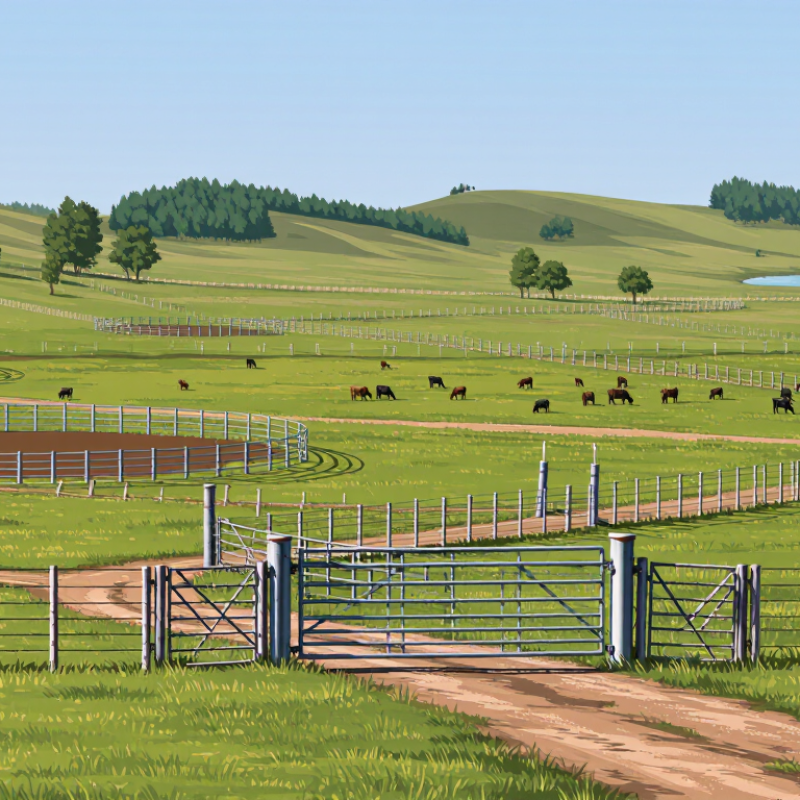
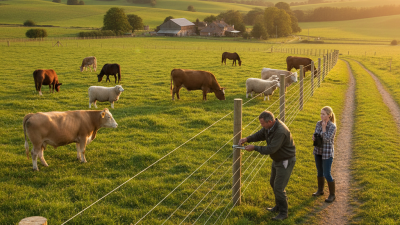
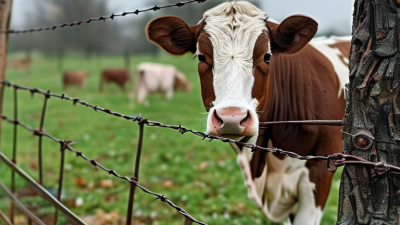
A livestock field farm fence is a woven wire barrier designed for pasture and animal control. It usually combines horizontal wires with vertical stays, creating rectangular openings across the fence. Galvanized or coated steel helps resist rain, mud, and daily rubbing. Fence height and spacing vary according to the animals being contained. Smaller openings help protect young animals, while wider openings may suit larger livestock. Strong posts, tight corners, and reliable gates complete the system. It is not simply a boundary. It guides movement, protects grazing areas, and reduces accidental escapes.

Tips: Match the mesh to the animal’s size and behavior. Keep the lowest wire close enough to prevent crawling underneath. Use stronger corner posts because tension gathers there. Inspect the fence after storms, especially near streams and soft soil. A loose section can become a serious problem quickly.

In practical farm work, regular inspection matters more than impressive specifications. Walk the fence line slowly and look for bent wires, leaning posts, rust, and damaged ground. Keep branches away from the mesh. Check gates every day during active grazing periods. I have found that many failures begin with one neglected corner. That detail is easy to miss. A livestock field farm fence works best when its design reflects the animals, terrain, weather, and maintenance time available.
How Livestock Field Farm Fences Are Designed

Why Choose Livestock Field Farm Fence?

How Livestock Field Farm Fences Are Designed

A livestock field fence begins with animal behavior, not a catalog drawing. Cattle push forward, sheep test gaps, and horses may panic near sharp edges. The USDA’s 2022 Census of Agriculture recorded about 1.9 million U.S. farms across 880 million acres. That scale shows why one standard fence rarely suits every field, climate, or herd.

Designers first assess livestock size, grazing pressure, soil, slope, and daily movement. Small openings can restrain sheep, while larger animals need stronger horizontal wires and heavier posts. The USDA Natural Resources Conservation Service Fence Standard, Practice Code 382, emphasizes suitable height, spacing, materials, corner bracing, and safe access points. These details matter. A weak corner can loosen an entire line after one season.

Post spacing should shorten on slopes or soft ground. Wire tension must remain firm without creating dangerous rigidity. Gates need clear visibility and enough width for machinery, animals, and emergency access. I would not copy a neighbor’s layout without checking local conditions. It may look efficient, yet fail after heavy rain or repeated pressure. No fence plan is perfect. Regular inspections still matter.

The American Society of Agricultural and Biological Engineers also promotes practical safety considerations for livestock facilities, including smooth surfaces and reduced injury hazards. Good field fencing is therefore a working system: visible, repairable, and matched to real animal movement. Fancy materials cannot replace careful observation.

Key Benefits for Animal Safety and Farm Management

Why Choose Livestock Field Farm Fence?

Key Benefits for Animal Safety and Farm Management

A well-planned livestock field fence creates a clear, dependable boundary around grazing areas. During routine field inspections, I look for smooth wires, stable posts, and safe spacing between rails. These details reduce injuries caused by sharp edges, loose sections, or trapped legs. The fence should match the animals. Smaller openings may suit sheep, while stronger construction is often needed for cattle and active horses. Poor matching creates problems quickly.

Animal safety comes first. A visible fence discourages animals from pushing against weak points or wandering toward roads. Proper tension also prevents sagging, although excessive tension can make repairs harder after storms. Gates deserve special attention. They should open easily for workers but remain secure when animals are nearby. Keep water, shade, and feed away from fence lines when possible. Crowded animals may test the barrier more often.

Farm management becomes easier when fields are divided into practical sections. Temporary movement between paddocks supports grazing control and simplifies daily checks. Marking gates and inspection points saves time during busy seasons. Still, fencing is not maintenance-free. Posts can shift, vegetation can hide damage, and animals may learn where pressure works. I have seen a sound-looking line fail after one neglected corner. Regular walking inspections remain essential, even with durable materials. Local agricultural guidance should also influence spacing, height, and installation methods.

Why Choose Livestock Field Farm Fence?

Typical minimum fence heights help match field fencing to the livestock being contained. Proper height, secure installation, and suitable mesh spacing improve animal safety and simplify daily farm management.

Planning reference: commonly used minimum fence-height ranges are approximately 36 inches for sheep and pigs, 42 inches for goats, 48 inches for cattle, and 54 inches for horses. Actual requirements vary by animal size, breed, terrain, jumping behavior, and local regulations.

Common Materials and Installation Considerations

Why Choose Livestock Field Farm Fence?

Common Materials and Installation Considerations

Livestock field fencing must match animal size, pressure, and grazing conditions. Woven wire is a practical choice for sheep, goats, and mixed herds. Its smaller openings reduce the risk of heads or legs becoming trapped. High-tensile wire uses fewer posts, but it demands accurate tensioning and strong corner assemblies. Welded wire looks neat and works well for smaller enclosures. However, heavy animals may bend poorly supported panels. Timber posts offer reliable strength in wet ground when properly treated. Steel posts are lighter and often easier to install across long boundaries.

Installation quality usually matters more than appearance. I check property lines, drainage paths, and vehicle access before setting posts. Corners should resist pulling forces from every direction. Brace them carefully. Post spacing depends on fence type, soil, and livestock pressure, so fixed spacing rules can mislead. Uneven ground needs gradual rises and dips, not sharp gaps beneath the mesh. A bottom wire placed too high may let young animals crawl through. Too low, and vegetation can create maintenance problems.

Gates deserve extra attention because daily movement quickly exposes weak hardware. Leave enough clearance for feeders, trailers, and muddy turning areas. I prefer walking the finished fence at animal height, looking for sharp edges and loose ends. My first installations were sometimes too visually straight, but drainage mattered more than perfect lines. That lesson still influences each site inspection. Regular checks after storms can reveal leaning posts, stretched wire, and washed-out soil before animals escape.

Why Choose Livestock Field Farm Fence? - Common Materials and Installation Considerations

Fence Material / Type Typical Use Key Advantages Common Limitations Typical Post Spacing Installation Considerations Maintenance Notes
Woven Wire Field Fence Cattle, sheep, goats, horses, and mixed livestock Provides a physical barrier; mesh openings can help reduce animal escapes; suitable for uneven terrain Can be pushed down by large animals if not tensioned and supported properly Approximately 8–16 ft (2.4–4.9 m), depending on terrain and animal pressure Use strong corner and end assemblies; keep the bottom wire close enough to the ground to limit crawling; avoid excessive tension on steep or irregular ground Check for broken wires, loosened staples, leaning posts, and gaps beneath the mesh
High-Tensile Smooth Wire Long boundary lines and large grazing areas Uses fewer, stronger wires; relatively low material weight; efficient for long runs Does not provide a complete physical barrier; requires careful layout and secure end assemblies Approximately 16–30 ft (4.9–9.1 m), adjusted for terrain and wire height Use properly braced corners; maintain consistent wire tension; install visible markers where livestock or vehicles may contact the fence Retension when needed and remove vegetation that may pull down or conceal the wires
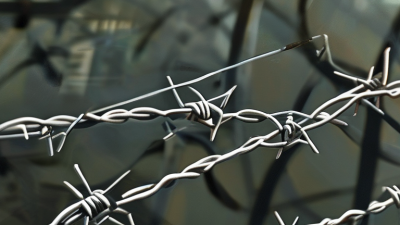
Barbed Wire Boundary fencing and separation of large pasture areas Relatively economical; discourages animals from leaning or pushing against the fence Can cause injuries; generally unsuitable where animals may run into the fence or where public access is nearby Approximately 12–20 ft (3.7–6.1 m), depending on wire count and terrain Use appropriate wire height and spacing for the livestock; install highly visible gates and avoid sharp exposed ends Inspect for sagging strands, broken barbs, rust, and damage caused by wildlife or fallen branches
Electric Fence Temporary paddocks, rotational grazing, and livestock training Flexible layout; can be installed quickly; useful for controlled grazing and temporary divisions Depends on reliable energizer output, grounding, insulation, and vegetation control Approximately 10–30 ft (3.0–9.1 m), depending on conductor type and terrain Install a suitable energizer and grounding system; keep conductors clear of grass; use warning signs where required by local rules Test voltage regularly, clear vegetation, check insulators, and maintain gates and connections
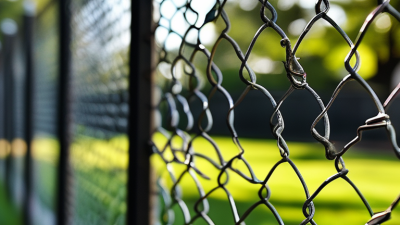
Welded Wire Mesh Small livestock areas, poultry enclosures, gardens, and building perimeters Rigid structure; neat appearance; useful for containing smaller animals when mesh openings are correctly selected May deform under heavy animal pressure; larger panels can be difficult to handle on uneven ground Approximately 6–10 ft (1.8–3.0 m), depending on panel strength and support Select mesh openings that prevent heads, legs, or hooves from becoming trapped; use sturdy posts and protected cut ends Repair damaged sections promptly and check for corrosion, especially near wet ground
Wood Rail Fence Horse paddocks, farm entrances, and visible perimeter areas Highly visible; strong appearance; can be combined with mesh or electric offset wires Higher labor and material cost; vulnerable to rot, insects, impact, and weathering Approximately 8–12 ft (2.4–3.7 m), depending on rail length and livestock pressure Set posts firmly; round or protect sharp edges; provide enough rail height and spacing to prevent animals from climbing through Inspect for rot, loose rails, protruding fasteners, and damage near gates or feeding areas
Steel Pipe or Panel Fence Cattle handling areas, corrals, loading zones, and high-pressure locations Rigid and durable; handles concentrated animal pressure better than many lightweight fence types Heavier, more expensive, and less convenient to relocate than wire systems Approximately 8–12 ft (2.4–3.7 m), based on panel design and post strength Use properly sized posts, secure connections, and rounded or protected edges; allow equipment access during installation Check welds, bolts, hinges, and corrosion; repair bent sections before they become hazardous
Vinyl-Coated or Polymer Mesh Small animal areas, garden protection, and applications requiring low visual impact Lightweight; resistant to some forms of corrosion; available in highly visible colors May be cut, chewed, stretched, or damaged by large livestock and wildlife Approximately 6–10 ft (1.8–3.0 m), depending on product stiffness and support Use closely spaced supports where animals may press against it; select mesh size and strength for the intended species Look for tears, UV degradation, loose fasteners, and areas where animals have begun to push or chew the mesh
General installation guidance: Select the fence according to livestock species, animal behavior, terrain, climate, gate access, and local safety requirements. Corner, end, and gate assemblies usually require stronger bracing than intermediate sections. The spacing values shown are typical planning ranges and should be adjusted for site conditions, fence design, and expected animal pressure.

How to Choose the Right Fence for Your Farm Needs

Why Choose Livestock Field Farm Fence?
How to Choose the Right Fence for Your Farm Needs

Choosing a livestock fence starts with the animals, not the price tag. Cattle need strong wire and sturdy posts. Sheep require smaller mesh openings to prevent escapes. Horses need smooth, visible fencing that reduces injury risks. A fence that works well for goats may fail with determined cattle. I once underestimated how quickly wet soil could loosen corner posts. That mistake changed how I plan every installation.

Study your land before ordering materials. Sloped ground may require stepped sections or flexible mesh. Check drainage areas, tree roots, vehicle access, and seasonal flooding. Place gates where feed delivery and animal movement remain simple. Use braced corners, because tension can pull weak posts out of the ground. Measure the perimeter twice. Small errors become expensive waste.

Weather also shapes the right choice. Galvanized wire can resist rust in damp conditions, while treated or durable posts suit exposed fields. Inspect the fence after storms, especially near gates and low ground. Look for sagging wire, broken clips, and sharp edges. The strongest fence still needs maintenance. I would also leave room for improvement, because every farm reveals problems after real animals test the design. Safety, repair access, and animal behavior should guide the final decision.