How to Choose the Best Livestock Farm Fence in 2026?
Choosing the best livestock fence in 2026 requires more than comparing prices online. A secure fence must match the animals, land, climate, and daily farm routine. The right Livestock Field Farm Fence should contain livestock without causing avoidable injuries. It should also withstand pressure from animals, rain, wind, and machinery.
Start with the animals. Cattle may lean against wire, while goats test small gaps with surprising patience. Horses can panic when sharp edges catch their attention. Smaller livestock may require tighter mesh and lower openings. Measure the animals before selecting the fence height. A 1.2-meter fence may suit some cattle, but it may fail on uneven ground. Experience matters here. Product charts rarely show every field condition.
Material choice deserves careful thought. High-tensile wire offers strength and long service life when installed correctly. Woven wire can provide better control for mixed herds. Timber looks traditional, but posts may rot near wet soil. Electric fencing can improve control, although poor grounding makes it unreliable. Corners need strong bracing. Gates need smooth hinges and safe latches.
Small details decide performance.
Walk the boundary after heavy rain. Check loose wires, leaning posts, muddy corners, and damaged gates. One assumption deserves challenge: the cheapest fence is rarely the least expensive option. Repeated repairs can cost more than a stronger installation. Still, overbuilding every section may waste money. A practical plan balances risk, maintenance, animal behavior, and future expansion. This guide examines those choices with field-based judgment, technical evidence, and honest attention to what can go wrong.
Assess Livestock Needs, Animal Behavior, and Farm Layout
How to Choose the Best Livestock Farm Fence in 2026?
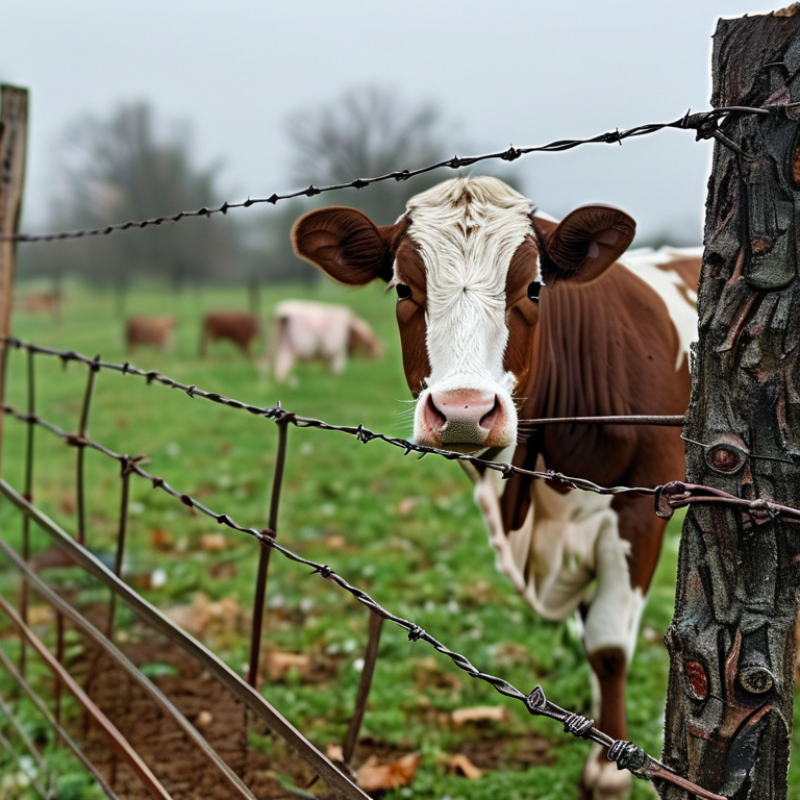
Start with the animals, not the catalogue. Cattle push forward when frightened, while sheep follow flock movement and test weak gaps. Goats climb, lean, and investigate almost everything. A 1.5-meter fence may restrain cattle, but it can fail with active goats.
USDA APHIS livestock welfare guidance stresses calm handling, secure facilities, and smooth movement routes. Sharp edges and blind corners create avoidable injuries. They also slow daily work.
Study the farm layout before selecting materials. Map water points, shade, gates, loading areas, muddy ground, and seasonal grazing zones. Keep gates visible from working lanes. Avoid forcing animals into narrow turns.
The 2022 USDA Census counted about 1.9 million U.S. farms
showing why one standard layout cannot fit every operation. Soil, slope, herd size, and predator pressure change the calculation.
FAO reports that livestock supply chains produce about 14.5% of global human-caused greenhouse gas emissions. Durable fencing can reduce repeated repairs and wasted materials, but only when installed for the site.
A perfect fence is a myth. I would reassess it after one wet season, because first plans often ignore mud, growing calves, and human shortcuts. Choose strength where animals push, visibility where they hesitate, and flexible sections where the farm changes.
Match Fence Height, Spacing, and Strength to Each Species
How to Choose the Best Livestock Farm Fence in 2026?
Choosing livestock fencing requires more than buying the strongest available wire. The fence should match each species’ height, behavior, weight, and escape habits. Field inspections often reveal preventable problems, such as lambs pushing through wide mesh or goats climbing weak panels.
Cattle usually need fencing about 54 to 60 inches high, with strong corner posts and well-braced gates. Horses need similar height, but smooth surfaces reduce injury risks from rubbing or sudden movement.
Sheep often require 42 to 48 inches, while young lambs need narrower openings than mature animals. Goats deserve extra attention. They climb, squeeze, and test loose sections. Tight mesh and secure top lines work better than height alone.
Pigs may need shorter fencing, but the lower section must resist rooting and heavy pressure.
Spacing should remain smaller than an animal’s head, especially around young stock. Measure the gap, rather than judging it by eye. Strength depends on post depth, corner bracing, wire tension, and soil conditions.
Wet ground can turn a reliable fence into a leaning barrier. Leave enough clearance for equipment, but avoid gaps beneath gates. I have seen well-built fences fail because one latch was too high for daily handling. That detail matters.
Inspect fences after storms, births, and animal moves. A design can look correct on paper and still need adjustment in the field.
Evaluate Safety, Installation, Maintenance, and Long-Term Costs
How to Choose the Best Livestock Farm Fence in 2026?
Choosing the best livestock farm fence in 2026 starts with animal behavior, terrain, and daily handling. A safe fence should contain stock without sharp edges, climb points, or dangerous entanglement. Mesh spacing must match the smallest animal on the property. Strong gates need secure latches that workers can open quickly. I have seen poor gate placement cause more escapes than weak wire. That detail is easy to overlook.
Installation quality matters as much as material selection. Mark underground utilities before digging, and set corner posts deeper than line posts. On sloping ground, stepped panels may leave gaps; follow the land without creating openings. Electric systems require visible warning signs and regular voltage checks. Keep energizers and cables protected from water and animal contact. A professional installer can identify soil movement, drainage problems, and pressure points. Yet even experienced crews can miss a low spot after heavy rain.
Maintenance should be planned by season, not postponed until failure. Walk the perimeter after storms, remove fallen branches, tighten loose fittings, and inspect rust near wet ground. Record repairs, dates, and recurring damage. This simple log helps reveal whether animals, machinery, or weather cause the problem. Compare long-term costs, including labor, replacement parts, cleaning, and downtime. A cheaper fence may demand frequent repairs. A costly system may still disappoint if its gates are inconvenient. Leave room for future paddock changes, because farms rarely stay unchanged.
How to Choose the Best Livestock Farm Fence in 2026?
Comparison of estimated safety, installation effort, maintenance, and 20-year ownership costs for common livestock fencing systems. Costs are planning estimates per 100 metres in USD and vary by terrain, labor rates, animal type, and gate requirements.
Woven wire offers a balanced combination of containment and cost. High-tensile electric fencing can reduce installation time but requires dependable energizer performance and regular vegetation control. Pipe or rail fencing has the highest upfront cost but provides strong visibility and durability. Barbed wire has the lowest initial cost, while its lower safety score makes it less suitable for animals that are prone to entanglement.
Choose the Best Fence for Climate, Terrain, and Future Expansion
How to Choose the Best Livestock Farm Fence in 2026?
Choosing a livestock fence starts with climate, terrain, and future expansion. A fence that suits dry grassland may fail beside salty coastal air. I have seen rust weaken fasteners within one wet season. Galvanized steel, treated timber, and durable plastic components can improve service life. However, every material still needs regular inspection.
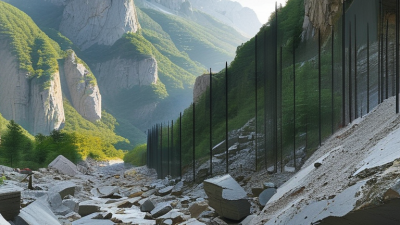
Terrain changes the installation plan. On steep ground, flexible fencing can follow contours better than rigid panels. Rocky soil may require surface-mounted posts or carefully planned drilling. In cold regions, frost heave can lift posts and loosen gates. Hot, dry conditions can shrink timber and increase tension problems. Leave enough room for machinery, drainage, and emergency access. I once planned too tightly, and later expansion became expensive. That mistake was avoidable.
Tips: Walk the boundary after heavy rain and during strong winds. Mark low spots, animal paths, and areas where vehicles turn. Choose gates wide enough for future equipment. Keep spare posts and connectors on site. Ask a local agricultural adviser or experienced fencing contractor to review pressure points. Their advice may reveal risks that a site drawing misses. Check fences seasonally, even when everything looks fine. Small gaps become large problems. A modular layout also makes future paddock division simpler, especially when herd size or grazing plans change.