China Best Stainless Crimped Wire Mesh Supplier?
China is a major source of stainless steel products, but production scale alone cannot identify the best mesh supplier. The International Stainless Steel Forum’s Stainless Steel in Figures 2024 reports global stainless crude steel production of about 58.4 million tonnes in 2023. That figure gives useful industry context. It does not measure crimped wire mesh output or verify any individual factory.
For buyers, supplier quality is visible in the details. Ask for the stainless grade, wire diameter, aperture, mesh width, and dimensional tolerances in writing. Request a production sample and compare its openings and crimp pattern with the approved specification. ASTM E2016-22, the Standard Specification for Industrial Woven Wire Cloth, can help frame discussions about woven mesh requirements. It does not replace application-specific testing or a clear purchase specification. Numbers help. So do traceable material documents, consistent inspection records, and direct answers about production limits. Check how the supplier handles changes between sample approval and bulk production. A polished catalogue is not proof of consistency.
Choosing a China Stainless Crimped Wire Mesh supplier takes more than comparing unit prices. Ask how the mesh will perform under your actual screening, filtration, or protective conditions, and confirm any relevant tests before ordering. A small sample may reveal uneven crimps that a datasheet misses. That matters. No single certificate guarantees a perfect shipment, and even a careful review has limits. The strongest shortlist combines documented specifications, verifiable quality practices, and clear communication—not claims of being “the best.”
What Is Stainless Crimped Wire Mesh?
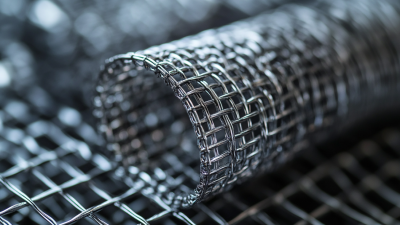
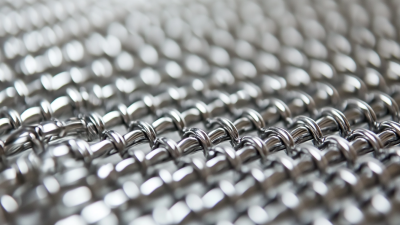
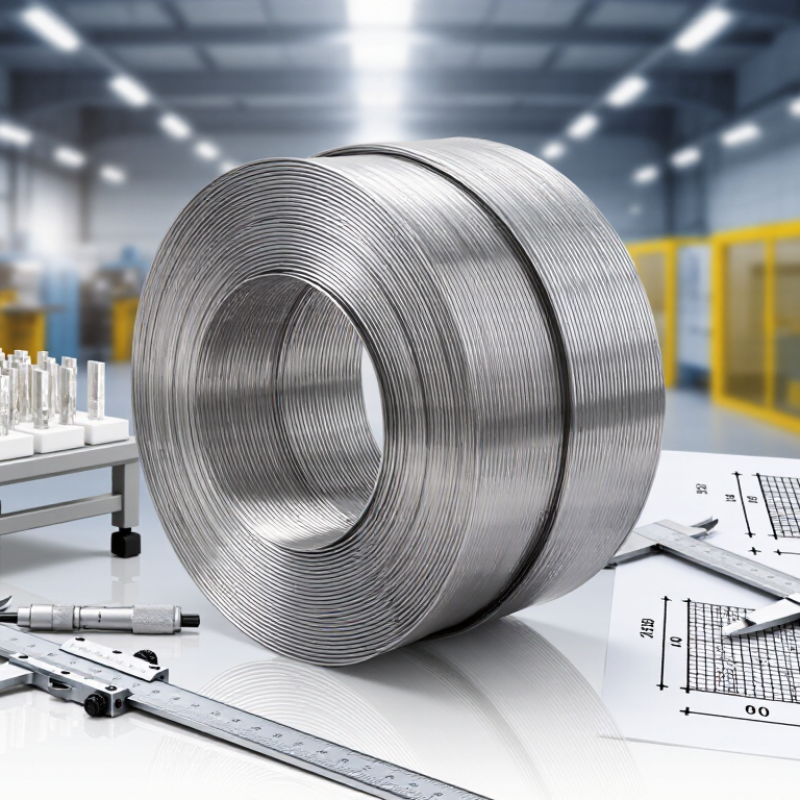
Stainless crimped wire mesh is woven from wires that have been shaped into repeated bends before weaving. These crimps help hold each wire in position, creating regular openings and a firm, structured sheet. It is used for screening, filtration, guards, and architectural panels. Stainless grades such as 304 and 316 are common, but their corrosion resistance depends on the environment. Salt spray and cleaning chemicals can change the choice.
The material sits within a large industry: World Stainless reported 58.4 million tonnes of global stainless crude steel production in 2023. This figure describes stainless steel production, not crimped mesh output, but it shows the scale of the material supply base. Still, a high-grade label alone proves little. Wire diameter, opening size, crimp pattern, and weave all affect strength and flow. Small mismatches matter.
Tips: Ask for a sample and verify its opening size and wire diameter. Check the grade certificate, too. Compare the mesh in the conditions where it will work, not just in a catalogue photo. Some choices are less obvious than they seem; a tighter opening may improve screening but reduce flow. A dependable supplier should explain these trade-offs and provide measurable specifications.
How Is Stainless Crimped Wire Mesh Manufactured?
China Best Stainless Crimped Wire Mesh Supplier?
How Is Stainless Crimped Wire Mesh Manufactured?
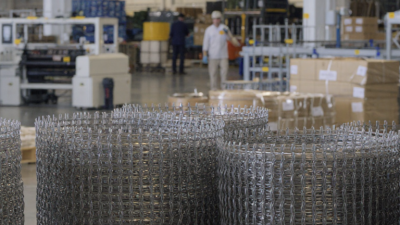
Manufacturing starts with stainless steel wire selected for the required strength, opening size, and working environment. The wire is drawn to a specified diameter, then cleaned and straightened. Depending on its condition, it may also be annealed to improve flexibility. Small differences in wire diameter can affect the finished mesh, so incoming material checks matter.
A crimping machine presses regular bends into the wire before weaving. These bends help the wires lock together and keep the openings consistent. Operators adjust the crimp depth and spacing to suit the mesh design. The prepared wires are then woven in alternating directions, with tension controlled to prevent loose sections or distorted edges. It takes careful adjustment. Too much tension can pull the mesh out of shape; too little may leave an uneven surface.
After weaving, the mesh is checked for opening size, wire diameter, flatness, and visible defects. Measurements should be taken at several points, not just near the edge. Some variation can still occur across a wide panel, especially after cutting or handling. That detail is easy to overlook. A reliable production record should connect inspection results to the material batch and finished product specifications.
Which Materials, Mesh Types, and Specifications Are Available?
Stainless crimped wire mesh is available in several grades, weave patterns, and opening sizes. Grade 304 suits many indoor and general-purpose applications; grade 316 adds molybdenum for better resistance to chloride exposure. Grade 316L is often selected for welded assemblies, while 430 offers a magnetic, lower-cost option where corrosion demands are modest. The World Stainless report Stainless Steel in Figures 2024 records 58.4 million tonnes of global stainless-steel production in 2023. That scale supports broad material availability, but it does not guarantee every wire diameter or mesh opening is stocked.
Mesh choices include square or rectangular openings, with plain, intermediate, and lock crimp patterns. Crimp style affects rigidity and how securely wires hold position. Buyers should specify wire diameter, clear opening, mesh count, roll width, and tolerances; “mesh size” alone can mean different things. For example, a 1 mm opening with 0.8 mm wire behaves differently from the same opening with thicker wire. Ask for a sample and a dimensional inspection record. Catalog figures can look tidy; real production tolerances are less tidy.
Tip: Match the alloy to the actual environment, not just the purchase price. For coastal or washdown use, request corrosion guidance and confirm the stated grade with a material certificate. A small trial panel can reveal fit or cleaning issues before a larger order.
Where Is Stainless Crimped Wire Mesh Commonly Used?
Stainless crimped wire mesh is commonly used wherever materials need to be separated, supported, or guarded. In quarries, its rigid woven structure can screen gravel and crushed stone into different sizes. Mesh openings and wire thickness should match the material; oversized rocks can wear down a poorly chosen screen. The right setup matters.
In food and industrial processing, stainless mesh may serve as a drying surface, sifting screen, or protective guard. The suitable steel grade and surface finish depend on cleaning methods, moisture, and the material being handled. Food-contact requirements also need checking for each application. Small details matter.
Architects and equipment builders use crimped mesh for infill panels, machine covers, and ventilation screens. Its open pattern allows airflow while helping block larger debris. In damp or corrosive settings, stainless steel can offer better resistance than ordinary carbon steel, though it is not maintenance-free. I have seen specifications focus on opening size and overlook edge support. That can lead to sagging or awkward installation. A sample panel can reveal practical issues before a full order is placed.
How Can Buyers Evaluate Chinese Suppliers?
Evaluating a Chinese stainless crimped wire mesh supplier starts with a precise specification, not a low unit price. State the required stainless grade, wire diameter, opening size, mesh width, crimp pattern, and working conditions. Ask how measurements are taken and which tolerances production can maintain. A polished quotation helps, but it cannot replace a technical drawing or physical sample. Small details matter.
Request material certificates, inspection records, and a clear explanation of how batches are identified. Check whether the supplier can provide consistent mesh tension, clean edges, and secure packaging for transport. Compare a sample against your actual application; inspect the openings with calipers and look for uneven crimps or damaged wires. Ask who handles quality checks and how problems are documented. A checklist will not catch everything, and buyers sometimes overlook packaging until delivery. Ask again if an answer feels vague.
Tips: Send the same specification to each supplier for a fair comparison. Keep written records of agreed dimensions, tolerances, and sample changes. Before placing a large order, confirm that the production sample matches the approved one.
How Buyers Can Evaluate Chinese Stainless Crimped Wire Mesh Suppliers
Suggested evaluation weights for comparing suppliers. These are buyer-defined priorities, not market survey results.
Request material certificates and traceability records, verify mesh and wire dimensions against your specification, and review crimp integrity and corrosion-test evidence. Adjust the weights to match your application and score each supplier using the same evidence-based checklist.