


Why Do Farmers Use Barbed Wire?
Barbed wire has been a cornerstone of agricultural fencing for over a century, yet many people still wonder: Why do farmers continue to use such a seemingly simple and rugged product in the era of electric fences, GPS collars, and smart farms?
The answer lies in a powerful combination of cost-efficiency, durability, and proven effectiveness. In this article, we’ll explore what barbed wire is, its key advantages, why it's favored in farming, emerging industry trends, alternative use cases, and smart buying tips.
What Is Barbed Wire?
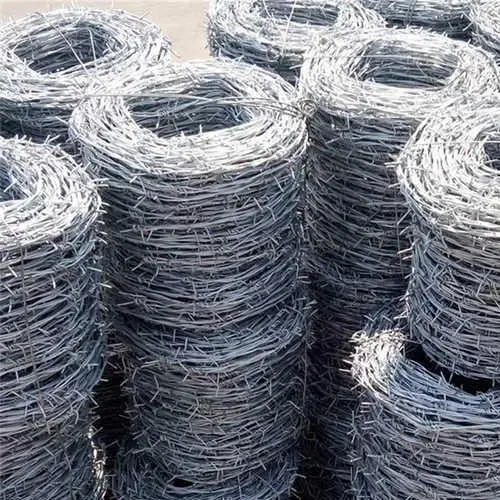
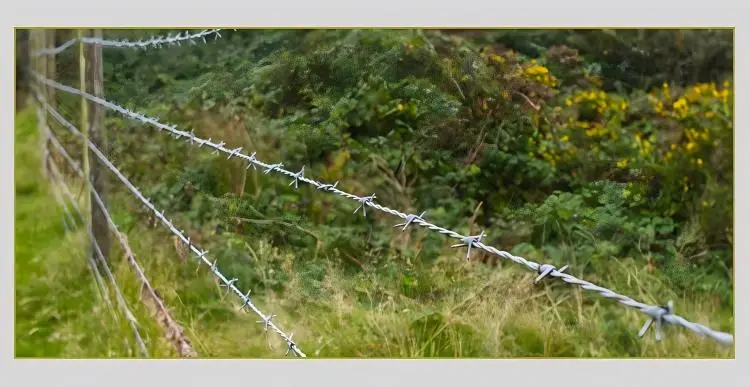
Barbed wire is a twisted wire fence with sharp edges or barbs spaced at regular intervals. The design is intended to deter animals—or humans—from crossing a boundary. Typically, it consists of two strands of galvanized steel wire twisted together, with barbs (short, sharp projections) tied in every 4–6 inches.
Originally patented in 1874 by Joseph Glidden, barbed wire played a transformative role in settling the American West, enabling farmers to protect land and livestock affordably and effectively. Today, it remains widely used not only in agriculture but also in security, construction, and wildlife management.
Why Farmers Use Barbed Wire?
1. Livestock Management and Containment
•Barbed wire’s primary agricultural use is to confine and protect livestock. It prevents animals such as cattle, sheep, and goats from:
•Escaping the property
•Wandering into crop zones or neighboring farms
•Coming into conflict with wild animals
•Animals quickly learn to avoid the painful barbs, reducing the likelihood of physical damage to fencing compared to smooth wire.
2. Cost-Effectiveness
•Farming operates on tight margins. Barbed wire fencing is:
•Cheaper than wood or electric fencing
•Low maintenance over long periods
•Accessible globally, from small-scale farms in Africa to large cattle ranches in the U.S.
•This makes it ideal for covering large areas where more expensive fencing would be economically unviable.
3. Durability
•High-quality barbed wire is made of galvanized steel, which resists corrosion and rust even in harsh climates. With proper installation and minimal maintenance, a barbed wire fence can last 10–20 years.
4. Versatility Across Terrains
•Whether fencing rocky hills, plains, forest boundaries, or desert edges, barbed wire can be installed with minimal infrastructure and adapts well to uneven terrain.
Barbed Wire in the Modern Agricultural Industry
Despite advances in agricultural technology, the barbed wire market remains strong, especially in regions focused on beef production, dairy farming, and mixed agriculture. Key market insights include:
Global barbed wire market size is projected to grow steadily, driven by rural development and land security concerns.
Demand is high in North America, South Asia, Sub-Saharan Africa, and Latin America—all regions with significant pasture-based farming.
Newer innovations include PVC-coated wire, rust-proof alloys, and barbed wire integrated with motion sensors in high-security farms.
Advantages of Barbed Wire
•Economical for long perimeters
•Effective livestock control
•Minimal maintenance
•Easily repaired or extended
•Widely available and easy to transport
Buying Guide
When purchasing barbed wire for agricultural use, consider the following:
1. Wire Gauge
Common gauges: 12.5 (heavy-duty) to 15.5 (light-duty)
Thicker wire (lower gauge) is better for large animals and high-tension installations
2. Barb Spacing
4" spacing: More aggressive deterrent (good for cattle)
5–6" spacing: More economical for lower-pressure fencing
3. Coating and Material
Galvanized wire resists rust and is ideal for most climates
PVC-coated barbed wire offers added weather protection and visibility
4. Strand Type
Two-strand twist: Standard and strong for most farm applications
Single strand: Lightweight but less durable
5. Compliance
Check local laws—some regions restrict or ban barbed wire near public roads or residential areas
Final Thoughts
While it may seem low-tech, barbed wire remains one of the most reliable and cost-effective tools in the agricultural toolbox. It balances practicality with performance, offering farmers a dependable solution to livestock containment and land protection.
Whether you're managing a 5-acre homestead or a 5,000-acre cattle ranch, barbed wire can be a smart investment—if chosen and installed correctly.