


Who Uses Razor Wire?
Razor wire is one of the most effective and intimidating forms of physical security available today. Known for its sharp-edged blades and powerful deterrent appearance, it is widely used in both military and civilian security applications. But who actually uses razor wire, and why is it preferred over other types of fencing? Let's take a closer look at its main users and the reasoning behind each.
1. Military and Defense Facilities
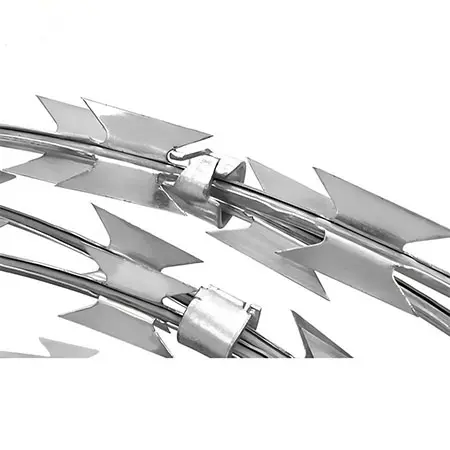
The military was one of the first sectors to adopt razor wire on a large scale. Military bases, border defense zones, and restricted compounds often rely on razor wire to create highly secure perimeters. Its main purpose is to prevent unauthorized access and delay potential intruders long enough for security forces to respond. In war zones or conflict areas, concertina razor wire—the coiled, expandable version—is deployed rapidly to form temporary barriers. Its portability and quick installation make it ideal for creating defensive perimeters under emergency conditions.
2. Prisons and Correctional Facilities
Correctional institutions are probably the most iconic users of razor wire. Around the world, you can spot its sharp coils lining the top of prison fences. The goal is not only to prevent escape but also to discourage any attempt to climb over or tamper with the boundary. Razor wire is preferred over traditional barbed wire because of its greater psychological impact and physical effectiveness. The sharp blades cause serious injury upon contact, serving as a powerful deterrent against climbing or cutting through.
3. Government and Critical Infrastructure
Airports, power plants, water treatment stations, and other critical infrastructures use razor wire to protect against trespassing, vandalism, and terrorism. These are sites where even a brief security breach could have serious consequences. For example, energy companies often install razor wire coils along the top of fences surrounding substations and power transmission sites. The combination of fencing, CCTV, and razor wire creates a layered security system—a key concept in modern facility protection.
4. Private Industrial and Commercial Sites
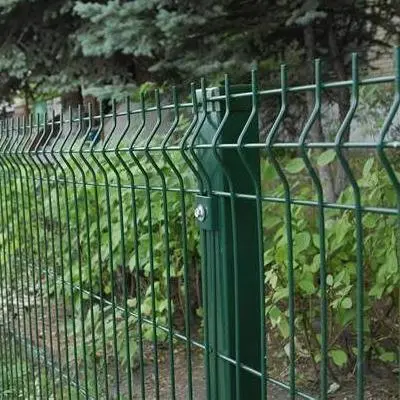
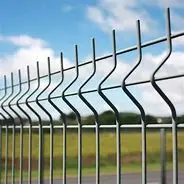
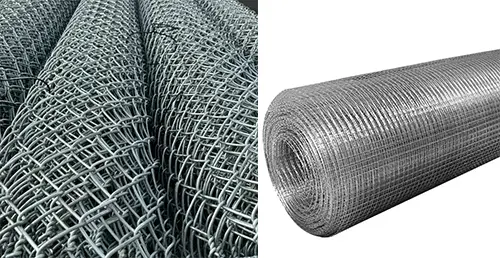
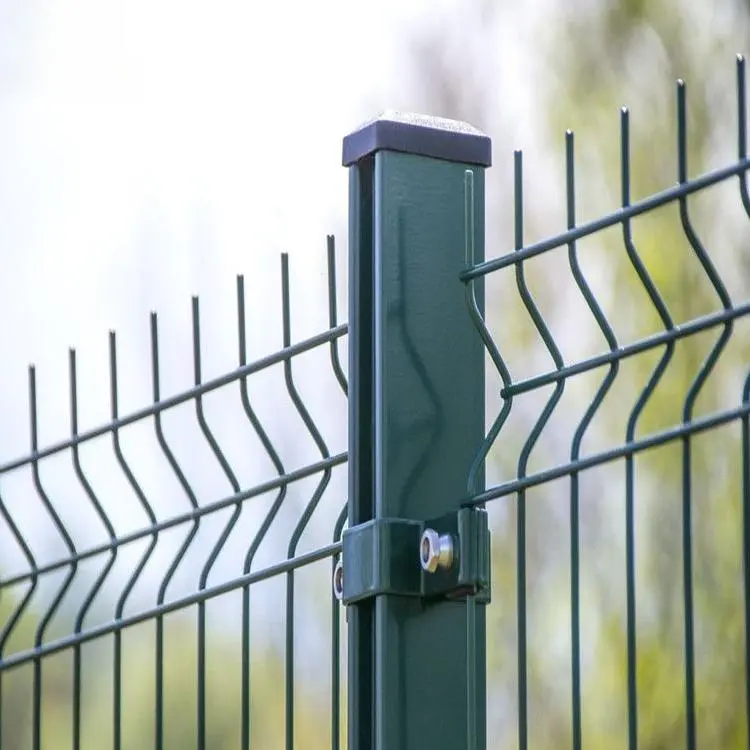
Factories, logistics centers, and warehouses often choose razor wire as a cost-effective way to enhance perimeter security. While electronic surveillance systems detect intrusions, razor wire prevents them in the first place. Razor wire can be installed along chain link, 358 anti-climb, or V mesh fences, adding both a visual warning and a physical barrier. For large-scale industrial areas, this dual protection—deterrence and delay—is critical.
5. Residential and Agricultural Users
Although less common, razor wire also appears in private or rural settings—especially in areas with high crime rates or where property boundaries cover large areas. In agriculture, razor wire helps secure livestock farms or storage areas against theft or wild animal intrusion. For residential use, it's often combined with aesthetic fencing designs or coated in PVC to make it blend better with the surroundings while maintaining its defensive strength.
6. Border Control and National Security Agencies
At international borders, razor wire plays a crucial role in preventing illegal crossings. Border security agencies deploy kilometers of concertina razor wire to create temporary or permanent barriers. Its strength lies in the ability to be quickly deployed, easily transported, and highly effective in both urban and remote terrains. In this context, razor wire is not just a passive fence—it's part of a broader security strategy that includes surveillance, patrols, and physical deterrence.
7. Construction and Temporary Security
During construction projects or events, security companies often use mobile razor wire fences to protect valuable materials and equipment. These temporary setups prevent unauthorized entry during off-hours and can be relocated easily. This flexibility makes razor wire a popular choice for temporary high-risk zones—from disaster relief camps to military outposts.
Conclusion: More Than Just Sharp Metal
Razor wire is not simply a tool of intimidation—it's a strategic security asset used across sectors that require both deterrence and delay. From military defense to private property protection, its value lies in its combination of visibility, resilience, and efficiency. Whether used to protect a nation's borders or a factory's inventory, razor wire remains a timeless symbol of high security—sharp, visible, and reliable.