


Which Fencing is Best for Agricultural Land?
When it comes to protecting crops and livestock, the type of fencing you choose for agricultural land is crucial. The right fence not only secures your farm but also withstands the challenges of rural environments — such as weather, animals, and maintenance needs. Let's explore the most common fencing options and see which one best suits different types of agricultural land.
1. Barbed Wire Fencing
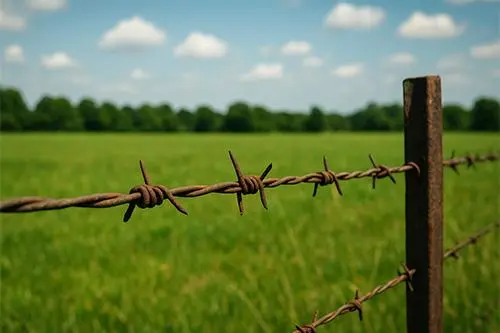
Barbed wire fencing is one of the most traditional and cost-effective fencing choices for farms. It consists of two or more steel wires twisted together with sharp barbs at regular intervals.
Advantages:
•Inexpensive and quick to install
•Effective for containing large livestock like cattle or goats
•Low maintenance and long-lasting
Drawbacks:
•Can injure animals, especially horses or smaller livestock
•Doesn't prevent small predators or wildlife from entering
Best for: Large open pastures or cattle farms
2.Woven Wire Fencing (Field Fence)
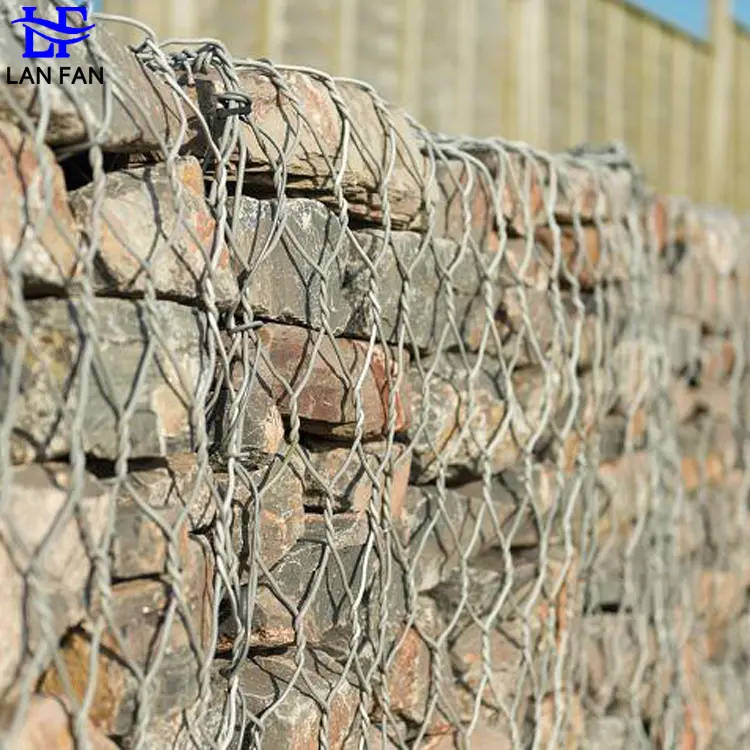
Woven wire fencing, also known as field fence, is made by weaving horizontal and vertical wires to form rectangular or square mesh openings. It's one of the safest and most versatile fencing types.
Advantages:
•Strong, flexible, and animal-friendly
•Works for both large and small livestock
•Handles pressure without breaking easily
Drawbacks:
•More expensive than barbed wire
•Heavier and harder to install
Best for: Mixed livestock farms or uneven ground
3.Electric Fencing
Electric fencing uses a mild electric pulse to keep animals in or out. It can be used alone or combined with other fence types for added effectiveness.
Advantages:
•Affordable and easy to relocate (great for temporary pastures)
•Deters both livestock and predators
•Can be powered by solar energy
Drawbacks:
•Needs a steady power source and regular voltage checks
•Ineffective if vegetation grows against it
Best for: Rotational grazing systems and perimeter control
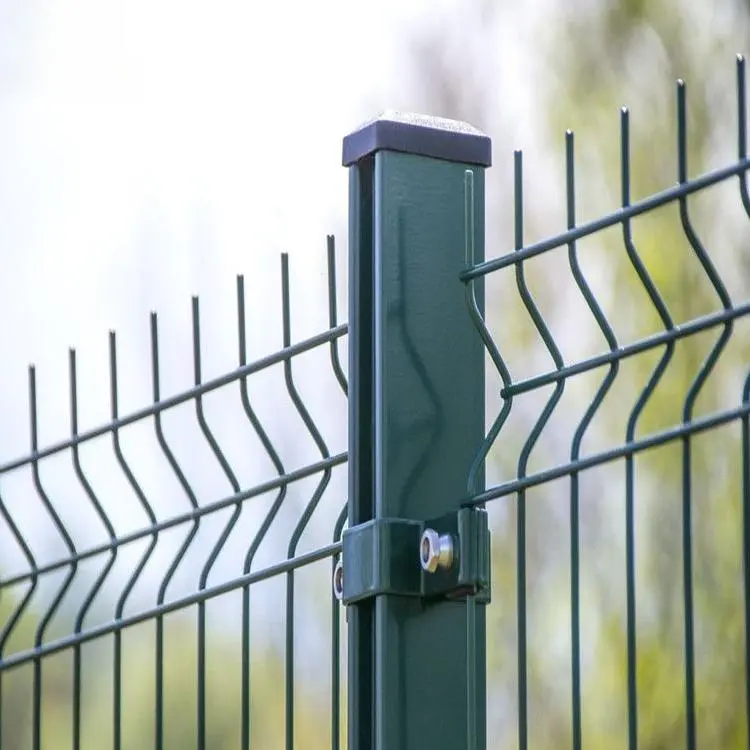
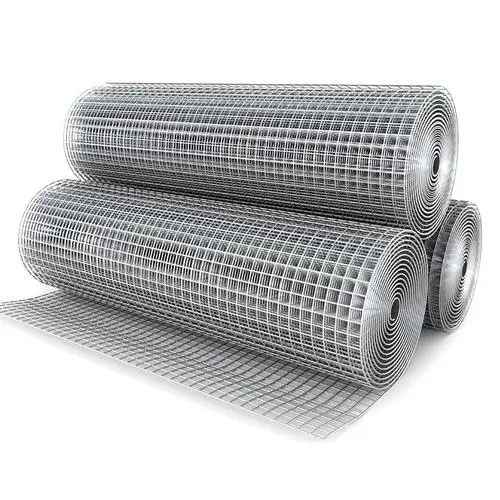
4.Chain Link and Mesh Fencing
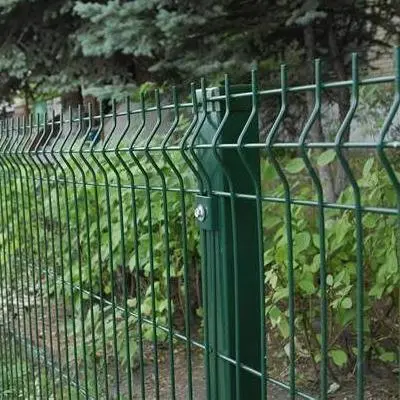
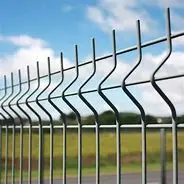
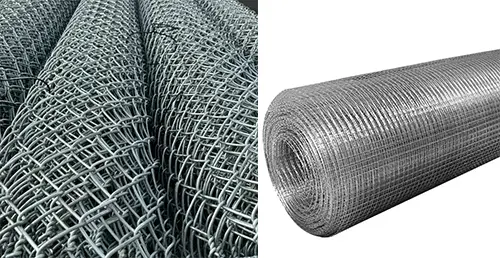
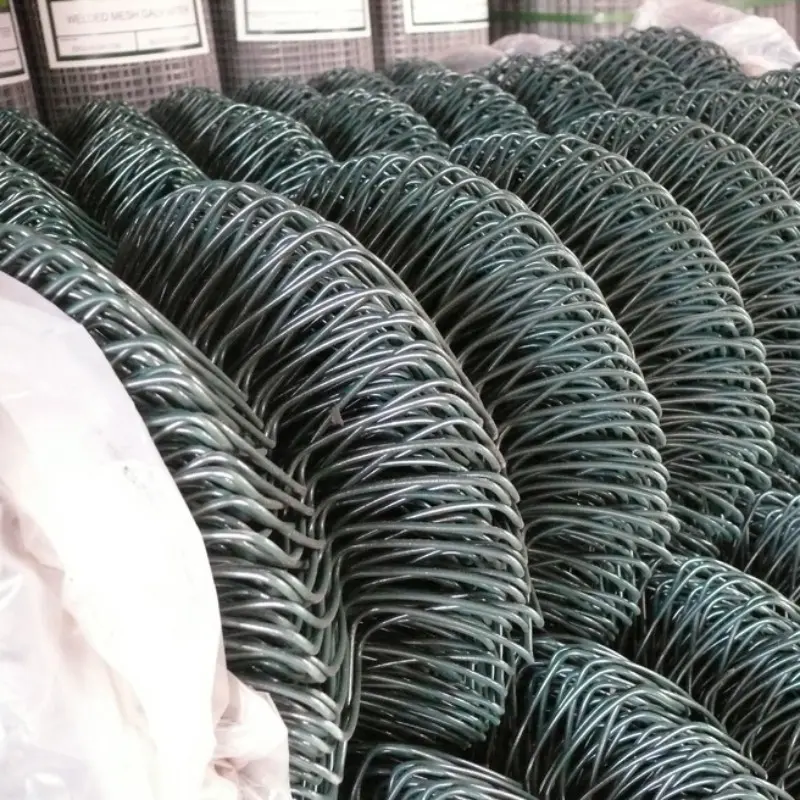
Chain link or welded mesh fences are durable and secure, making them ideal for high-value agricultural zones, gardens, or poultry areas.
Advantages:
•Long-lasting and corrosion-resistant
•Prevents entry of small predators
•Professional and neat appearance
Drawbacks:
•Higher material and labor costs
•Requires skilled installation
Best for: Poultry farms, small livestock, or property boundaries
5. Wooden Post and Rail Fencing
Wooden post and rail fences are traditional, elegant, and safe for animals, making them a favorite for horse farms and orchards.
Advantages:
•Visually appealing and natural-looking
•Safe — no sharp edges or barbs
•Strong and long-lasting with proper treatment
Drawbacks:
•Higher initial cost and requires maintenance
•Can rot or warp over time if untreated
Best for: Horse paddocks, fruit farms, or aesthetic property boundaries
Which One Should You Choose?
The best fencing depends on your farm's purpose, animals, and budget:
•For large livestock → Barbed wire or field fence
•For mixed animals → Woven wire
•For temporary or flexible use → Electric fence
•For maximum protection → Chain link or welded mesh
•For aesthetic appeal → Wooden post and rail fence
Before installation, always consider your local climate, soil condition, and maintenance capability. A durable, well-installed fence is an investment that will protect your agricultural land for years while improving efficiency and peace of mind.