


What is the Cheapest Way to Fill a Gabion?
Gabion walls and baskets are widely used in landscaping, retaining walls, and erosion control because they are strong, eco-friendly, and versatile. However, the biggest expense in building a gabion isn't the wire cage itself—it's the fill material. Choosing the right filler can make the difference between a cost-effective project and one that exceeds your budget.
If you're wondering how to build a low-cost gabion wall, here are the cheapest and most practical ways to fill gabion baskets without sacrificing durability or aesthetics.
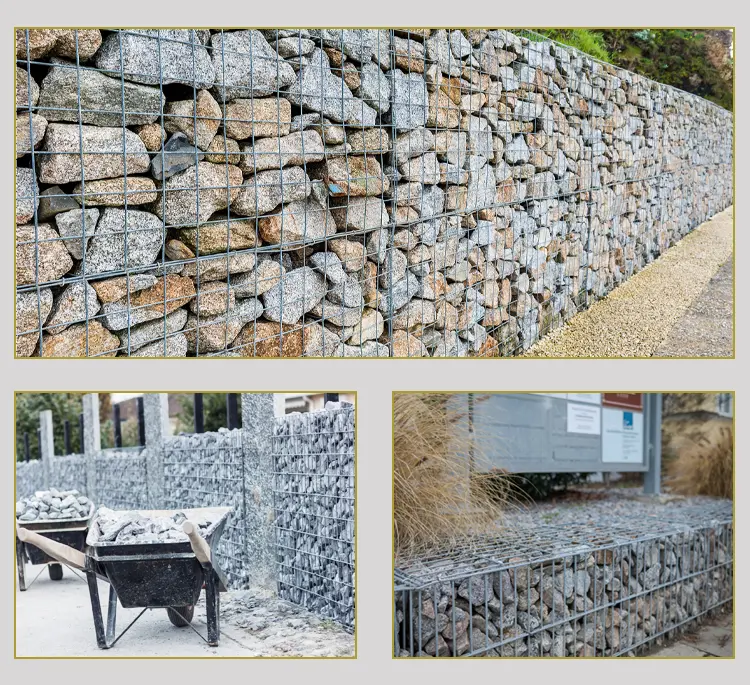
1. Use Locally Available Stones
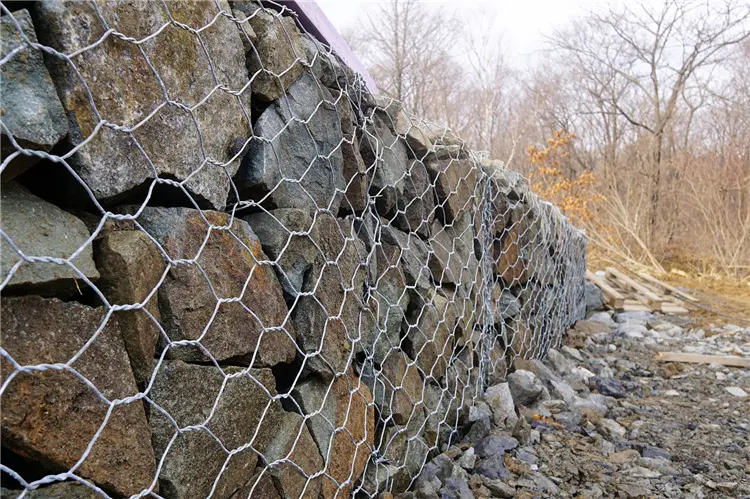
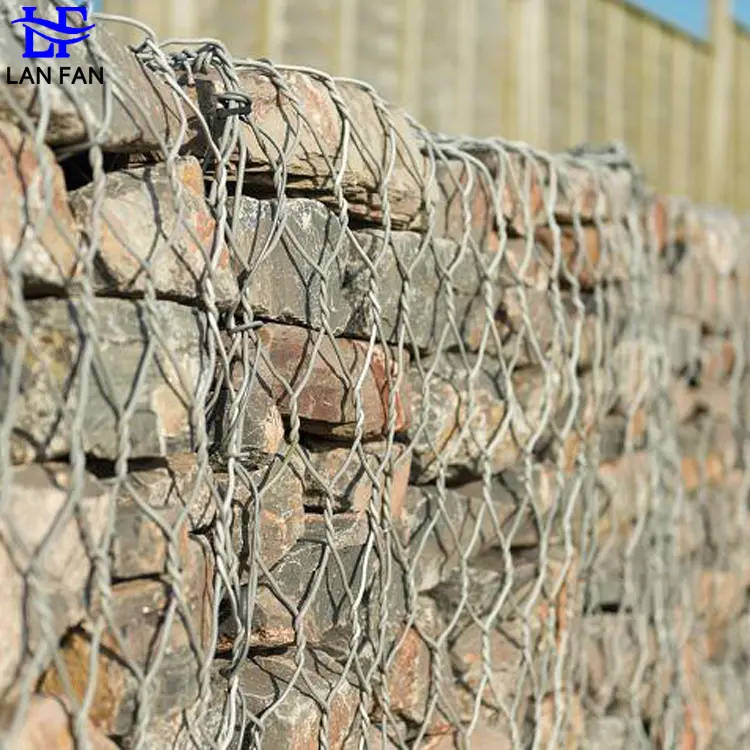
One of the simplest ways to cut costs is to use local stone for gabion filling. Transporting materials long distances often costs more than the stone itself. Check nearby quarries, riverbeds, or construction sites for affordable options.
Best choice: angular rocks, since they lock together and prevent shifting.
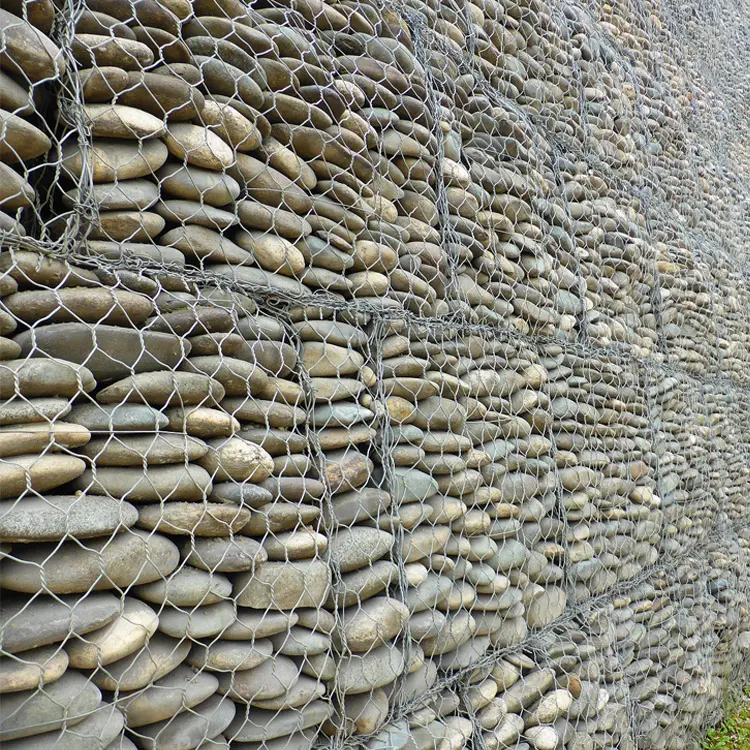
•Avoid: round pebbles or very small stones, as they may slip through the mesh.
•By using local rock gabion fill, you reduce transportation costs and make your project more sustainable.
2. Recycled Concrete and Demolition Rubble
Another cheap gabion fill option is to repurpose materials that would otherwise go to waste. Recycled concrete, broken bricks, and demolition rubble are widely available at low or no cost.
For a more polished look, place attractive stone on the visible face of the gabion and fill the inner core with rubble. This method gives you the appearance of a high-end wall at a fraction of the price.
3. Combine Premium and Budget Materials
A smart technique for an affordable gabion wall is mixing different fillers:
•Visible side: high-quality stone for aesthetics.
•Inside core: cheaper filler like quarry waste, rubble, or crushed concrete.
This layered method ensures stability, saves money, and still delivers an appealing finish.
4. Quarry Waste and Stone Offcuts
Stone quarries often produce irregular offcuts and leftover pieces that can't be sold for premium projects. These materials are usually much cheaper but still strong enough to use as gabion rock fill. If you're building a large gabion wall, sourcing quarry waste can dramatically lower your expenses while maintaining strength and longevity.
5. Alternative Materials for Decorative Gabions
Not all gabions need to hold back soil. If your gabion is decorative, you can get creative with unconventional fillers such as:
•Logs or timber offcuts
•Glass bottles or recycled glass chunks
•Wood chips or lightweight stones
These options work well for garden features or cheap gabion landscaping projects, but they’re not recommended for structural retaining walls.
Cheapest but Strong Options
While saving money is important, don’t forget that gabions rely on strong, stable filler to maintain integrity. Avoid fillers like soil or sand that can erode or settle. For the best balance of cost and performance, recycled concrete, quarry waste, and local stone are the top choices.
Conclusion
The cheapest way to fill a gabion is by using locally sourced materials, recycled rubble, or quarry waste. For even greater savings, you can combine attractive stone on the outside with budget fillers in the middle. This approach creates a gabion wall that is affordable, durable, and visually appealing.
Whether you’re building a retaining wall, a garden feature, or a landscaping barrier, a little creativity with your filler choice can cut costs significantly—proving that gabion walls don’t have to be expensive to be effective.