


What is the Anti-Climb Fence?
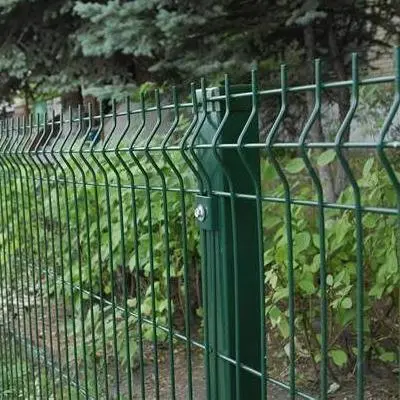
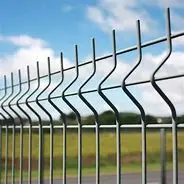
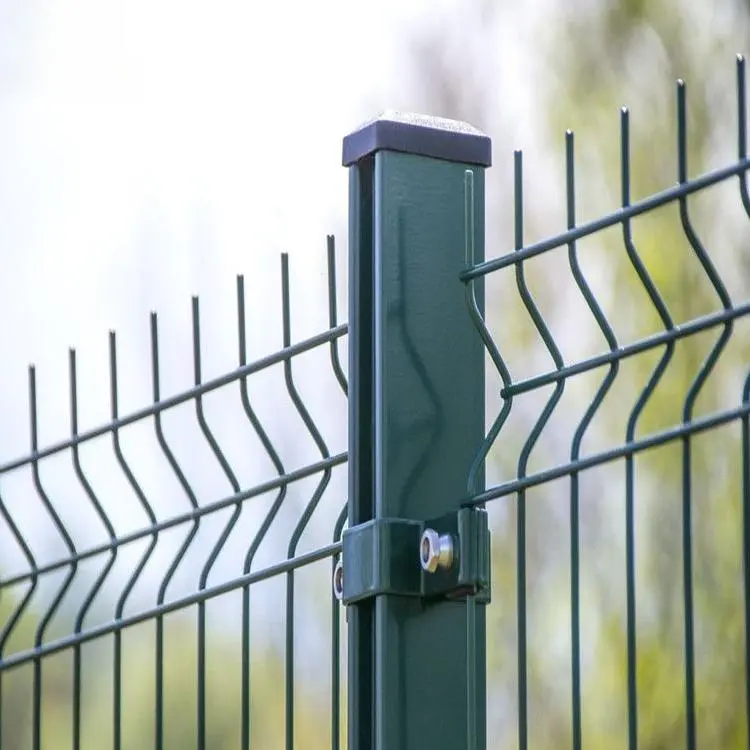
When it comes to modern security solutions, the anti-climb fence stands out as one of the most effective barriers against intrusion. Unlike traditional fencing systems, anti-climb fences are designed with specialized structures that make them extremely difficult to scale, cut, or breach. These fences are widely used in high-security environments such as airports, military bases, industrial facilities, prisons, and even residential areas where safety is a top priority.
Definition of the Anti-Climb Fence
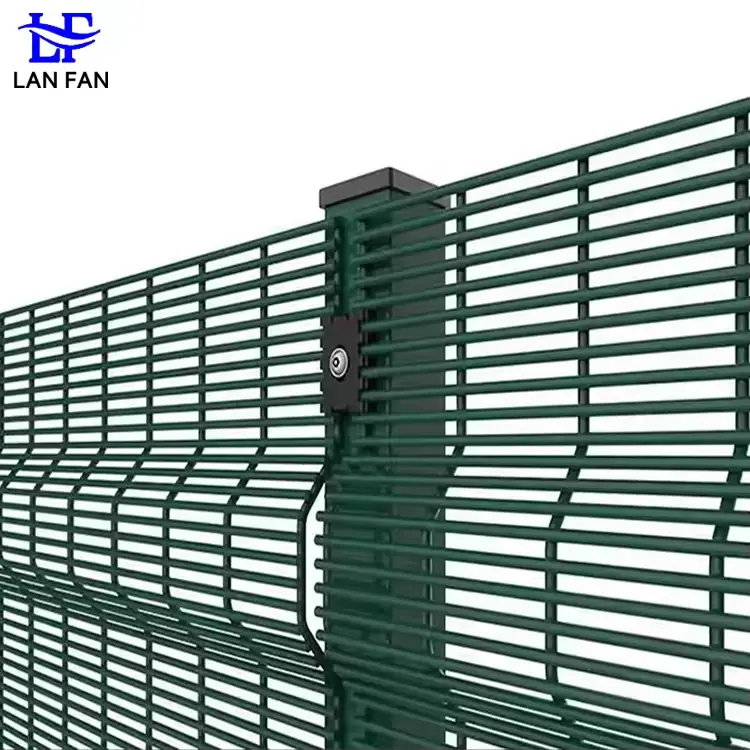
An anti-climb fence, as its name suggests, is a type of fencing specifically engineered to prevent climbing attempts. Among its many forms, the most recognized and widely used is the 358 fence, also called prison mesh or 358 high-security fence. The name “358” refers to its mesh size—3 inches × 0.5 inches, using 8-gauge wire (76.2 mm × 12.7 mm × 4 mm). The small aperture is the key to its anti-climb function, preventing fingers and tools from gaining a grip.
Key Characteristics
1. Difficult to Climb–Because of its narrow mesh apertures and flat panel surface, handholds and footholds are eliminated, which makes climbing nearly impossible - especially with the 358 fence.
2. High Cutting Resistance–The fence panels are made of thick welded steel wires that resist bolt cutters and hacksaws, which is a hallmark of 358 anti-climb fencing.
3. Visibility and Surveillance–Although it features a robust design, the mesh pattern still allows for clear visibility, which enables security guards and cameras to monitor perimeters without obstruction.
4. Durability–Anti-climb fences, especially the 358 types, are often hot-dip galvanized and powder-coated to resist rust, corrosion, and harsh weather.
Applications of Anti-Climb Fences
1. Prisons and Correctional Facilities: The 358 fence earned its nickname prison mesh for a reason—it is the standard choice for containing and controlling high-risk environments.
2. Airports and Transportation Hubs: 358 anti-climb fences secure runways, terminals, and restricted zones where both strength and visibility are essential.
3. Industrial Sites: Factories, warehouses, and energy plants rely on anti-climb fences to deter theft, vandalism, and accidents.
4. Military and Government Buildings: 358 high-security fences are deployed in sensitive areas that cannot afford intrusion risks.
5. Residential and Commercial Properties: In schools, gated communities, and estates, the anti-climb fence provides a balance of security and aesthetics.
Advantages over Traditional Fencing
1. Enhanced Security: Traditional wire fences can be climbed easily, while anti-climb fences like 358 mesh are engineered specifically to block such attempts.
2. Longevity: The galvanized and powder-coated surface ensures years of protection with minimal degradation.
3. Low Cost of Maintenance: Once installed, the anti-climb fence requires little upkeep compared to standard fencing.
4. Deterrence: The heavy-duty appearance of 358 mesh itself discourages intruders from attempting entry.
Final Thoughts
The anti-climb fence is more than just a barrier; it is a specially engineered security system. And at the center of this category is the 358 fence, it is the benchmark for high-security perimeter protection worldwide. By combining strength, durability, and visibility, anti-climb fences—especially 358 mesh—offer unmatched reliability for locations where safety cannot be compromised.