


What is Chain Link Fencing Used For?
Chain link fencing, also known as wire mesh fencing or cyclone fencing, is one of the most widely used fencing solutions in the world. Its durability, affordability, and versatility make it a go-to choice for residential, commercial, and industrial applications. In this article, we'll explore the key uses of chain link fencing, its benefits, and why it continues to be a trusted solution for property protection.
1. What is Chain Link Fencing?
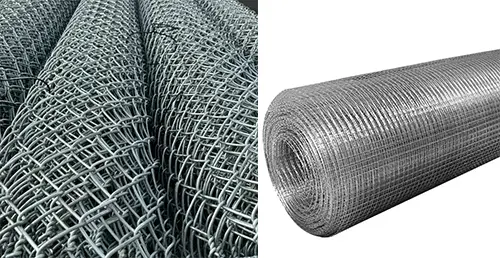
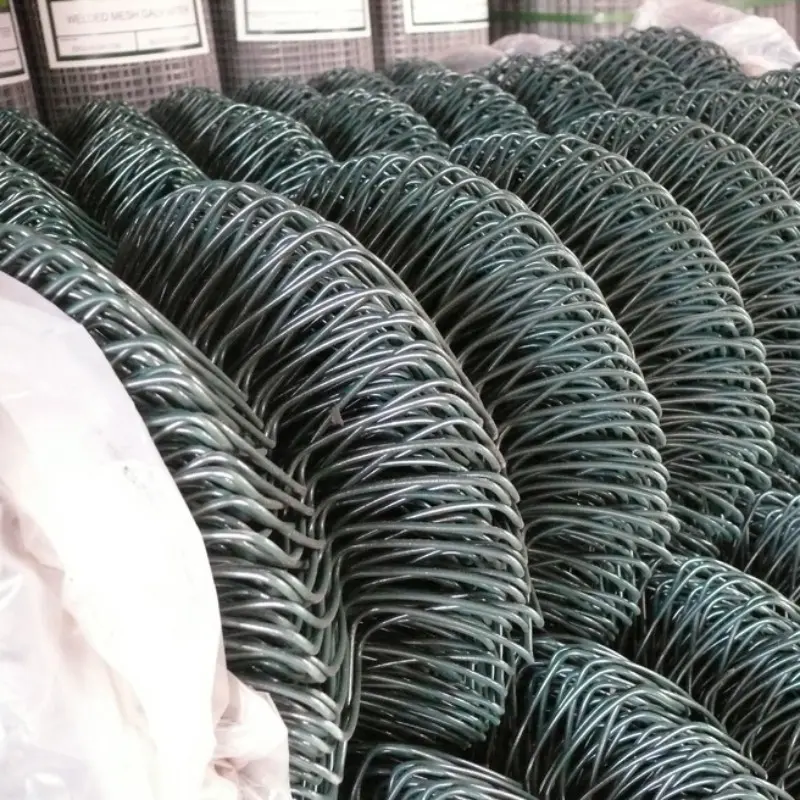
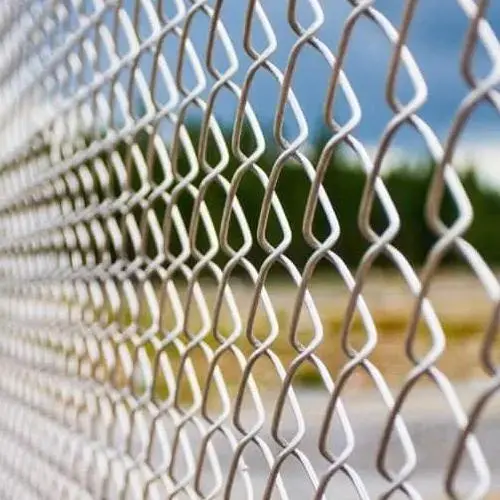
Chain link fencing is a woven fence made from galvanized or coated steel wire, forming a diamond-shaped mesh pattern. It is supported by steel posts set into the ground, offering a strong yet see-through barrier. Depending on the environment, chain link fences can be galvanized for rust resistance or PVC-coated for extra durability and aesthetic appeal.
2. Common Uses of Chain Link Fencing
2.1 Security for Residential Properties
Homeowners often use chain link fences to mark boundaries, keep pets within the yard, and prevent unauthorized access. While it may not offer complete privacy, its strength and height options make it effective in deterring intruders.
2.2 Commercial and Industrial Protection
Factories, warehouses, and construction sites frequently rely on chain link fences to secure valuable equipment and materials. They can be built taller, topped with barbed wire or razor wire, to enhance perimeter security.
2.3 Sports and Recreational Areas
Chain link fencing is the standard choice for sports facilities such as tennis courts, baseball fields, and basketball courts. It provides clear visibility for spectators while keeping the ball within play areas.
2.4 Agricultural and Animal Containment
Farmers use chain link fencing to contain livestock, poultry, and pets. It's sturdy enough to withstand animal pressure and can be built at various heights depending on the type of animal.
2.5 Public Infrastructure & Safety
You'll often find chain link fences around schools, playgrounds, highways, airports, and railway lines. These fences act as safety barriers, keeping people out of restricted areas and preventing accidents.
3. Advantages of Chain Link Fencing
Durability: Made from galvanized or coated steel, it resists rust, corrosion, and harsh weather.
Cost-Effective: Offers one of the lowest cost-per-meter solutions for fencing large areas.
Visibility: Allows light and air to pass through while providing a secure boundary.
Low Maintenance: Requires minimal upkeep compared to wooden or ornamental fences.
Versatility: Available in different heights, wire gauges, and coatings for various applications.
4. Choosing the Right Chain Link Fence
When selecting a chain link fence, consider:
Wire Gauge: Thicker wires provide greater strength.
Coating: Galvanized for standard protection, PVC-coated for extra durability and color options.
Height: Ranging from 3 feet for gardens to 12 feet or more for high-security areas.
Accessories: Options like privacy slats, barbed wire, and custom gates enhance security and aesthetics.
Final Thoughts
Chain link fencing remains a popular choice because it offers a balance of security, affordability, and visibility. Whether it's protecting a backyard, enclosing a sports court, or securing an industrial site, this fencing type delivers reliable performance with minimal maintenance.
If you're looking for a long-lasting and budget-friendly perimeter solution, chain link fencing might be exactly what you need.