


Learn How to Install Chain-Link Fence by Yourself
Installing a chain-link fence on your own can be a rewarding project. Not only does it save labor costs, but it also gives you full control over your property’s layout and security. With some preparation, the right tools, and careful steps, you can build a sturdy and long-lasting fence without professional help. This guide will take you through the process in clear and practical steps.
Step 1: Planning and Preparation
Before you start, check local building codes or neighborhood regulations, as some areas have restrictions on fence height or placement. Make sure your property lines are clearly marked to avoid disputes with neighbors. It is also important to call your local utility services to ensure you do not hit underground cables or pipes when digging.
Next, measure your area and mark where the fence will run. Use stakes and string to create a straight guideline. Mark terminal post locations first, which include corners, ends, and gate openings. Then evenly space the line posts, usually 6 to 10 feet apart.
Step 2: Gather Tools and Materials
You will need a post-hole digger or auger, a shovel, a level, pliers, wrenches, and a fence stretcher or come-along. Materials include chain-link mesh, terminal and line posts, concrete mix, top rails, post caps, tension bars, bands, tie wires, and if needed, a gate kit with hinges and latch.
Step 3: Setting the Posts
Dig holes for your posts about 6 to 8 inches wide and roughly one-third the length of the post deep. For example, an 8-foot post should be set about 2 to 3 feet deep. Add gravel at the bottom of each hole for drainage, then place the post inside. Fill the hole with concrete, checking that the post remains straight and plumb with a level. Allow the concrete to cure for at least 24 hours before moving to the next step.
Step 4: Installing Rails and Hardware
Once the posts are secure, slide the tension bands, brace bands, and post caps onto the terminal posts. Connect the top rail using rail ends and bolts, threading it through the loop caps of the line posts. This creates the frame that will hold the chain-link mesh in place.
Step 5: Attaching the Chain-Link Mesh
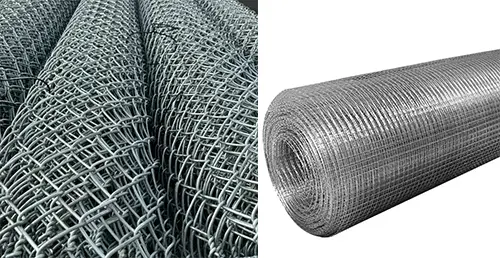
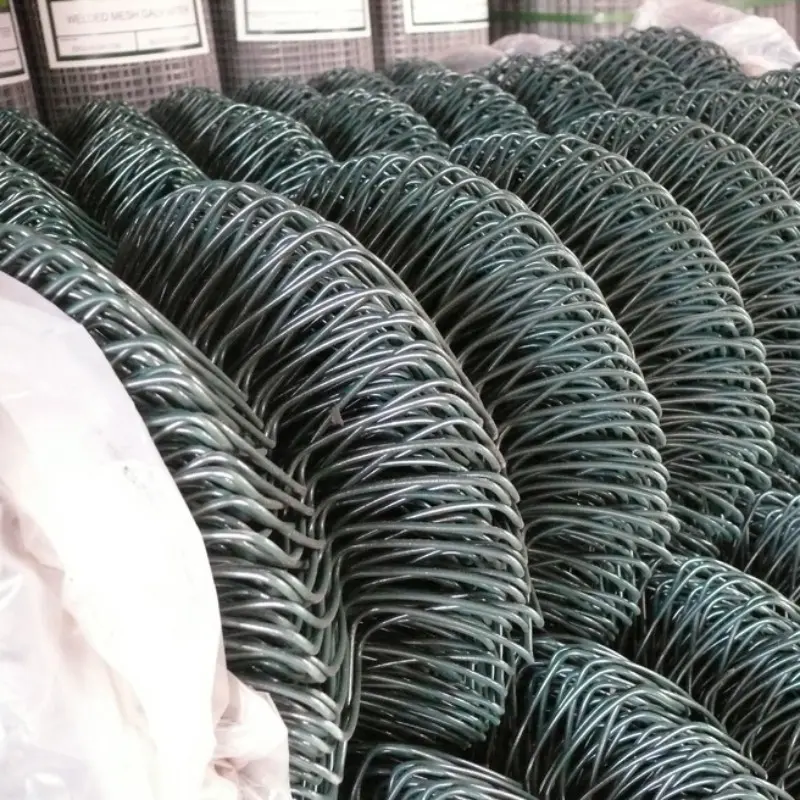
Unroll the chain-link fabric along the fence line. Starting at one terminal post, insert a tension bar through the end of the mesh and secure it to the tension bands. Use a fence stretcher or come-along to pull the mesh tightly toward the next terminal post. Once stretched, insert another tension bar and secure it to the opposite post. The fabric should be taut and straight, without sagging.
Step 6: Securing the Fence
Tie the mesh to the top rail and line posts using tie wires, spacing them evenly. For added strength, install a tension wire at the bottom of the fence and secure it to the mesh with hog rings. This helps prevent the fence from being pushed outward at ground level.
Step 7: Installing the Gate
If your fence includes a gate, install the hinges onto the gate post, positioning them about 8 inches from the top and bottom. Hang the gate and adjust it so it swings freely. Attach the latch to complete the installation.
Step 8: Finishing Touches and Maintenance
Walk along the fence line and check that all connections are tight and the fence is aligned properly. Tighten any loose hardware and make sure the mesh is secure. Over time, inspect the fence regularly for signs of wear or loose ties. A properly installed and maintained chain-link fence can last 20 to 30 years, especially if it is galvanized or coated.
Conclusion
Building your own chain-link fence may seem like a big task, but with preparation and the right steps, it is very achievable. You will need some time, patience, and perhaps a helper, but the result is a strong, secure, and cost-effective boundary for your property. Doing it yourself not only saves money but also brings the satisfaction of completing a practical and useful project on your own.