


How to Fill a Gabion: A Step-by-Step Guide
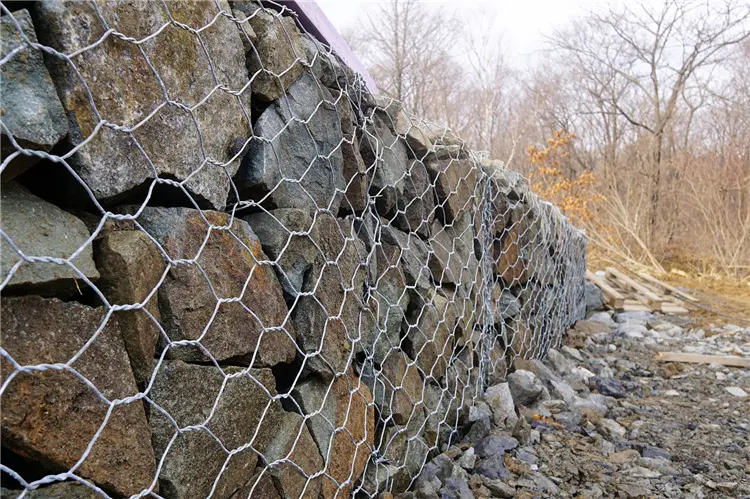
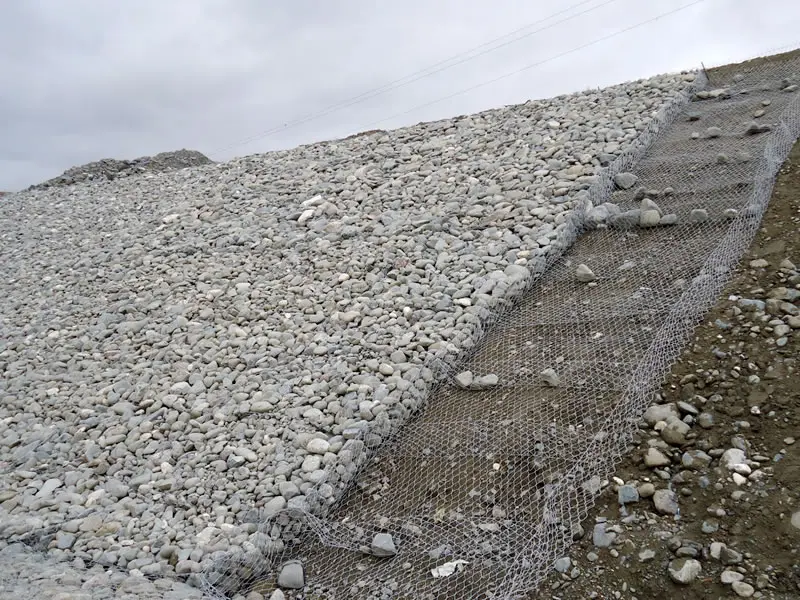
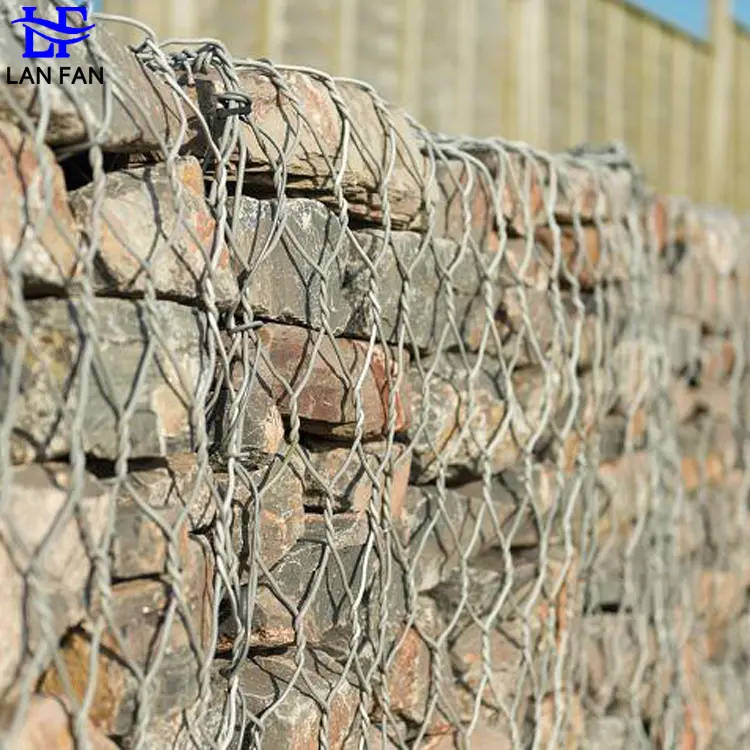
Gabions are one of the most versatile and sustainable solutions in modern landscaping, erosion control, and architectural design. Essentially, they are wire mesh cages filled with stones or other durable materials. Their applications range from retaining walls and riverbank protection to garden features and decorative facades. While the cage provides structure, the true strength and beauty of a gabion come from how it is filled. Doing this properly ensures not only durability but also aesthetics.
In this article, we'll explore how to fill a gabion step by step, along with some professional tips that make a real difference.
1.Choose the Right Fill Material
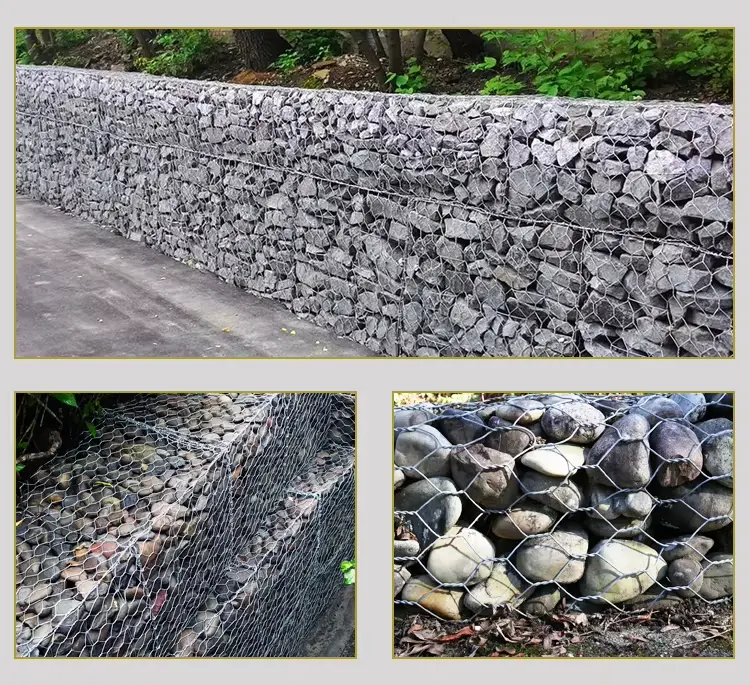
The choice of fill is more than just practical—it defines the character of the structure. Common materials include:
- Natural stones (granite, basalt, limestone): Durable and visually striking.
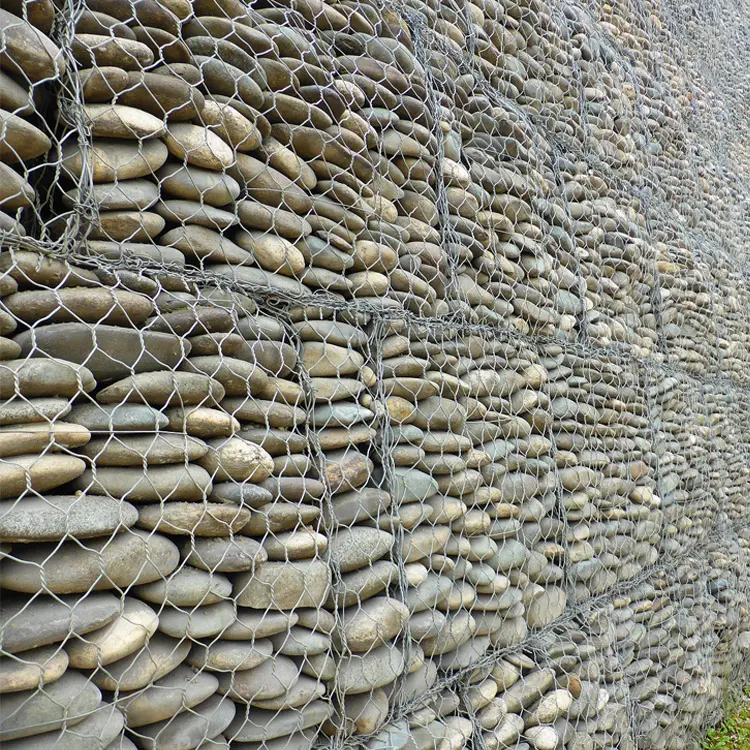
- River rocks or rounded cobbles: Softer appearance, good for landscaping.
- Recycled concrete: Cost-effective and eco-friendly for large projects.
- Decorative stones or glass: Often used in architectural or garden designs for visual appeal.
When selecting fill, prioritize durability, size, and shape. Stones should generally be larger than the mesh opening to avoid slipping out.
2.Prepare the Base
Before filling, ensure the gabion baskets are installed on a stable, level foundation. A compacted gravel bed or a concrete footing is commonly used for large retaining walls. Proper base preparation prevents shifting or settling that could compromise stability.
3.Position the Gabion Baskets
Erect the empty gabion cages and secure them together with binding wire or spirals. Check that they are aligned and squared. For multi-layered gabions, it’s important to tie vertical joints securely so the structure behaves as one solid unit.
4.Start Filling from the Corners
Corners and visible faces are the most noticeable parts of a gabion wall. Begin filling these areas with carefully chosen flat or angular stones, positioning them neatly by hand. This not only enhances appearance but also locks the outer face tightly, reducing bulging under pressure.
5. Fill the Interior Efficiently
Once the edges are set, fill the interior with less visually critical material. You can use broken stones, recycled concrete, or irregular pieces that still maintain structural strength. For tall baskets, work in layers—fill about 1 foot (30 cm) at a time and compact gently before proceeding upward. This prevents voids and uneven settlement.
6. Use Diaphragms for Stability
Most gabion baskets come with internal diaphragms (wire mesh dividers) to prevent the stones from shifting. Always fill each compartment evenly. This distributes weight across the structure and minimizes bulging.
7. Maintain a Level Surface
As you progress, make sure the top surface remains level. Uneven filling can distort the gabion and place unnecessary stress on the mesh. Please keep adjusting stone placement to balance the load.
8. Close and Secure the Lid
Once filled, fold the mesh lid over the stones and tie it down tightly with binding wire or C-rings. Ensure that the lid fits snugly, and no gaps remain where stones could spill out. For stacked walls, this also provides a firm base for the next layer.
9. Finishing Touches
Step back and inspect the wall. Adjust visible stones on the outer face for a neat, consistent look. In landscape projects, you may also want to integrate plants or lighting around the gabion to enhance aesthetics.
Expert Tips
- Choose angular stones over rounded onesfor better interlocking and stability.
- Avoid small stonesthat could wash out or fall through the mesh.
- Layer with intention—flat stones on the outside, filler inside.
- Think long-term—consider drainage, vegetation, and weathering effects when selecting fill.
Conclusion
Filling a gabion may seem straightforward, but attention to detail makes the difference between a structure that merely functions and one that lasts for decades while looking great. By carefully selecting fill materials, organizing them strategically, and following a step-by-step approach, you can build gabion structures that are both strong and aesthetically pleasing.