


Gabion vs. Retaining Wall: Which One Should You Choose?
When it comes to stabilizing slopes, preventing soil erosion, and managing landscape elevation changes, homeowners, engineers, and landscapers often debate one key question: Is a gabion better than a traditional retaining wall? Both solutions have a same purpose—holding back earth, but they also have many differences in material, installation, cost, and performance. So you can select a suitable solution.
What Is a Gabion?
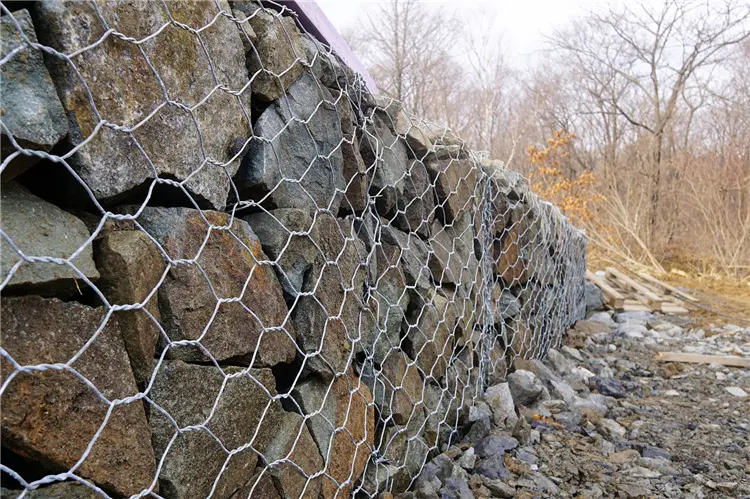
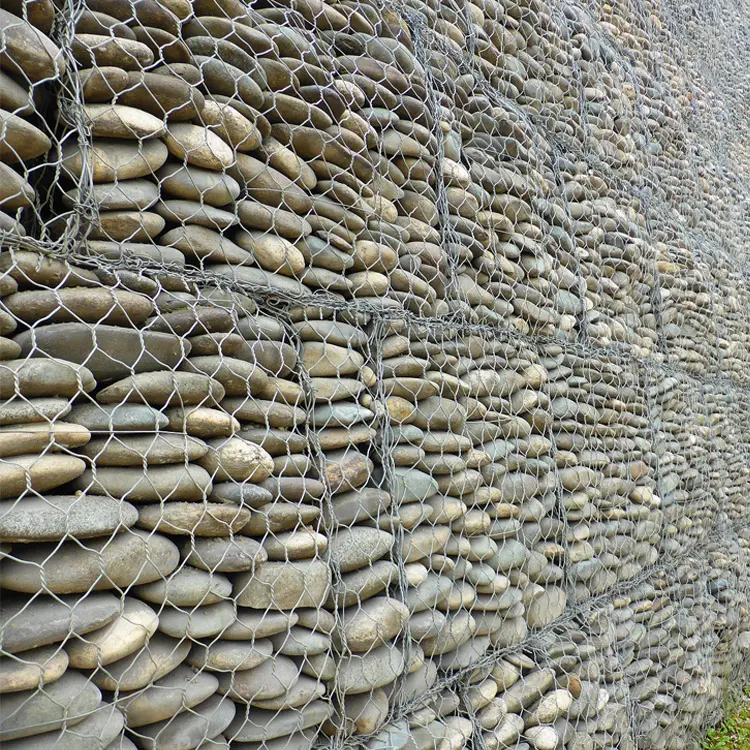
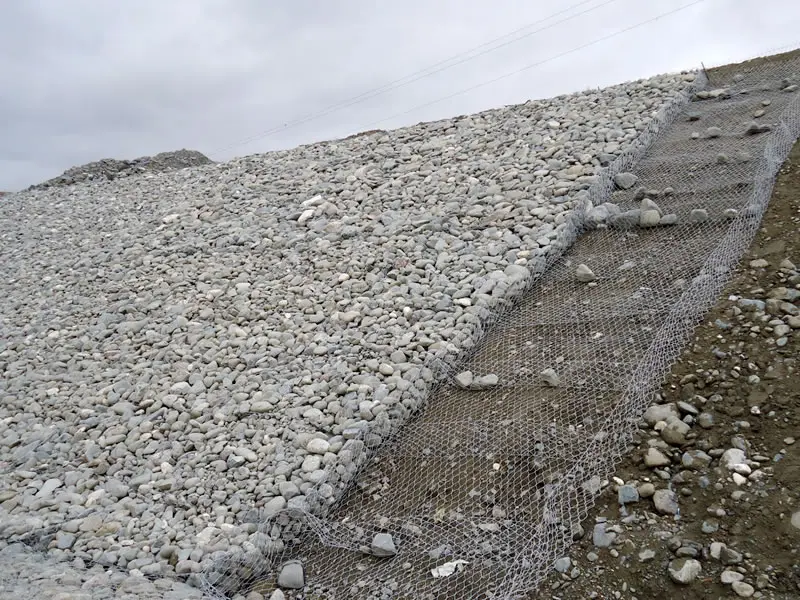
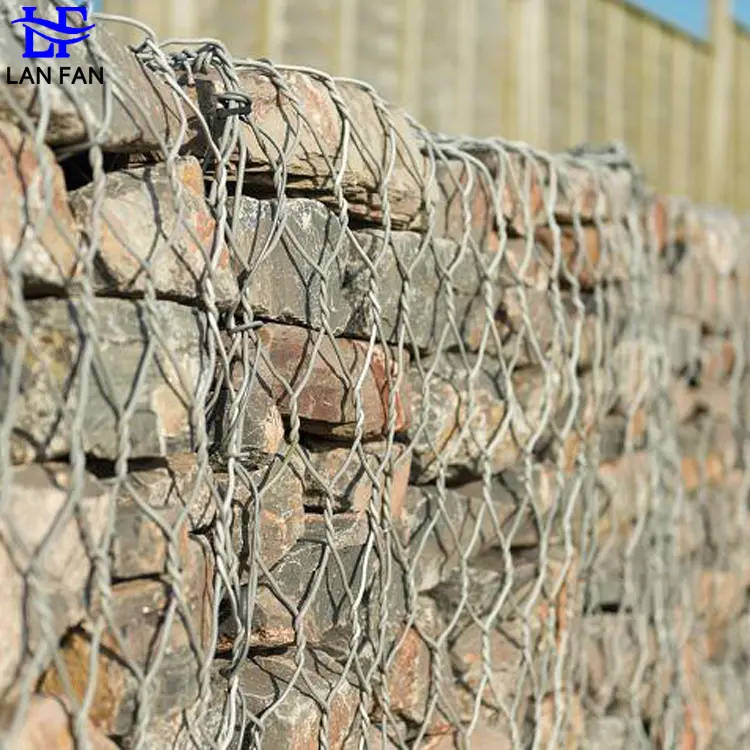
A gabion is essentially a wire mesh cage filled with stones, rocks, or sometimes recycled concrete. These cages are stacked or arranged to form a stable wall. Gabions have been used for centuries in civil engineering and military defense, but today they are common in landscaping, riverbank protection, and slope stabilization projects.
What Is a Retaining Wall?
A retaining wall is a solid structure built to resist the lateral pressure of soil. It can be made from concrete, masonry blocks, timber, or natural stone. Retaining walls often require foundations, drainage systems, and careful engineering to ensure long-term stability.
Comparing Gabions and Retaining Walls
- Durability and Longevity
- Gabions are extremely durable because of their flexible design. The wire cages can adapt to soil movement and ground settlement, making them less likely to crack. Over time, vegetation often grows between the rocks, further stabilizing the structure.
- Retaining walls are rigid. While concrete and masonry are strong, they are prone to cracking if the ground shifts, which can lead to costly repairs.
- Drainage
- Gabions naturally allow water to pass through the spaces between rocks, reducing hydrostatic pressure behind the wall. This minimizes the risk of wall failure.
- Retaining walls often require engineered drainage systems such as weep holes or perforated pipes to manage water buildup.
- Aesthetics
- Gabions offer a rustic, natural look. They blend well with outdoor environments and can even incorporate recycled materials. However, they may look too industrial in formal gardens.
- Retaining walls can be designed with decorative stone, textured concrete, or timber, giving them a more polished appearance suitable for residential landscapes.
- Environmental Impact
- Gabions are eco-friendly. They can be filled with locally sourced or recycled stone, and their porous structure encourages plant growth, supporting biodiversity.
- Retaining walls, particularly those made of poured concrete, have a larger carbon footprint and less environmental integration.
- Cost and Installation
- Gabions are generally cheaper in terms of materials, especially if stones are readily available on-site. Installation is also relatively straightforward, requiring less specialized labor.
- Retaining walls often involve higher material and labor costs, along with excavation, reinforcement, and drainage systems, which can make them more expensive overall.
- Applications
- Gabions are best suited for erosion control, riverbank stabilization, and rural or natural landscapes where function outweighs refined appearance.
- Retaining walls are preferred for urban landscapes, residential gardens, and projects where aesthetics and precise design are more important.
So, Which Is Better?
The answer depends on your priorities:
- If cost, flexibility, and drainage are most important, gabions often outperform traditional retaining walls.
- If aesthetics, structural rigidity, and a clean architectural look are essential, a retaining wall may be the better choice.
Ultimately, gabions and retaining walls are not competitors but rather complementary solutions. Choosing the right one comes down to site conditions, budget, and design goals.