The Ultimate Guide to Rockfall Barrier Netting: 10 Essential Benefits You Should Know
In the realm of geohazards, Rockfall Barrier Netting has emerged as a critical solution for mitigating the risks associated with rockfalls in mountainous and unstable terrains. According to the International Society for Soil Mechanics and Geotechnical Engineering (ISSMGE), rockfalls account for a significant percentage of landslide-related incidents, leading to considerable property damage and potential loss of life. The use of specialized rockfall barrier systems has grown by over 50% in the past decade as infrastructure development intensifies in vulnerable areas, highlighting the urgent need for effective protective measures.
Rockfall Barrier Netting provides a robust defense mechanism, designed to capture and contain falling rocks, minimizing the impact on both human life and the surrounding environment. A report by the Geotechnical Engineering Division indicates that implementing these systems can reduce risks associated with rockfalls by up to 90%, making them an invaluable asset in maintaining safety along roadways and near populated areas. This guide aims to elucidate the ten essential benefits of Rockfall Barrier Netting, empowering stakeholders—from engineers to government agencies—to make informed decisions while enhancing their understanding of this indispensable technology in geohazard management.
Overview of Rockfall Barrier Netting and Its Purpose
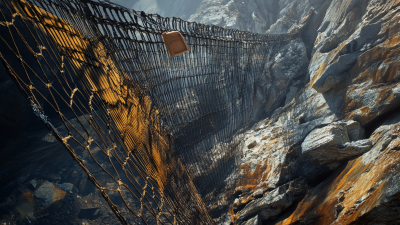
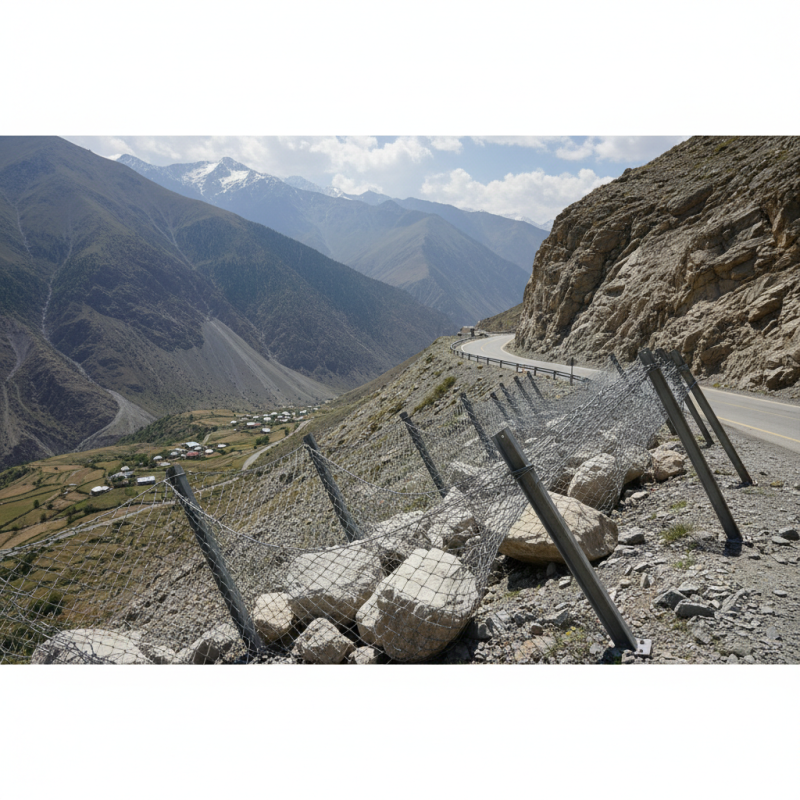
Rockfall barrier netting plays a crucial role in enhancing safety measures in mountainous and unstable terrains. Essentially, these installations are designed to capture and contain falling rocks, which can pose significant risks to infrastructure, vehicles, and human life. According to a report published by the International Society for Rock Mechanics, more than 30% of landslide incidents are attributed to rockfalls, underscoring the importance of effective mitigation strategies.
The primary purpose of rockfall barrier netting is not only to prevent the fragmentation and dispersal of falling rocks but also to minimize the potential for secondary impacts on surrounding areas. These netting systems are typically constructed using high-tensile strength materials that can withstand extreme forces, ensuring durability and reliability. A comprehensive study by the European Geosciences Union has indicated that properly installed rockfall nets can reduce the risk of rockfall incidents by over 70%, highlighting their significance in land management and safety engineering.
In addition to their protective benefits, rockfall barriers can also contribute to environmental preservation by reducing erosion and maintaining the natural landscape. This is particularly important in ecologically sensitive areas where disturbances can lead to significant ecological imbalances. With the continued advancement of materials and technology, the effectiveness and adaptability of rockfall barrier netting are set to improve, offering even greater protection and peace of mind in vulnerable regions.
Key Advantages of Installing Rockfall Barrier Netting
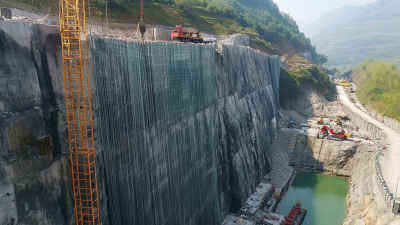
Rockfall barrier netting plays a crucial role in protecting both infrastructure and people from the dangers associated with falling rocks and debris in mountainous and steep terrain. One of the key advantages of installing these netting systems is their ability to significantly reduce the risk of landslides. By effectively stabilizing loose rock formations, they provide a reliable first line of defense against potential rockfalls, ensuring the safety of roads, railways, and other structures located in vulnerable areas.
Additionally, rockfall barrier netting promotes environmental conservation by minimizing erosion and supporting the natural habitat. These netting systems allow vegetation to grow through them, helping to maintain the integrity of the slope while promoting biodiversity. Furthermore, they can be designed to blend seamlessly with the surrounding landscape, which can enhance the aesthetic appeal of the area. With their combination of safety, environmental benefits, and low maintenance requirements, rockfall barrier netting emerges as an essential solution for managing geological hazards effectively.
Types of Rockfall Barrier Netting Materials and Their Uses
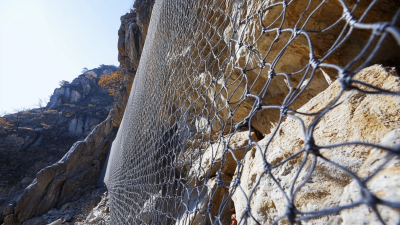
When it comes to rockfall barrier netting, understanding the various materials used is essential for effective implementation. There are several primary types of netting materials, each with distinct properties and applications. Steel wire mesh is one of the most commonly used materials due to its strength and durability. According to market analyses, steel netting can withstand significant impact forces, making it suitable for high-risk areas where rockfall incidents are frequent. It typically features a minimum tensile strength of 1,800 N/mm², ensuring it can handle the weight and velocity of falling rocks.
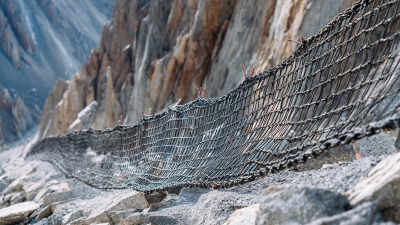
Another material gaining traction is synthetic fiber netting, which is lighter and more flexible than steel alternatives. Polypropylene and polyester nets are notable for their ability to absorb energy, reducing the risk of damage from falling debris. A study by the Geosynthetic Institute indicates that synthetic nets can successfully absorb up to 70% more impact energy compared to traditional materials, making them ideal for controlling smaller rockfalls in less severe environments. Proper selection of netting material not only enhances safety but also contributes to long-term cost savings through reduced maintenance and repair needs.
One innovative approach involves the use of composite materials that combine the strengths of both steel and synthetic options. These hybrid systems often incorporate advanced engineering techniques, offering enhanced resilience without sacrificing flexibility—a vital trait for dynamic terrains. Reports suggest that employing composite netting can extend the service life of rockfall barriers by up to 30%, an essential consideration for infrastructure projects in vulnerable locations. Understanding these materials and their specific applications helps ensure optimal performance and safety in rockfall management solutions.
Factors to Consider When Choosing Rockfall Barrier Netting
When selecting rockfall barrier netting, several critical factors should be taken into account to ensure optimal protection and performance. Firstly, the site conditions must be assessed, including the slope angle, geological characteristics, and potential rock sizes. Understanding these parameters will help in determining the type and strength of the netting required, as different environments may demand varying levels of durability and flexibility in the materials used.
Another essential factor is the installation method and maintenance requirements. The ease of installation can significantly impact the project timeline and overall costs. It's crucial to choose a netting system that allows for straightforward attachment to the terrain, while also considering how accessible the site is for ongoing maintenance. Regular inspections and upkeep are vital to ensure the netting remains effective over time, so selecting a system that facilitates monitoring and repair will enhance the longevity and reliability of the rockfall protection solution.
Maintenance and Inspection Guidelines for Rockfall Barrier Systems
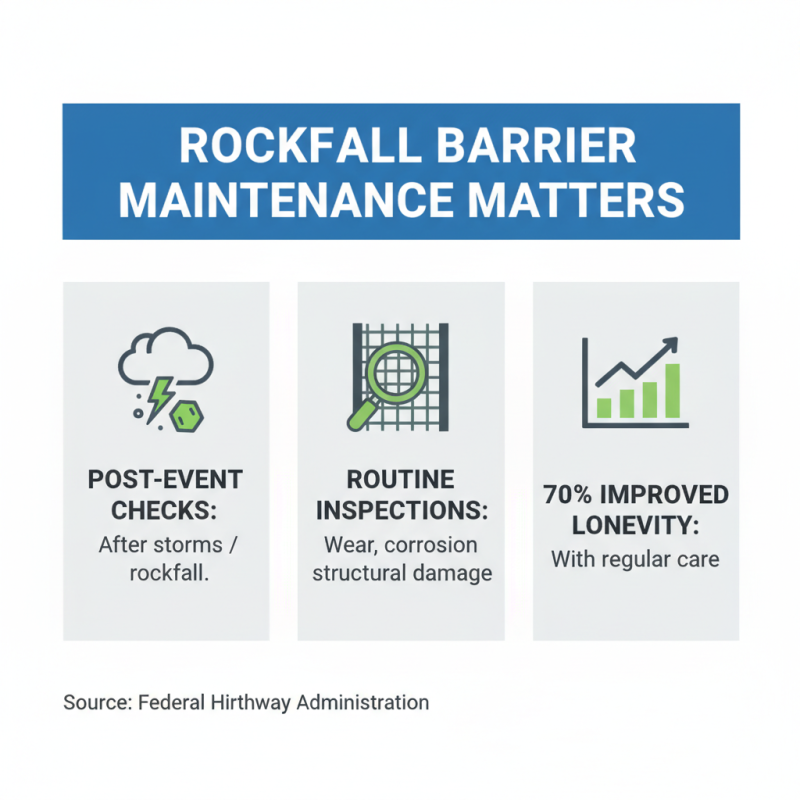
Maintenance and inspection of rockfall barrier systems are crucial for ensuring their effectiveness and longevity. According to the Federal Highway Administration, regular inspections should be conducted to assess the physical condition of barrier nets after significant weather events or rockfall incidents. These inspections typically include checking for signs of wear, corrosion, and any structural damage, such as broken connections or strain on the anchors. Data from industry studies suggest that over 70% of rockfall barriers that undergo routine inspections perform better over their operational lifespan compared to those that are neglected.
In addition to inspections, maintaining access routes to barrier systems is essential. An obstacle-free environment around these installations allows for easy access during inspections and repairs, which can significantly reduce response times to potential issues. Furthermore, keeping vegetation and debris at bay not only protects the integrity of the barrier but also mitigates risks associated with falling debris. It has been observed that an effective maintenance program can extend the life of barrier systems by as much as 50%, highlighting the economic benefits of proactive care. Thus, implementing a comprehensive maintenance and inspection strategy is not only a question of safety but also a cost-effective approach to managing rockfall risks.