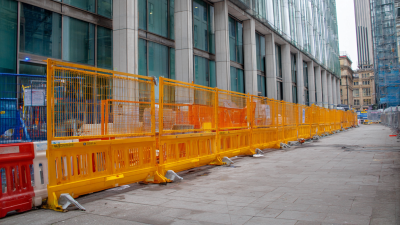
Choosing among China’s top Temporary Safety Fence manufacturers requires more than comparing prices or catalog photographs. Reliable suppliers combine practical manufacturing experience with clear material specifications, consistent welding, and dependable quality control. Their fences should stand securely around construction sites, roadwork zones, public events, and restricted work areas. Details matter: galvanized steel panels, smooth frame joints, stable feet, and visible warning colors can affect daily safety and installation efficiency.
A professional manufacturer should explain wire diameter, panel dimensions, coating thickness, base options, packaging methods, and expected service conditions. Factory audits, sample inspections, and production photographs can help buyers verify these claims. Certifications may support confidence, but they should be checked against the actual product and project requirements. Ask for test records when wind exposure, repeated handling, or outdoor corrosion is a concern. Small details reveal a lot.
Experience is valuable.
However, no supplier is perfect. Some manufacturers communicate well but offer inconsistent finishing. Others provide competitive pricing but limited technical support after shipment. Buyers should compare factory capacity, inspection procedures, lead times, customization abilities, and customer feedback before making a decision. A trustworthy partner should welcome questions, identify limitations honestly, and recommend suitable solutions instead of promising everything. This guide reviews leading Chinese manufacturers through practical criteria, including product quality, engineering support, production reliability, export experience, and service responsiveness. The goal is not to praise every company, but to help buyers make a careful, evidence-based choice for safer temporary site management.
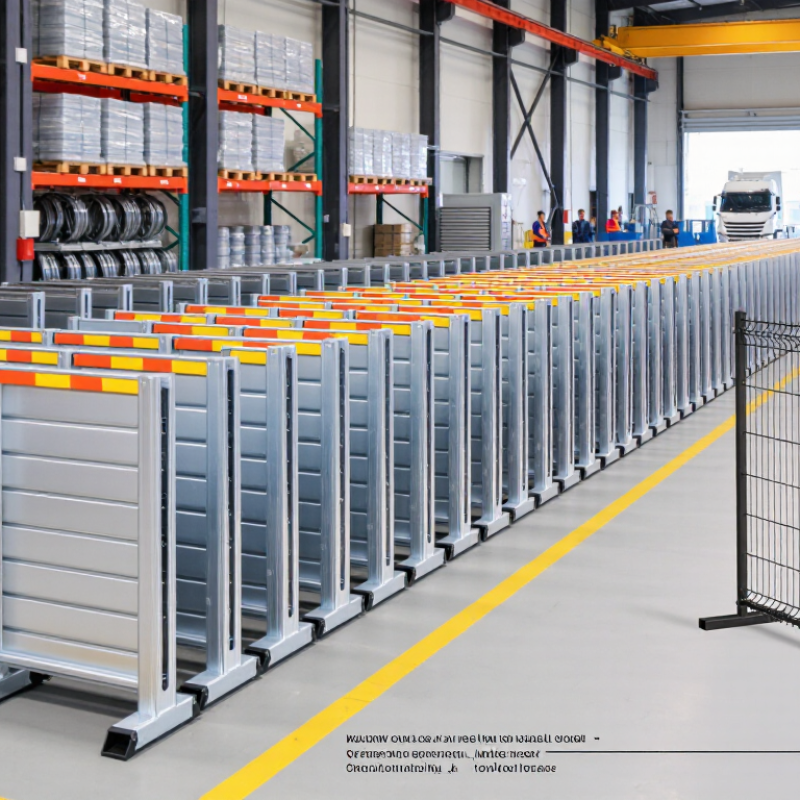
China Top Temporary Safety Fence Manufacturers
Temporary safety fences are modular barriers used to separate people, equipment, and restricted work areas. A typical system includes welded mesh panels, weighted feet, clamps, and connecting pins. The panels create a visible boundary, while the bases keep the line stable on firm ground. They work through control, not force. People see where access changes and can follow marked entry points.
On construction sites, I have found that layout matters as much as panel strength. A fence placed too close to moving equipment may still create a hazard. Uneven ground can also leave gaps beneath the panels. Wind, repeated handling, and poor connections gradually reduce stability. Temporary fencing is not automatically fall protection, crowd-control equipment, or a substitute for professional risk assessment. Its correct use depends on site conditions, expected loads, and clear warning signs.
Tips: Inspect feet, joints, and mesh before every shift. Keep emergency routes open. Add ballast when wind exposure increases. Leave enough space for workers to move safely. Document damaged parts and remove them promptly. A practical mistake is treating every surface as level. It is not. Manufacturer specifications, installation guidance, and local safety requirements should guide the final setup.
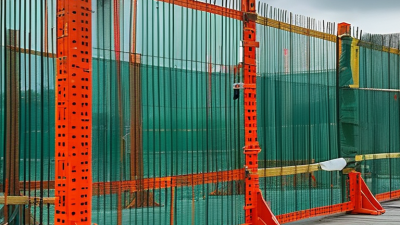
China Top Temporary Safety Fence Manufacturers
Key Types of Temporary Safety Fences Made in China
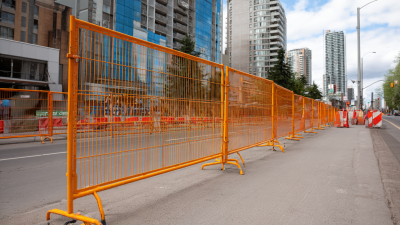
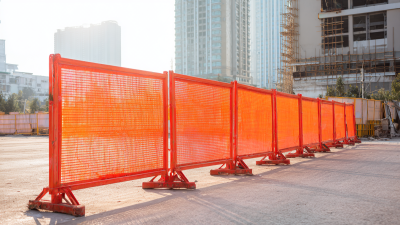
Chinese manufacturers commonly produce welded mesh panels for construction sites, roadworks, and public events. These panels usually use galvanized steel wire, steel feet, clamps, and warning-colored coatings. A typical panel measures about 2.0 metres high and 3.5 metres long. The open mesh improves visibility while discouraging unauthorized entry. According to the International Labour Organization’s 2023 safety report, nearly 3 million workers die annually from work-related causes. Temporary barriers cannot remove every hazard, but they can define safer movement paths.
Crowd-control barriers are another major type. They use closely spaced vertical bars and interlocking hooks. This design suits entrances, queues, pedestrian diversions, and controlled gathering areas. Plastic water-filled barriers offer a different function. Their hollow bases can be filled with water or sand, creating stability around excavations and traffic changes. Some Chinese factories also make anti-climb panels with smaller mesh openings. They require stronger handling and usually cost more.
Ground conditions matter. A light panel may fail on uneven gravel. This is an easy mistake during site planning. Wind exposure, panel spacing, ballast weight, and connection strength need field checks. A 2024 global construction safety review from the International Data Corporation highlighted growing investment in temporary site-control equipment, but market forecasts vary by research method. Buyers should request load tests, coating specifications, welding records, and installation instructions. Product photographs are not enough. Experienced suppliers should also explain what the fence cannot safely withstand.
| Key Fence Type | Primary Material | Typical Panel or Roll Size | Typical Mesh or Opening | Common Support System | Best-Suited Applications | Main Advantages | Important Selection Considerations |
|---|---|---|---|---|---|---|---|
| High-Visibility Plastic Mesh Fence | Extruded polyethylene or polypropylene | Rolls commonly 1.0–1.2 m high and 30–50 m long | Approximately 10–50 mm openings, depending on the mesh pattern | Steel posts, plastic step-in posts, or driven ground stakes | Construction perimeters, excavation areas, landscaping, utility work, and temporary crowd guidance | Lightweight, highly visible, corrosion-resistant, easy to cut and install | Choose UV-stabilized material for outdoor use; it provides visual separation but limited impact resistance |
| Orange Warning Safety Fence | UV-stabilized polyethylene mesh | Usually 1.0–1.2 m high rolls; common roll lengths are 30–50 m | Small to medium diamond or rectangular openings | Plastic or metal posts with clips, ties, or integrated attachment points | Hazard marking, road maintenance, trench surroundings, ski areas, and event zones | Bright orange color improves daytime visibility and installation is fast | It is a warning barrier rather than a fall-protection system; add rigid protection where people or vehicles face a fall hazard |
| Welded Wire Temporary Fence Panel | Low-carbon steel wire with galvanized or painted finish | Commonly about 2.0–2.4 m high and 2.0–3.5 m wide | Typical openings range from approximately 50 × 100 mm to 100 × 300 mm | Removable steel feet, clamps, couplers, and corner connectors | Building sites, warehouses, infrastructure projects, public works, and restricted-access zones | Rigid, reusable, more resistant to tampering, and suitable for repeated assembly | Check wire diameter, weld quality, coating thickness, base stability, and panel-to-panel connection strength |
| Chain-Link Temporary Fence Panel | Galvanized steel chain-link fabric with steel tubing | Commonly 1.8–2.4 m high and 2.0–3.6 m wide | Typical chain-link mesh openings are about 40–60 mm | Tubular steel frames, weighted feet, clamps, and bracing accessories | Large construction compounds, equipment storage, demolition areas, and long-duration site security | Good visibility, flexible configuration, reusable components, and effective perimeter control | Inspect for sharp wire ends and ensure the feet are weighted or anchored sufficiently for wind exposure |
| Steel Crowd-Control Barrier | Welded steel tube, commonly galvanized or powder coated | Usually 1.0–1.2 m high and 2.0–2.5 m long | Vertical or horizontal rail arrangement; openings vary by design | Interlocking hooks, flat feet, or bridge-style feet | Concerts, sports venues, festivals, queues, parades, and pedestrian channeling | Quick interconnection, durable frame, and effective movement management | Select anti-trip feet for pedestrian areas and confirm the barrier layout meets local event-safety requirements |
| Water-Filled Plastic Barrier | Rotomolded polyethylene | Individual units commonly 0.8–1.1 m high and 1.0–2.0 m long | Solid barrier body, sometimes with reflective panels or warning strips | Interlocking ends; filled with water or another approved ballast medium | Roadworks, lane separation, traffic diversions, and temporary work zones | Stable after filling, highly visible, impact-tolerant, and suitable for continuous lines | Consider transport weight, drainage, freezing conditions, reflective markings, and local traffic-control regulations |
| Temporary Pedestrian Guardrail | Steel tube or steel panel with galvanized or painted surface | Often about 1.0–1.2 m high and 2.0–2.5 m long | Guardrail or infill design with narrow pedestrian openings | Interlocking feet, weighted bases, or mechanically fixed supports | Walkway protection, roadside works, public excavation, and separation of pedestrians from vehicles | Provides a clearer physical boundary than flexible mesh and supports organized pedestrian routes | For excavations or fall hazards, verify guardrail height, toe-board needs, anchorage, and applicable local regulations |
| Privacy and Dust-Control Screen Fence | HDPE knitted fabric or PVC-coated polyester fabric | Commonly 1.5–2.0 m high; supplied in rolls or attached to rigid panels | Fine knitted mesh or solid fabric, with approximately 50–90% screening density | Welded wire panels, scaffold frames, steel posts, and cable ties | Urban construction, renovation projects, temporary site enclosure, and dust or visual screening | Reduces visual exposure and can help moderate wind and airborne dust around a site | Screening fabric increases wind load; use reinforced edges, frequent ties, and adequately braced supports |
| Expandable Plastic Safety Barrier | High-impact polypropylene or ABS plastic | Closed length often 0.4–0.6 m; extended length commonly 2–4 m; height about 0.9–1.1 m | Open lattice pattern | Integrated feet, sometimes with weighted or water-ballast bases | Temporary maintenance zones, indoor facilities, warehouses, airports, and emergency access control | Compact storage, rapid deployment, and convenient repositioning by one person | Best for short-term or low-impact separation; use rigid panels or anchored systems for strong wind or security needs |
| Debris and Falling-Object Safety Netting | Knitted polyethylene or polypropylene netting | Widths commonly 1.0–3.0 m; supplied in rolls or pre-cut panels | Fine mesh, often approximately 2–10 mm depending on the intended function | Scaffold tubes, perimeter cables, clamps, and approved fixing accessories | Scaffolding, building façades, elevated work areas, and debris-containment applications | Helps contain small debris and improves visibility of an elevated work boundary | Use only products designed and tested for the specific containment or fall-protection function; do not treat ordinary netting as a fall-arrest system |
China’s temporary safety fence manufacturers often begin with a practical site problem: fast installation, stable barriers, and easy transport. Designers study fence height, mesh openings, base weight, connection strength, and working conditions. A busy construction entrance needs different protection from a crowded public event.
Production usually starts with steel tube cutting, mesh welding, surface treatment, and inspection. Engineers may use galvanized steel for corrosion resistance or apply a protective coating for extra durability. Each panel should fit its connecting clips without excessive movement. Bases are checked on level ground and uneven surfaces. Small details matter.
Real factory experience also reveals weaknesses. A heavier base improves stability, but it increases handling effort. A thinner frame reduces cost, yet it may bend during repeated relocation. These trade-offs require testing, not guesswork. Some designs look strong in drawings but feel unstable outdoors. That deserves another review.
Tips: Ask for material specifications, weld inspection records, coating information, and sample testing. Check whether workers can assemble panels safely with gloves. Measure packed dimensions before ordering. Confirm that the fence suits wind, crowd movement, and the surface conditions of your project. Suppliers should explain production limits honestly, rather than promising perfect performance.
Temporary safety fence manufacturers commonly balance transport efficiency, stability, visibility, and corrosion resistance. The chart shows representative panel configurations used in construction and event-site fencing. Typical production includes wire forming, mesh welding, frame assembly, hot-dip galvanizing or powder coating, and final dimensional inspection. Exact specifications vary according to project requirements and applicable standards.
Evaluating Chinese temporary safety fence manufacturers requires evidence beyond catalog images. Start with a documented quality system, preferably certified to ISO 9001. The ISO Survey reports more than 1.2 million ISO 9001 certificates worldwide, showing how common formal process control has become. Certification alone proves little. Ask for the certificate scope, issuing body, audit date, and factory address.
Inspect the fence itself. Measure wire diameter, panel length, frame squareness, mesh openings, and base stability from production samples. Request batch records for steel, welding, galvanizing, and powder coating. ISO 1461 provides reference requirements for hot-dip galvanized coatings, while ASTM A123 specifies coating tests for fabricated steel products. A reliable supplier should provide test results with lot numbers, not loose screenshots. Small details matter.
Test it outdoors. Place panels on uneven ground, apply controlled lateral pressure, and inspect welds after repeated handling. Temporary fencing often fails at hinges, feet, and corner joints first. Ask for loading methods and inspection frequency. A supplier may show excellent samples but inconsistent mass production. That is the uncomfortable gap buyers must investigate. Independent pre-shipment inspection can reduce this risk, although it cannot replace field testing. Look for corrective-action records, operator training, and clear tolerance limits before comparing prices.
China Top Temporary Safety Fence Manufacturers
Selecting the right Chinese temporary fence supplier requires more than comparing online prices. Check the factory’s production experience, material knowledge, and quality control process. Ask for exact panel dimensions, wire diameter, frame thickness, surface treatment, and base weight. A reliable supplier should provide clear drawings and a recent product sample.
Inspect weld points closely. They should look consistent, without sharp projections or visible gaps. For galvanized fencing, request coating information and practical corrosion test records. Confirm whether the panels remain stable on uneven ground. A strong base matters at construction entrances, public events, and temporary work zones. Ask how the supplier checks strength, packaging, and loading before shipment.
Communication also reveals professionalism. The supplier should answer technical questions directly and explain limitations honestly. Request factory photos, inspection reports, export experience, and references from similar projects. Confirm production capacity, minimum order quantity, lead time, spare parts, and after-sales handling. Do not rely on attractive pictures alone. Samples can expose problems that a catalog hides. No checklist is perfect. My own review process would include one overlooked detail: packaging. Bent feet or scratched coatings can create avoidable costs after arrival. A smaller supplier may offer careful service, but only if its records are consistent and verifiable.