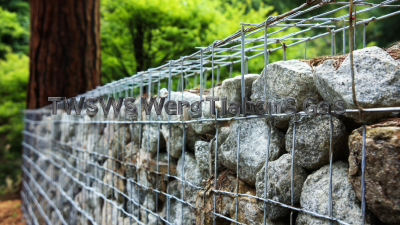
Top 10 Square Defensive Bastion Barriers in China Explained?
In recent years, security threats have grown significantly across various sectors. To combat these threats, many nations have turned to innovative solutions. One such solution is the implementation of Square Defensive Bastion Barriers. These barriers have become essential for enhancing safety and protecting critical assets.
China has emerged as a leader in the development and deployment of these barriers. Their unique design provides robust protection against various external threats. As urbanization increases, the demand for these structures has risen. Cities require effective fortifications to safeguard vital infrastructures.
However, while they offer essential protection, their effectiveness can sometimes be questioned. Factors like environmental conditions and installation quality impact performance. The growing reliance on Square Defensive Bastion Barriers invites reflection on balancing security and cost-efficiency. Understanding the nuances of these barriers is crucial for informed decision-making in today’s complex security landscape.
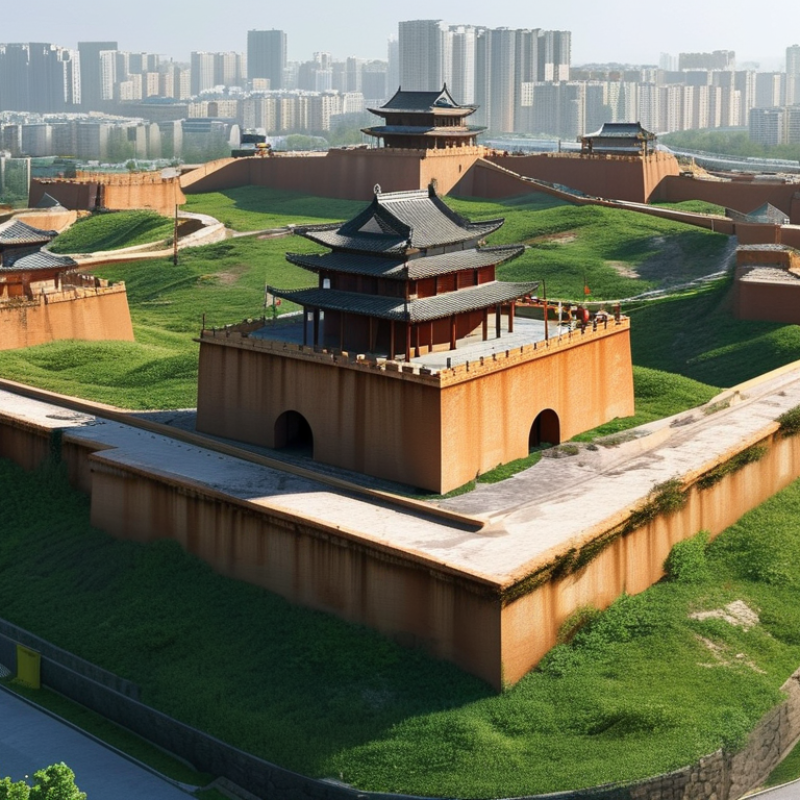
Overview of Square Defensive Bastion Barriers in China
Square defensive bastion barriers play a crucial role in China’s military landscape. These structures are designed to provide effective protection in various combat scenarios. Their robust design and strategic placement enhance safety for troops and vital infrastructure. Made from high-strength materials, they can endure significant impacts and environmental challenges.
Understanding the functionality of these barriers is essential. They are often positioned at key points to create a secure perimeter. This strategic placement aids in defense against potential threats. However, improper installation can lead to vulnerabilities. Some areas may face challenges like erosion or structural fatigue over time.
Moreover, the effectiveness of these barriers relies on continuous assessment and maintenance. Regular inspections help identify potential weaknesses. These evaluations can inform necessary updates. While technology advances, it is critical to reflect on the balance between innovation and proven methods. Overall, square defensive bastion barriers represent a pivotal aspect of defensive strategies in China.
Key Features and Specifications of Top Defensive Barriers
Square defensive bastion barriers are crucial in enhancing security across various locations in China. These barriers come with essential features that focus on durability and adaptability. High-quality materials, such as reinforced steel and heavy-duty plastics, provide lasting protection. With weather-resistant coatings, they withstand harsh conditions.
These barriers often have modular designs, allowing for flexible configurations. This feature enables quick setup and reconfiguration depending on specific needs. Some barriers also include integrated monitoring systems. These systems facilitate real-time surveillance, ensuring a comprehensive security solution.
However, not all barriers offer equal effectiveness. Some designs may lack proper stability in extreme weather. Size and weight are other factors that can affect their deployment. Users should consider these aspects when selecting a barrier. Understanding the limitations of different barriers is essential for effective security management.
Applications and Use Cases of Square Bastion Barriers
Square bastion barriers are increasingly popular in various sectors across China. These barriers provide effective protection for critical infrastructure and personnel. They are often deployed in military, event security, and construction site applications. The solid, modular design allows for quick assembly and disassembly. This versatility makes them suitable for changing operational needs.
In military settings, square bastion barriers offer enhanced defensive capabilities. They can protect personnel and valuable assets from blasts and projectiles. The barriers are often reinforced with steel, enhancing their durability. At large public events, these structures help control crowds and secure entry points. Their design can deter unauthorized access effectively.
Despite their reliability, there are some concerns. Weather conditions can impact the stability of the barriers. Proper anchoring and positioning are essential. Teams should regularly assess their effectiveness. By understanding these factors, users can enhance safety measures. Ultimately, square bastion barriers represent a crucial component in modern security strategies, offering both protection and flexibility.
Comparative Analysis of the Leading 10 Barriers
When considering square defensive bastion barriers in China, several factors come into play.
Materials significantly affect durability and strength.
Concrete and steel are common choices, providing substantial resistance against physical attacks.
Some barriers are designed for easy transport, while others focus on permanence. This variability impacts both the cost and deployment efficiency of each barrier.
The leading ten barriers offer varied designs and functionalities. Some prioritize height for visibility, while others emphasize width for stability. The effectiveness of each type often depends on its intended use. For instance, urban settings may require barriers that blend with architecture. In contrast, remote locations might necessitate more rugged builds.
The absence of a one-size-fits-all solution suggests the need for careful selection based on specific requirements.
User feedback on performance can sometimes indicate shortcomings. Not all barriers withstand extreme weather conditions effectively.
Additionally, aesthetic appeal can be a concern for communities. Such factors often lead to discussions about the need for improvement.
Therefore, continuous assessment and innovation remain crucial in enhancing barrier designs.
Future Trends and Innovations in Defensive Barrier Design
As the landscape of defensive barriers evolves, innovations are reshaping their design and effectiveness. Recent research from industry experts indicates that advanced materials are making barriers lighter yet stronger. Composite materials, such as fiber-reinforced polymers, are increasingly adopted. These materials demonstrate an exceptional strength-to-weight ratio, making them ideal for urban environments.
Smart technology integration is another trend. More barriers are equipped with sensors and surveillance capabilities. A report by the National Defense Institute highlights that over 40% of modern barriers are now smart-enabled. This development allows for real-time monitoring and response, significantly enhancing security. Yet, this reliance on technology can create vulnerabilities. Cybersecurity threats can compromise these systems, leading to critical weaknesses in defense.
Sustainability is also becoming crucial. Increasing focus on eco-friendly materials is emerging in design discussions. A study revealed that nearly 30% of barrier manufacturers are investing in sustainable technologies. However, sourcing these materials can be challenging, affecting availability. Balancing performance and sustainability remains a significant dilemma for the industry. While innovations drive progress, constant vigilance is necessary to address new challenges and maintain effective defense strategies.