Top 5 Temporary Safety Fence Solutions for Your Site Needs?
When managing a construction site, safety is paramount. A temporary safety fence serves as a crucial barrier. It not only protects workers but also secures the site from unauthorized access. Each site has unique needs, requiring tailored solutions to ensure maximum effectiveness.
Various options exist for temporary safety fences. Some are lightweight and portable, suitable for quick setups. Others are designed for durability in harsh weather conditions. Choosing the right type can impact both safety and efficiency. Users must also consider costs, ease of installation, and storage.
Mistakes can happen. An inadequate fence may not fully secure a site. It's vital to review the options carefully. Reflecting on past experiences can provide valuable insights. Selecting the right temporary safety fence can make all the difference in protecting people and property.
Top 5 Temporary Safety Fence Solutions for Your Site Needs
When planning your site safety measures, temporary fences are essential. They provide a clear barrier to keep unauthorized individuals out. These fences can also signal danger zones effectively. A well-placed fence helps control who enters your site. Yet, not all fences are created equal. Assessing your specific needs is crucial.
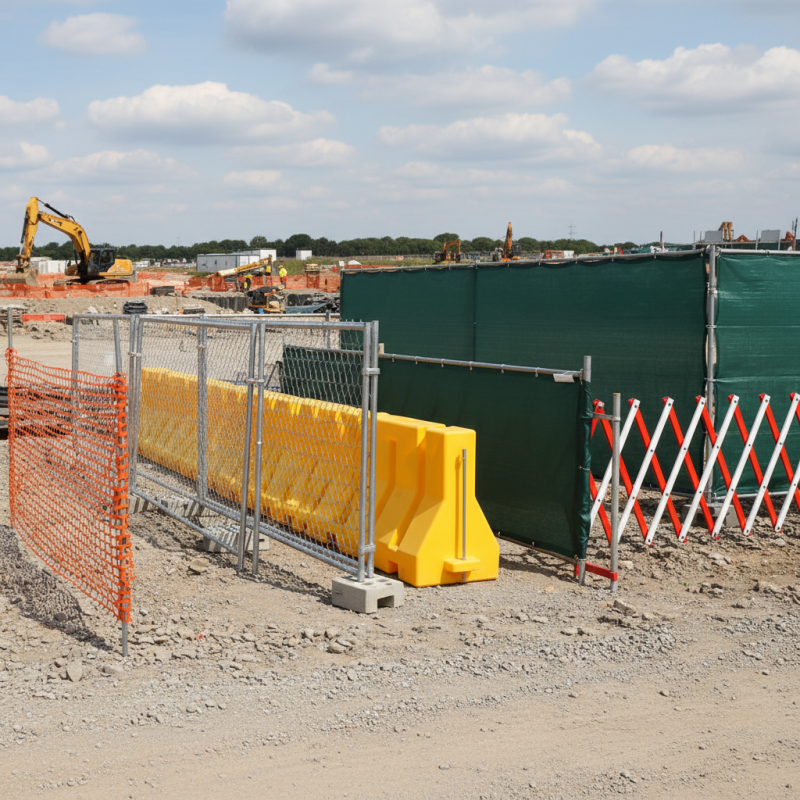
One common option is chain-link fencing. It's sturdy and provides visibility. However, it may not blend well with your site's aesthetic. Another choice is plastic safety fencing. While lightweight, it can be less durable in windy conditions. You might also consider wooden fences for a more solid structure. They offer more privacy but can be costly. It's also worth pondering whether installation is manageable for your team.
Portable barricades offer quick solutions. They are easy to move but may require frequent adjustments. Ensure to have enough space for setup without crowding your site. Temporary fencing might not always look professional. Still, it serves a critical function. Reflect on how your choices impact safety. Understanding strengths and weaknesses is key to effective site management.
Understanding the Importance of Temporary Safety Fences on Construction Sites
Temporary safety fences are crucial on construction sites. They provide barriers to protect workers and the public from hazards. According to the Bureau of Labor Statistics, around 20% of fatalities in the construction industry stem from falls, being struck by objects, and electrocutions. Proper fencing can significantly reduce these incidents.
The installation of safety fences can streamline site management. For instance, a report from the Occupational Safety and Health Administration indicates that well-defined perimeters prevent unauthorized access, which in turn decreases the risk of accidents. A temporary fence system, placed correctly, ensures that the construction site remains contained.
However, not all fencing solutions are effective. Some barriers can be easily moved or breached. It's essential to evaluate the physical robustness of the chosen solution. Real-world examples show that inadequate fencing can lead to increased liabilities. Thus, investing in sturdy, compliant fencing is vital. The right fence doesn't just serve as a visual cue; it actively contributes to a safer working environment.
Comparative Analysis of Different Materials Used for Temporary Fencing
When choosing temporary fencing solutions, material selection plays a crucial role. Different materials offer unique advantages and drawbacks. For instance, chain link fences are popular for their durability and visibility. They allow clear sightlines, which can be beneficial for monitoring site activity. However, they may not provide the best security if high-level protection is needed.
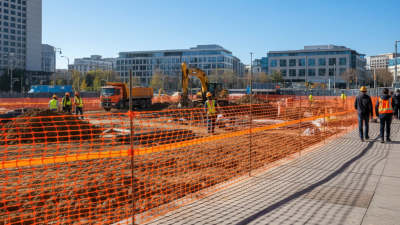
On the other hand, plastic mesh fencing is lightweight and easy to install. It's an excellent option for short-term projects. Yet, it may lack robustness against extreme weather or vandalism. Wood panels could offer solid privacy but tend to be less portable. They also require more maintenance and may not withstand harsh conditions well. It's essential to consider the specific needs of your site to find the best fit.
Metal barriers are incredibly strong and provide high security. However, their weight can make them challenging to transport. Additionally, they can be more expensive than other materials. Finding a balance between cost, durability, and usability is crucial. Each option has its imperfections. Evaluating these shortcomings can lead to better decisions for temporary fencing solutions.
Top 5 Temporary Safety Fence Solutions for Your Site Needs
| Material |
Durability |
Cost (per linear foot) |
Installation Ease |
Use Cases |
| Wire Mesh |
High |
$1.50 |
Moderate |
Construction sites, crowd control |
| Plastic Barrier |
Moderate |
$0.80 |
Easy |
Event management, temporary sites |
| Chain Link |
High |
$2.00 |
Moderate to Difficult |
Security, hazardous areas |
| Wooden Panels |
Moderate to High |
$3.50 |
Difficult |
Decorative events, construction |
| Hoarding Fencing |
Very High |
$4.00 |
Moderate |
Urban construction, advertising |
Installation and Maintenance Tips for Efficient Temporary Fencing
When considering temporary fencing solutions, installation and maintenance are crucial. Proper installation ensures the fence serves its purpose without gaps or instability. Start by measuring the area accurately. A secure anchor is necessary, especially in windy conditions. Using stakes can help keep the fence upright.
Tips: Always check for ground-level obstructions. This can save you time and effort during installation. Ensure the fence is properly tensioned. Loose fencing can lead to accidents or unauthorized access. Regular visual inspections can help identify issues before they escalate.
Maintenance should not be overlooked. Even temporary solutions require attention. Weather elements can wear down materials. Conduct repairs immediately when problems arise. It might seem tedious, but it pays off. Rotting panels or damaged posts can compromise safety.
Tips: Keep a maintenance log. This helps track repairs and replacements. Consider seasonal adjustments. Fencing used in winter may need different care compared to summer. Remember, a well-maintained fence is an effective barrier. Don’t underestimate the importance of small details in your safety plan.
Conclusion
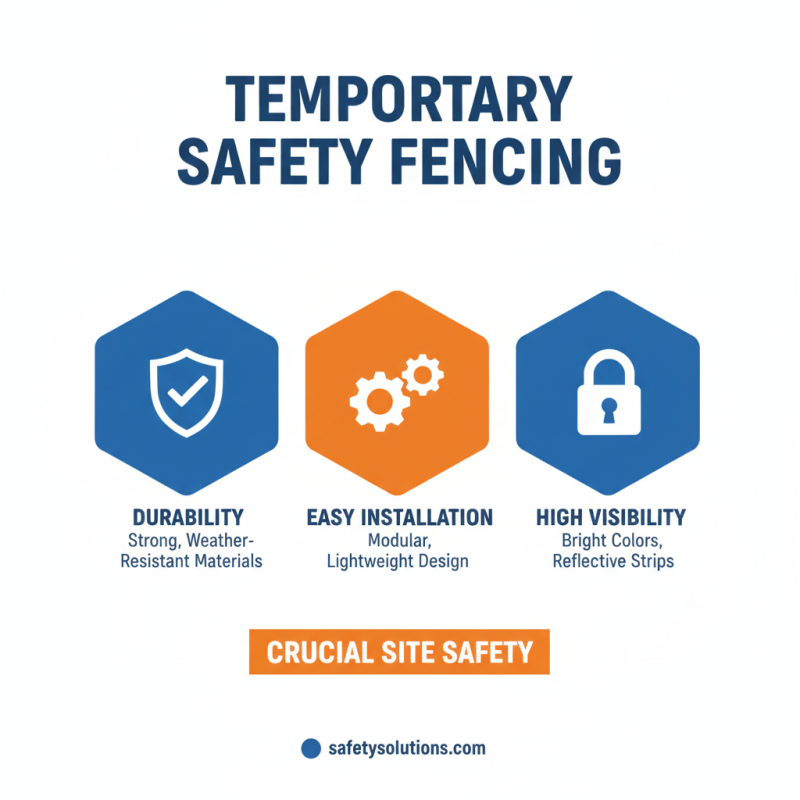
Temporary Safety Fences play a critical role in ensuring the security and safety of construction sites. They not only demarcate boundaries but also protect workers, visitors, and the public from potential hazards. When selecting a temporary safety fence, it is essential to consider the materials used, as each offers unique benefits in terms of durability, visibility, and ease of installation.
Additionally, understanding key features such as height, strength, and compliance with safety regulations is vital for achieving optimal protection. Proper installation and regular maintenance can enhance the effectiveness of temporary fencing, ensuring it meets site-specific needs. Finally, evaluating cost-effectiveness and compliance with safety standards is important for budget-conscious planning while prioritizing safety on construction sites.