What is a Temporary Safety Fence and Why You Need It for Your Project
A Temporary Safety Fence plays a crucial role in modern construction and event planning projects, providing an essential barrier that ensures the safety of both workers and the public. As construction sites and outdoor events can present numerous hazards, the implementation of such fencing is not only a smart choice but often a necessity. With an array of materials and designs available, Temporary Safety Fences can be tailored to suit various project requirements while maintaining high standards of security and visibility.
The importance of having a Temporary Safety Fence cannot be overstated. It acts as a physical boundary that keeps unauthorized individuals away from potentially dangerous areas, thereby reducing the risk of accidents and injuries. Moreover, it helps to establish clear perimeters for your project, fostering better organization and efficiency on-site. In a world where safety regulations are becoming increasingly stringent, utilizing a Temporary Safety Fence is an indispensable step towards achieving compliance and ensuring a safe working environment for all stakeholders involved.
Definition and Purpose of a Temporary Safety Fence
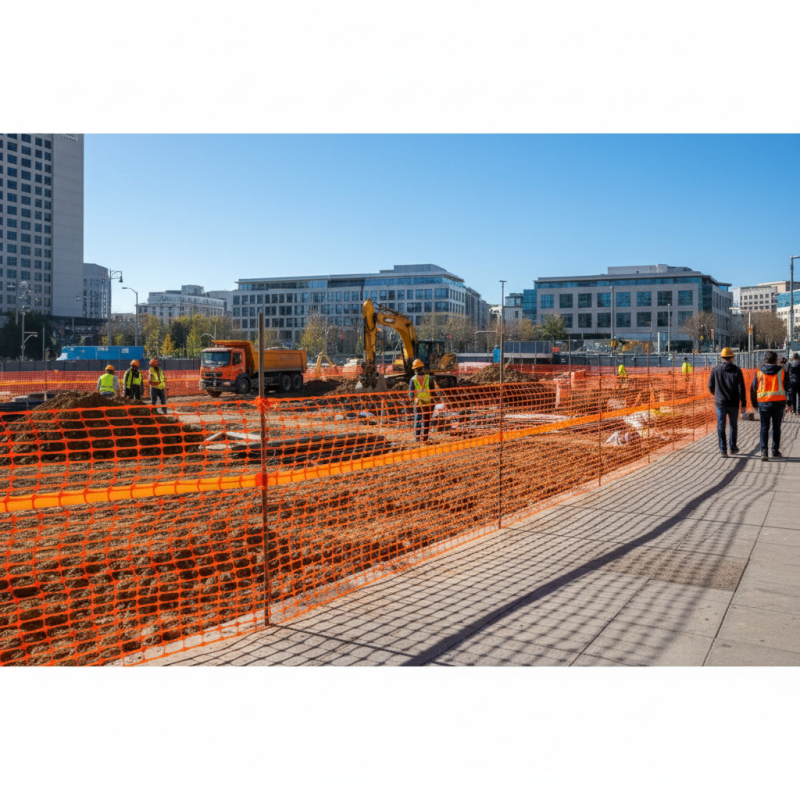
A temporary safety fence is a crucial component for managing construction sites, outdoor events, and various projects where safety and security are paramount. Defined as a portable barrier set up to restrict access to certain areas, it serves multiple purposes ranging from preventing unauthorized entry to protecting the public from potential hazards associated with ongoing work. Unlike permanent fencing, temporary safety fences can be quickly installed and removed, making them versatile for different projects and durations.
The primary purpose of a temporary safety fence is to create a secure perimeter around work areas. This helps to minimize the risk of accidents or injuries by keeping passersby away from potential danger zones, such as excavation sites or areas with heavy machinery. Additionally, these fences can deter theft and vandalism, safeguarding tools and materials on site. Employing a temporary safety fence not only enhances the safety of workers and the public but also showcases a commitment to responsible project management, aligning with regulatory requirements and promoting community trust.

Types of Temporary Safety Fences Available on the Market
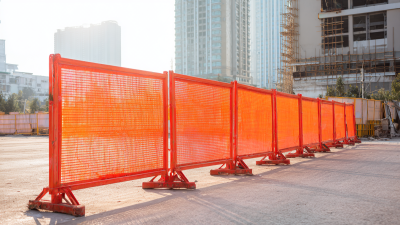
Temporary safety fences are critical for ensuring site security and preventing unauthorized access to hazardous areas during construction or renovation projects. These fences are designed to be easily installed and removed, providing flexibility for temporary barriers in various environments. The market for temporary safety fencing has expanded significantly, with a projected growth of approximately 8% annually between 2021 and 2026, driven by increased urban development and the rising need for construction site safety.
There are several types of temporary safety fences available, each catering to specific needs. Chain link fences, for example, offer a robust and durable option, often used for large construction sites due to their strength and visibility. According to industry reports, chain link fencing accounts for roughly 40% of the total market share in temporary fencing solutions. On the other hand, plastic safety fences provide a lightweight and economical alternative suitable for events or smaller projects. These barriers, typically made of high-visibility poly material, enhance safety without compromising on ease of setup. Additionally, mesh fencing options afford a breathable design that is ideal for enclosures that require visibility while still maintaining protection. Such diverse options allow stakeholders to choose the appropriate fencing based on their project's scope, duration, and budget, ensuring optimal safety and compliance with regulations.
What is a Temporary Safety Fence and Why You Need It for Your Project - Types of Temporary Safety Fences Available on the Market
| Type of Temporary Safety Fence |
Material |
Height (ft) |
Typical Use Cases |
Approximate Cost ($/ft) |
| Construction Fence |
Chain Link |
6 |
Construction sites, large events |
2.50 |
| Privacy Screen Fence |
Vinyl |
6 |
Residential construction, outdoor events |
3.00 |
| Barricade Fence |
Wood |
4 |
Crowd control, outdoor festivals |
4.00 |
| Construction Barrier |
Plastic |
3.5 |
Traffic control, urban construction |
1.50 |
| Rooftop Safety Fence |
Aluminum |
42 |
Rooftop construction, maintenance work |
8.00 |
Key Benefits of Installing a Temporary Safety Fence for Projects
Temporary safety fences are essential for ensuring the security and safety of construction sites and other project environments. One of the key benefits of installing these fences is that they help to clearly define the boundaries of the work area, preventing unauthorized access. This helps to protect both workers and the public from potential hazards associated with construction activities, such as falling objects or machinery movement. By creating a physical barrier, these fences also deter trespassers and reduce the risk of accidents, ultimately promoting a safer working environment.
Another significant advantage of temporary safety fences is their versatility and ease of installation. They can be quickly set up and removed as needed, making them highly adaptable for projects of varying durations. This flexibility allows project managers to respond promptly to changing site conditions or safety requirements. Additionally, many types of temporary safety fences are designed to be lightweight yet sturdy, making them an efficient choice for maintaining safety without compromising the flow of work. Their presence fosters an atmosphere of professionalism and responsibility, which can positively influence stakeholder confidence in the project.
Regulatory Requirements and Standards for Safety Fences
Temporary safety fences are essential for ensuring the safety and security of construction sites, events, and public spaces. These fences not only deter unauthorized access but also protect pedestrians from potential hazards. It is important to be aware of regulatory requirements and standards that govern the use of safety fences to ensure compliance and avoid legal issues during your project.
Different regions have specific regulations regarding the height, material, and durability of temporary safety fences. For instance, many jurisdictions enforce minimum height requirements to ensure that the fence effectively deters intruders and prevents accidents. Additionally, the materials used must be strong enough to withstand environmental conditions and potential impacts. Familiarize yourself with local building codes and safety regulations to ensure that your temporary safety fence meets all necessary requirements.
Tips for choosing the right safety fence include assessing the type of project and its location. Evaluate the specific risks associated with your project and select a fence that addresses those concerns. Ensure that your safety fence is visibly marked and easily identifiable to enhance awareness among workers and the public alike. Regular inspections and maintenance of the fence are also essential to maintain its integrity throughout the duration of your project.
Temporary Safety Fences Compliance Standards
This bar chart represents the compliance of temporary safety fences with various regulatory requirements across different projects. The data illustrates the percentage of projects that met each specific standard, highlighting the importance of safety measures in construction environments.
Tips for Proper Installation and Maintenance of Safety Fences
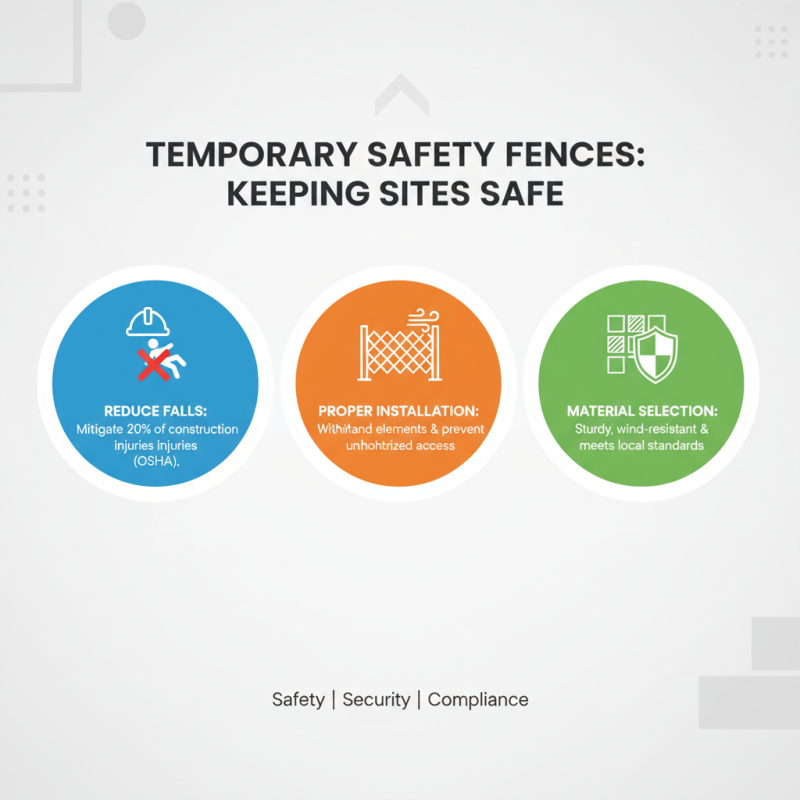
Temporary safety fences play a crucial role in ensuring the safety and security of construction sites, public events, and any areas undergoing renovation. Proper installation is vital to ensure that these fences can withstand environmental factors and prevent unauthorized access. According to the Occupational Safety and Health Administration (OSHA), around 20% of construction site injuries are due to falls, which can be significantly mitigated by using effective safety barriers. When installing temporary fences, it is essential to choose the right materials, ensuring they meet local safety standards. This includes selecting fences that are sturdy enough to resist wind pressure and other external forces.
Maintenance of safety fences also cannot be overlooked, ensuring their integrity throughout the duration of a project. Regular inspections should be conducted to check for damage, wear, or instability. Research indicates that maintaining high visibility through bright colors and reflective materials can enhance safety by making the barriers conspicuous to both workers and passersby. It’s crucial to document these inspections and maintenance tasks to adhere to safety regulations and to prevent potential liabilities. A well-maintained temporary safety fence not only protects individuals but also helps in maintaining a professional standard on-site, ultimately improving project efficiency and safety.