Top Tips for Rockfall Barrier Netting at Canton Fair 139?
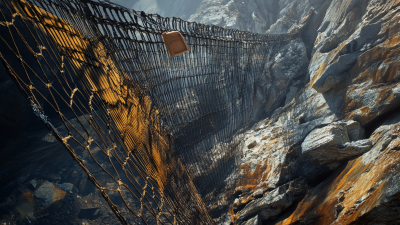
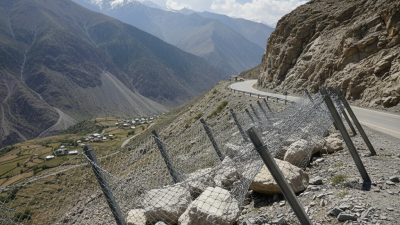
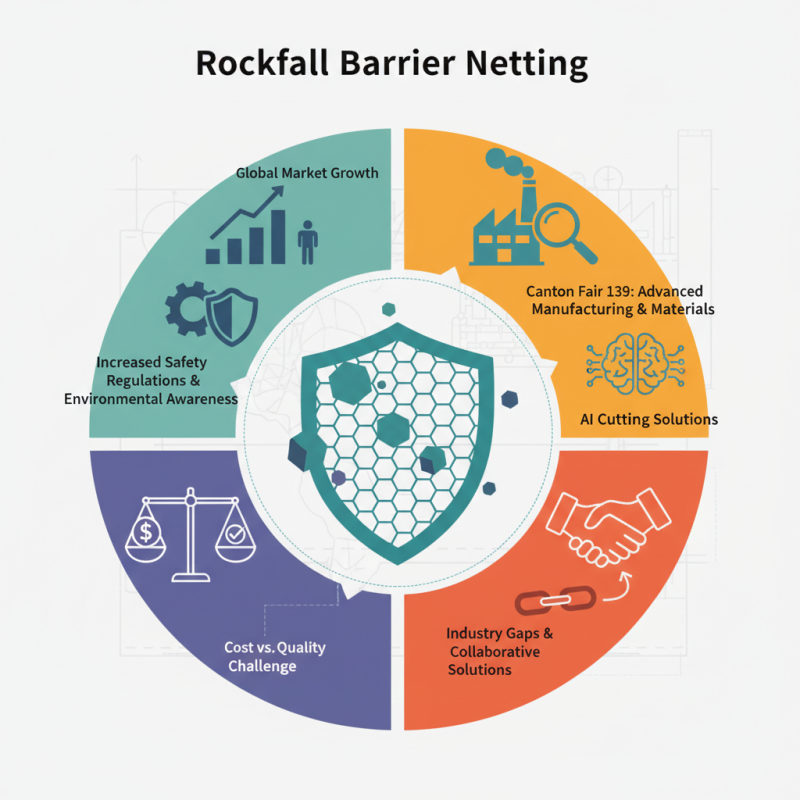
Rockfall Barrier Netting is paramount for ensuring safety in various sectors, particularly in construction and mining. According to industry reports, the global rockfall protection systems market is expected to grow significantly. This growth is driven by increasing safety regulations and a heightened awareness of environmental safety. In 2021, the rockfall barriers segment accounted for a substantial market share, reflecting the critical need for innovative solutions that mitigate rockfall impacts.
At the upcoming Canton Fair 139, the focus will be on advanced manufacturing and construction materials. Exhibitors will showcase cutting-edge Rockfall Barrier Netting solutions that meet international standards. Recent advancements have integrated AI technology, enhancing product effectiveness and efficiency. However, the challenge remains in ensuring all products are robust enough to withstand extreme conditions.
Analysis shows that while many companies have made progress, there are still gaps in the market. For instance, some manufacturers struggle to balance cost and quality. This aspect often forces buyers to make tough choices. Addressing these issues head-on is essential for the industry’s growth and reliability. The Canton Fair offers a unique opportunity to explore these solutions and promote better safety practices.
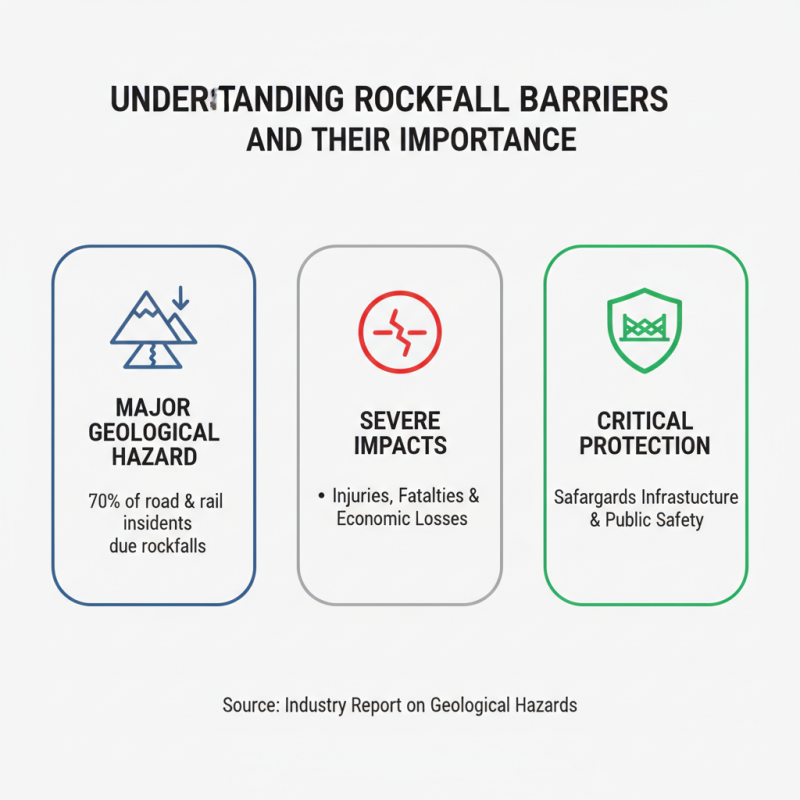
Understanding Rockfall Barriers and Their Importance
Rockfall barriers play a vital role in safeguarding infrastructure and ensuring public safety, particularly in mountainous regions. According to a recent industry report, rockfalls account for over 70% of all geological hazards affecting roadways and railways. These incidents can lead to severe injuries, fatalities, and significant economic losses, emphasizing the necessity of robust rockfall mitigation strategies.
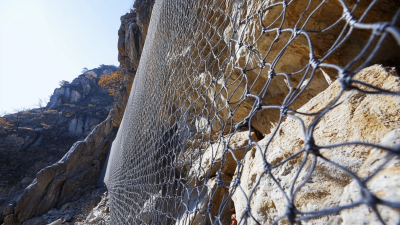
Effective barrier netting can significantly reduce the risk of rockfalls. A study highlighted that barriers designed with high-tension materials can withstand impacts of over 4,000 Joules. This serves as a reminder for professionals in the field to prioritize material selection and installation methods. Ensuring the right angle for netting can enhance its effectiveness. Optimal placement is crucial to avoid potential failures.
Tips for implementing effective rockfall barriers include conducting thorough site assessments. Knowing the geological conditions aids in selecting appropriate materials. Additionally, regular maintenance checks are essential to ensure the barriers remain effective over time. An overlooked barrier can lead to disastrous outcomes. Some organizations have reported increasing installations by 30% due to heightened awareness of safety protocols. This growth reflects an industry shift toward preventative measures in managing rockfall hazards.
Key Considerations for Rockfall Barrier Netting Selection
When selecting rockfall barrier netting, several key factors come into play. First, understanding the geology of the area is crucial. Studies show that nearly 65% of rockfall incidents occur in regions with steep slopes and loose soil. Thus, assessing the local landscape helps determine the appropriate netting type. Geotechnical reports can provide insight into site-specific risks and guide decisions.
Durability is another vital consideration. High-quality netting can withstand intense weather conditions. A recent industry report indicates that netting materials with UV resistance can last up to 15 years longer than those without. Choosing the right mesh size is equally important. Smaller mesh sizes can catch more debris but may increase installation costs. A balance between cost-effectiveness and safety needs to be found, reflecting on potential trade-offs.
Installation challenges also need attention. The terrain where the netting is placed can complicate the process. Difficult access points may require additional equipment or labor. In one case, improper installation led to a 30% reduction in effectiveness. This emphasizes the need for thorough site evaluations and skilled workers. It's easy to overlook these details in planning, yet addressing them is fundamental to achieving optimal safety.
Rockfall Barrier Netting Features Comparison
Installation Best Practices for Effective Rockfall Barriers
When installing rockfall barriers, careful attention to detail is crucial. A 2022 report indicated that improper installation can lead to a failure rate of up to 30%. This data highlights the importance of following best practices during installation. Workers should ensure proper tensioning of the netting. It is also essential to secure the anchor points adequately. Missing these steps can compromise the system.
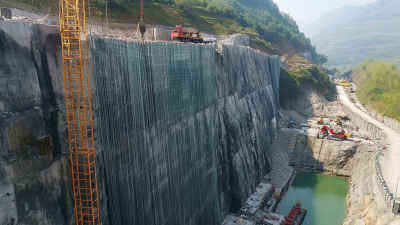
Effective rockfall barriers should be placed in strategic locations. Research suggests that barriers positioned at the base of slopes reduce rockfall impact by 70%. Attention should be paid to the slope's geology. Each installation site may have unique challenges that require tailored solutions. Personnel must conduct thorough site assessments prior to placing barriers and nets.
One common mistake is neglecting maintenance after installation. Regular inspections can detect wear or fatigue in the materials. A failure to monitor these aspects can diminish the barriers' effectiveness over time. Maintenance is often overlooked, leading to serious consequences in the long run. Ignoring this step may risk the safety of people and infrastructure situated below the barriers.
Maintenance Tips to Ensure Longevity of Barrier Netting
Maintaining barrier netting is crucial, especially when preparing for events like the Canton Fair 139. Regular inspections help identify issues. Look for signs of wear or tear. Even small damages can lead to bigger problems. Portions of the net may fray or loosen over time. These issues need immediate attention. Repair them as soon as possible.
Cleaning the netting is another important task. Dust, dirt, and debris can accumulate. This buildup may affect the barrier's performance. Use a gentle detergent and water for cleaning. Avoid harsh chemicals that could degrade the material. Rinse thoroughly and let it dry completely before reinstallation. Timing matters. Clean and maintain during off-seasons. Rushing maintenance can lead to oversights.
Consider environmental factors too. Strong winds and heavy rain can put additional stress on the net. Check the support structures regularly. They should remain secure and stable. Be aware of any rust or corrosion. Addressing these issues can prolong the netting’s lifespan. Skipping these steps might seem convenient but can lead to costly repairs later. Always plan for the unplanned. It's essential for ensuring the netting remains effective and reliable.
Top Tips for Rockfall Barrier Netting at Canton Fair 139? - Maintenance Tips to Ensure Longevity of Barrier Netting
| Tip Number |
Maintenance Tip |
Recommended Frequency |
Expected Lifespan Extension |
| 1 |
Regular Inspections for Damage |
Monthly |
Up to 2 years |
| 2 |
Tension Adjustment |
Biannual |
Up to 1 year |
| 3 |
Cleaning from Debris |
Quarterly |
Up to 3 years |
| 4 |
Repairing Minor Tears |
As Needed |
Up to 4 years |
| 5 |
Inspecting Anchor Points |
Annually |
Up to 5 years |
Innovations in Rockfall Barrier Technology at Canton Fair 139
At Canton Fair 139, innovations in rockfall barrier technology take center stage. These advancements focus on improved safety and effectiveness in preventing rockfall hazards. New materials are emerging, showcasing lighter yet stronger properties. This allows for easier installation and maintenance.
Some solutions include modular designs for quick assembly. This is a significant improvement compared to traditional methods. However, there are still challenges. For instance, ensuring durability in varied environmental conditions can be tricky. Testing in real-world scenarios is crucial for refining these new technologies.
Aesthetic considerations are also growing in importance. Designers are working to make barriers blend into natural surroundings. This can help reduce visual impact. While these innovations are promising, the industry must remain mindful of potential shortcomings. Balancing functionality and aesthetics requires ongoing dialogue and feedback.