What Is Powder Coating and What Types Are Available?
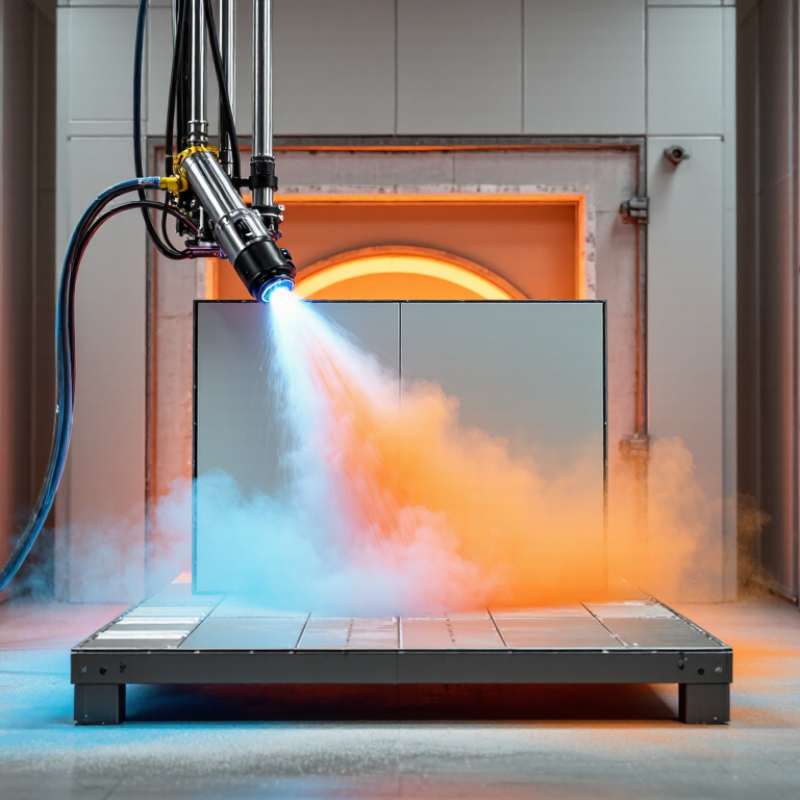
Powder coating is a dry finishing process that protects metal while adding color, texture, and visual consistency. Unlike liquid paint, it uses finely ground resin, pigments, and additives. An electrostatic spray gun charges the particles, helping them cling to a grounded steel panel. Heat then melts and cures the powder into a continuous film.
The method appears on appliance housings, bicycle frames, architectural aluminum, automotive parts, and outdoor furniture. The Powder Coating Institute describes powder coating as a process that normally avoids liquid solvents during application. This can reduce solvent-related emissions, although curing still requires energy and careful process control. Surface preparation remains critical. Oil, rust, moisture, or weak pretreatment can cause blistering and early failure.
The available types include thermoset and thermoplastic powders. Epoxy offers strong adhesion and chemical resistance, but sunlight can degrade it. Polyester generally provides better exterior weathering. Hybrid epoxy-polyester powders suit many indoor applications. Thermoplastic options, including nylon and polyethylene, can deliver toughness and thicker protective layers.
The market is expanding. Grand View Research estimated the global powder coatings market at about USD 15.9 billion in 2023, with continued growth expected through 2030. MarketsandMarkets also forecasts steady expansion, though its figures differ because research methods and market definitions vary. Forecasts are not guarantees.
Choosing correctly requires more than selecting a color chart. Engineers should examine substrate preparation, film thickness, curing temperature, corrosion exposure, impact requirements, and end-use conditions. This guide explains how Powder coating works and compares its major types, benefits, limitations, and practical applications. Some assumptions deserve testing. Real performance depends on the complete finishing system.
What Powder Coating Is and How It Differs from Liquid Paint
Powder coating is a dry finishing process, not a thinner version of liquid paint. The coating arrives as fine polymer particles with pigments and additives. An electrostatic spray charges these particles, helping them cling to a grounded metal panel. Heat then melts and cures the layer into a continuous film. The U.S. Environmental Protection Agency notes that powder systems contain little or no solvent, so they generally release far fewer volatile organic compounds during application.
Liquid paint carries resin and pigment in water or solvent. It needs drying, evaporation, or chemical curing after spraying. Powder coating needs an oven, commonly operating around 160–200°C. That difference matters for heat-sensitive materials. It also affects workshop layout, energy use, and production speed. Overspray may be collected and reused, although recovery is never perfectly efficient. Some powder is lost in filters or contaminated by color changes.
There are two main types. Thermoset powders chemically cross-link during curing and are widely used on steel, aluminum, appliances, and architectural parts. Thermoplastic powders melt without forming the same permanent network, making them useful where toughness or remelting matters. According to Grand View Research’s 2024 market report, the global powder coatings market reached about $15.94 billion in 2023, with continued growth expected through 2030. That growth suggests practical value, not universal superiority. Powder coating can deliver strong coverage and low solvent emissions, but liquid paint still suits complex repairs, low-temperature substrates, and small on-site jobs.
How the Powder Coating Process Works Step by Step
Powder coating is a dry-finishing method for metal surfaces. It uses finely ground particles instead of liquid paint. Common types include thermoset powders and thermoplastic powders. Each type behaves differently under heat and service conditions.
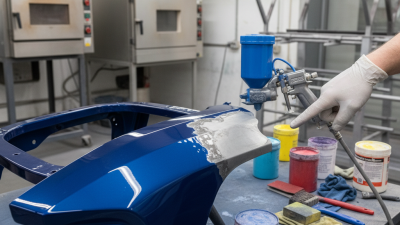
The process begins with inspection and cleaning. Oil, rust, and fingerprints can weaken adhesion. Surface preparation decides everything. Operators may use blasting or chemical pretreatment, depending on the metal and required durability. The part must then dry completely. Moisture trapped in seams can cause bubbling later. Racks connect the part to ground, allowing the charged powder to cling evenly. A spray gun applies the powder through electrostatic attraction. The coating should look uniform, not excessively thick. Not decorative dust.
Next, the coated part enters a curing oven. Heat melts the particles and starts a controlled chemical reaction. Thermoset powder forms a permanent film that cannot be remelted. Thermoplastic powder softens again when reheated, which suits selected applications. Oven temperature alone is not enough. The metal itself must reach the specified curing temperature for the required time. Technicians check this with temperature records and test panels.
After cooling, inspectors examine coverage, color, gloss, adhesion, and film thickness. Edges and deep corners deserve extra attention. A practical lesson is that a perfect spray cannot repair poor preparation. Even careful work can fail when grounding is weak or the oven load changes. Rechecking these details may seem slow, but skipping them creates costly rework.
Advantages and Limitations of Powder Coating
Powder coating is a dry finishing process for metal parts. Operators spray electrically charged powder onto a grounded surface. Heat then melts and cures the particles into a continuous film. The main options are thermoset and thermoplastic powders. Thermoset coatings usually provide stronger heat and chemical resistance. Thermoplastic coatings can be tougher and sometimes reheated for reshaping. Matte, gloss, textured, and metallic appearances are widely available.
Its biggest advantage is durability. A properly prepared coating can resist scratches, moisture, and everyday corrosion better than many liquid finishes. The finish also produces little airborne solvent pollution during application. Overspray may be collected and reused, although recovery efficiency depends on the equipment and color. Powder creates a consistent surface on brackets, frames, tools, and outdoor fixtures. It also covers edges well when the operator controls film thickness carefully. Too much powder causes sagging or uneven texture.
Limitations deserve equal attention. The coated part must usually tolerate oven temperatures around 160–200°C. Heat-sensitive plastics, seals, and assembled electronics may fail during curing. Repairs can be difficult because a new patch may not match the original texture or color. Sharp corners, deep recesses, and trapped moisture still require careful preparation. Poor cleaning can cause peeling within months. I have found that sample panels often look excellent, while production parts reveal grounding or thickness problems. Powder coating is efficient, but it is not automatically the best choice for every substrate, climate, or repair schedule.
What Is Powder Coating and What Types Are Available?
Powder coating is a dry-finishing process in which electrically charged powder particles are applied to a grounded surface and then heated until they melt and form a continuous protective film. The chart shows typical curing-temperature ranges for common powder-coating families.
Thermoset powders such as epoxy, polyester, and epoxy-polyester hybrids commonly cure at approximately 150–200°C, depending on the formulation and part thickness. Thermoplastic powders generally require higher temperatures, often around 180–250°C. Powder coating produces very low application VOC emissions and allows some overspray to be recovered, but it requires heat-capable substrates, curing equipment, and adequate ventilation. Epoxy powders offer strong chemical resistance but have limited outdoor color and gloss durability, while polyester powders are generally better suited to exterior exposure.