Why Is Farm Fence Essential in Livestock Field Management?
In livestock field management, the importance of a reliable farm fence cannot be overstated. A well-constructed livestock field farm fence serves multiple purposes, ensuring both animal safety and crop protection. According to the U.S. Department of Agriculture, livestock loss due to inadequate fencing can reach alarming rates, costing farmers thousands annually. Stray animals not only compromise their safety but can also cause significant damage to neighboring crops.
Farm fences create boundaries that keep livestock contained. This containment minimizes stress for animals. Stress can lead to health issues and lower productivity. A strong farm fence acts as a deterrent to predators, safeguarding livestock from potential harm. The National Agricultural Statistics Service reports that nearly 30% of livestock farmers experience losses due to predator attacks. Regularly maintaining these fences is essential but often overlooked. Reflecting on this, many farmers need to invest more in fence upkeep. The challenge lies in ensuring that the farm fence is both durable and effective.
When considering livestock field farm fence, one must also explore its role in managing grazing patterns. Proper fencing promotes sustainable grazing practices and helps maintain pasture health. However, farmers must constantly evaluate the effectiveness of their fencing strategy. The balance between cost and functionality remains a key concern for many in the industry. The right livestock field farm fence can enhance productivity, but it requires careful planning and consideration.
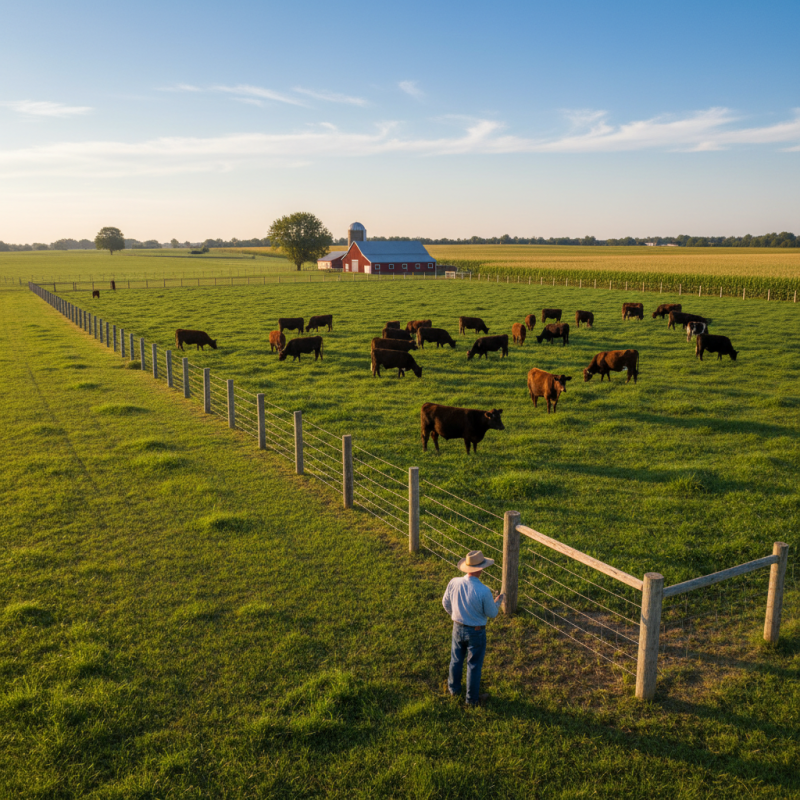
Importance of Farm Fencing in Protecting Livestock from Predators
Farm fencing plays a crucial role in protecting livestock from predators. Strong fences create a barrier that prevents animals like coyotes and foxes from invading. These predators can cause significant harm to sheep, goats, and chickens. A well-constructed fence reduces the chances of attacks. Livestock can graze peacefully, knowing they are safe.
However, maintaining these fences is not always straightforward. Weather can wear down materials and create weak spots. Animals may even push against fences, creating gaps. Regular inspections are essential to identify these issues. Sometimes, even the best intentions fail when a fence does not hold. It is vital to recognize that investing time in fence upkeep pays off in the long run.
Incorporating natural barriers like shrubs alongside fences can enhance protection. Yet, this may require additional planning and effort. Some farmers find themselves overwhelmed by the constant need for repairs. It can be frustrating, but every effort contributes to the safety of the herd. Protecting livestock is a continuous process that demands attention and adaptability.
Why Is Farm Fence Essential in Livestock Field Management?
| Aspect |
Details |
| Protection from Predators |
Fences serve as a barrier, keeping livestock safe from wild animals and predators. |
| Containment |
Fencing prevents livestock from wandering off, reducing the risk of accidents and loss. |
| Boundary Definition |
Clearly marked boundaries aid in managing grazing areas and property lines. |
| Disease Control |
Fences help limit contact between livestock and wild animals that may carry diseases. |
| Security |
Enhanced security measures protect livestock from theft or injury. |
| Reduction of Liability |
Proper fencing can reduce the risk of accidents with the public and limit liability issues. |
Types of Farm Fencing Materials and Their Durability in Livestock Management
Farm fencing plays a pivotal role in livestock management. It serves as a barrier, ensuring that animals remain safe and secure. Different materials are used for fencing, each with unique properties and durability. Selecting the right type is crucial for effective management.
Wooden fencing is traditional. It blends well with nature but requires regular maintenance. If untreated, it can rot or warp over time. Metal fencing, like wire, is durable and requires less upkeep. It withstands harsh weather. However, it can rust if not coated properly.
Vinyl fencing offers a modern option. It's low maintenance and visually appealing. However, its initial cost can be high. Electric fencing provides a strong barrier, keeping animals from straying. But it must be monitored to ensure effectiveness. Each type has its strengths and weaknesses, demanding careful consideration for livestock safety.
Cost-Benefit Analysis of Installing Farm Fencing for Livestock Operations
Installing farm fencing is a critical investment for livestock operations. The initial cost can be daunting, but the long-term benefits often outweigh these expenses. Fences help contain livestock, reducing the chances of escape. This protects not only the animals but also the farm’s investment. Consider how much a lost animal could cost.
A well-built fence can also minimize feed loss. Grazing animals can stray outside designated areas, leading to wasted resources. With effective fencing, you can allocate pasture more efficiently. Make sure to calculate potential savings against installation costs. This analysis can reveal surprising insights.
**Tips:** Regularly inspect your fence lines. Look for gaps or wear that could compromise their integrity. Consider the materials carefully; some may require more maintenance. A stronger fence may mean fewer repairs and replacements later. Also, think about the local wildlife. They can damage livestock fences and create unexpected costs. Take these factors into account to enhance your cost-benefit analysis.
Regulatory Standards and Best Practices for Farm Fencing Design
When managing livestock, farm fencing plays a critical role. It protects animals from predators and keeps them within safe boundaries. Proper design is essential to ensure both effectiveness and compliance with regulatory standards. The regulations often require specific heights, materials, and spacing for fencing, which can vary by region.
While some farmers may overlook the importance of such standards, neglecting them can lead to serious consequences. For instance, poorly maintained fences can result in lost livestock or damage to crops. Regular inspections are crucial, yet many find this task tedious. A lack of attention can lead to costly mistakes. Creating a checklist for routine checks could be beneficial, ensuring both safety and compliance.
Incorporating best practices into fencing design is vital. Options like barbed wire or electric fencing might seem effective, but they also require safety considerations. The right choice depends on the type of livestock and the specific environment. Evaluating local wildlife and terrain can guide farmers in selecting the most suitable materials and designs. However, striking a balance between cost and efficiency is often challenging. Many farmers struggle with this ongoing dilemma, reflecting the complexities of farm management.
Importance of Farm Fencing in Livestock Field Management
This bar chart illustrates the various reasons for implementing farm fencing in livestock management, highlighting aspects such as compliance with regulatory standards, protection from predators, and maintaining herd integrity.
Impact of Effective Fencing on Livestock Health and Farm Productivity
Effective fencing plays a crucial role in livestock health and farm productivity. Well-constructed fences protect animals from external threats and prevent them from straying. According to a report by the American Society of Agricultural and Biological Engineers, losses due to animal escape account for over $1.5 billion annually in the livestock sector. This number highlights the financial impact of inadequate fencing.
Proper fencing can also minimize disease transmission. Animals that roam freely may come into contact with wild species, exposing them to various diseases. A study from the Journal of Animal Science suggests that controlled grazing limits stress and improves animal overall health. Healthy livestock lead to increased weight gain and higher milk production, boosting farm earnings.
However, fencing is not always foolproof. Weather, terrain, and animal behavior can compromise its effectiveness. Regular inspections and maintenance are necessary to ensure that fences remain robust. Many farmers underestimate this ongoing need, which can lead to costly failures. Reflecting on these aspects is vital for improving both animal welfare and farm efficiency.