Top 10 Tips for Effective Livestock Field Farm Fence Solutions?
Effective fencing is essential in keeping livestock secure. According to the "Livestock Management Report 2022," over 30% of livestock losses are due to fencing failures. Implementing a robust "Livestock Field Farm Fence" can significantly reduce these losses. Expert John Davis, a renowned agronomist, states, "A strong fence is the backbone of any successful farm." His insights emphasize the importance of proper fencing solutions.
Many farmers overlook the specific needs of their livestock when planning fences. Choosing the right materials and designs can be challenging. For example, barbed wire may deter some animals but can injure others. Understanding your livestock's behavior is crucial. The right fence can prevent costly escapes and potential injuries.
Farmers must regularly evaluate their fencing strategies. It's easy to become complacent and neglect repairs. Regular maintenance can ensure the longevity of your fences. Ignoring wear and tear may lead to accidents. In this article, we explore ten tips for enhancing your "Livestock Field Farm Fence" solutions, focusing on practicality and safety for your farm's unique needs.
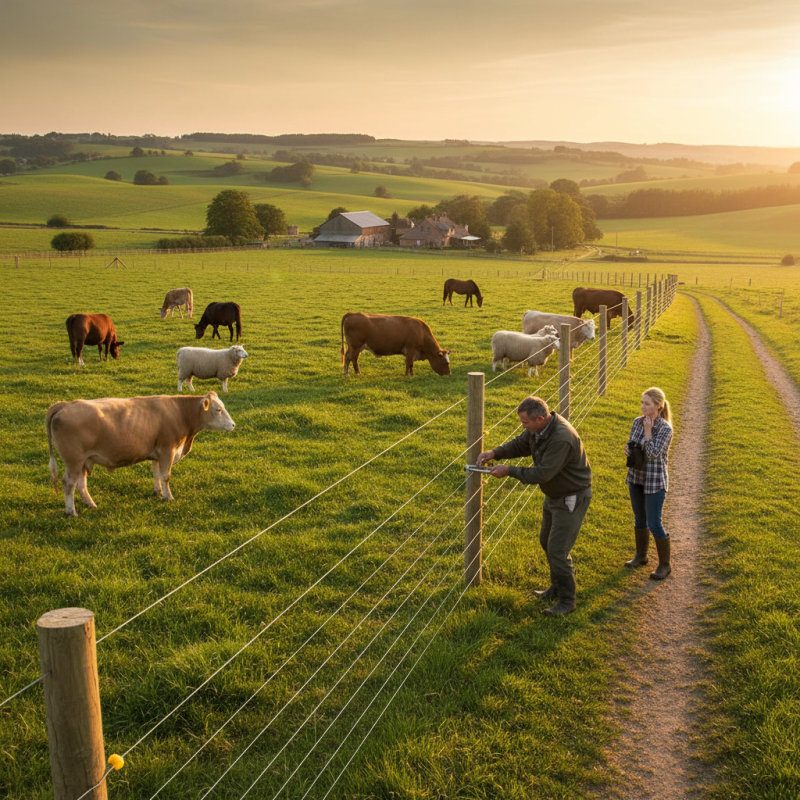
Understanding the Importance of Livestock Fencing on Farms
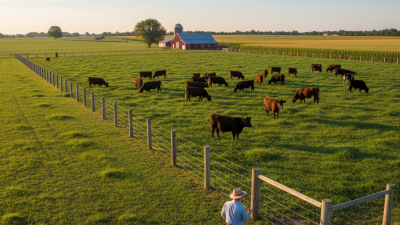
Livestock fencing plays a crucial role on farms, serving as a boundary that ensures the safety of animals. Effective fencing not only keeps livestock contained but also protects crops from grazing animals. The U.S. Department of Agriculture reports that inadequate fencing can lead to significant economic losses, with farmers losing up to 20% of their herd each year due to escape incidents. This statistic highlights the necessity of quality fencing solutions.
Investing in proper fencing is imperative for long-term farm success. Research indicates that solid, reliable fencing can reduce labor costs associated with recovering lost animals. Furthermore, studies show that well-maintained fences can increase land productivity by up to 15%. However, many farmers overlook regular inspections. Neglected fences often lead to costly repairs or replacements. An effective fencing strategy should include both durable materials and design tailored to the specific needs of livestock.
Moreover, the environmental impact of fencing should not be underestimated. Sustainable fencing materials are vital in reducing ecological footprints. As farmers face growing pressure to enhance sustainability, choosing eco-friendly options can reflect positively on their practices. Yet, the transition can be challenging. Some producers remain hesitant, fearing upfront costs. Balancing the budget with effective fencing solutions requires careful planning and consideration.
Top 10 Tips for Effective Livestock Field Farm Fence Solutions
Choosing the Right Materials for Durable Livestock Fencing
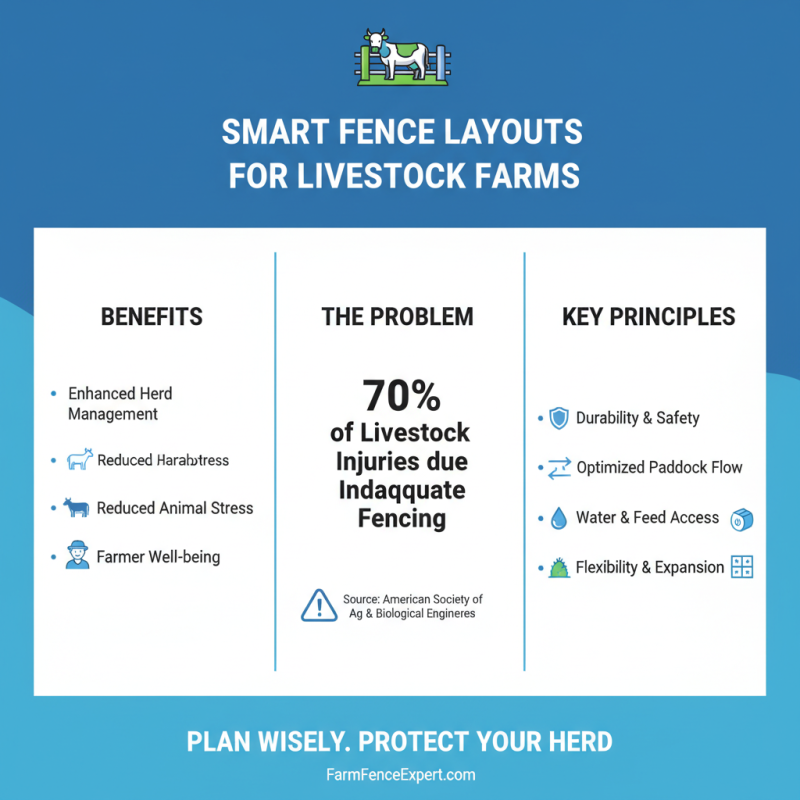
Choosing the right materials for durable livestock fencing is crucial. Solid fencing helps protect livestock from predators and prevents them from straying. In a recent industry report, more than 70% of farmers noted that fencing quality directly affects livestock safety and productivity.
Wood is a traditional choice, known for its strength. However, it can rot over time. In wet climates, this poses a significant risk. Steel is another option. It lasts longer, resisting rust and decay. Yet, it can be costly and might require specialist installation. Composite materials offer a middle ground but can be less effective against larger animals.
Consider environmental factors too. Fencing in sunny areas may need UV protection, while areas prone to excess moisture may require drainage considerations. According to a study, nearly 30% of livestock losses are related to inadequate fencing. Farmers should scrutinize their materials and installation methods with a critical eye. Regular maintenance is often overlooked. This can prevent expensive repairs or livestock loss in the future.
Techniques for Proper Installation of Livestock Fences
When installing livestock fences, proper techniques are crucial for success. Assess your land carefully before starting. Identify any uneven terrain or obstacles. This ensures a smoother installation process. Measure the area precisely to determine how much material you need. Undercutting can lead to wasted supplies, so take your time.
Tip 1: Use strong posts. They anchor your fence, providing stability. Wooden or metal posts work well, but ensure they are durable. If your soil is soft, consider deeper settings for your posts.
Tip 2: Consider electric options. Electric fences can be effective and flexible. They deter livestock from wandering off. However, ensure proper grounding. An improperly grounded system leads to failure. Check connections regularly for efficiency.
Installing livestock fences requires patience. Mistakes can happen, like misaligned wires or weak gates. Reflect on each step. Evaluate what works and what doesn’t. Learning from experience is key. A strong fence is an investment in your livestock's safety.
Top 10 Tips for Effective Livestock Field Farm Fence Solutions
| Tip Number |
Tip |
Description |
Best Material |
| 1 |
Choose the Right Location |
Select a flat area avoiding flooding and erosion. |
Chain Link Fencing |
| 2 |
Consider the Type of Livestock |
Different animals require different fence heights and strengths. |
Electric Fencing |
| 3 |
Use Durable Materials |
Invest in long-lasting materials to reduce maintenance. |
Field Wire Fencing |
| 4 |
Install Proper Gates |
Ensure gates are sturdy and easy to operate. |
Metal Gates |
| 5 |
Check Local Regulations |
Understand zoning laws and fencing regulations. |
N/A |
| 6 |
Planning for Wildlife |
Account for local wildlife to prevent damage. |
High Tensile Wire |
| 7 |
Height Matters |
Ensure the fence is high enough for the type of livestock. |
Barbed Wire |
| 8 |
Regular Maintenance |
Conduct periodic inspections and repairs. |
N/A |
| 9 |
Use Supports and Posts |
Install sufficient posts to support the fence structure. |
Wooden Posts |
| 10 |
Incorporate Lighting |
Light the area to deter predators and enhance visibility. |
Solar Lights |
Maintenance Tips to Ensure Longevity of Farm Fences
Maintaining your farm fences is crucial for effective livestock management. Regular inspection helps identify potential issues before they become major problems. Look for rust, loose posts, and missing boards. These small observations can save time and money later.
Tip: Schedule seasonal checks. Spring and fall are ideal for inspections. Address issues immediately. When weather changes occur, the ground shifts. This can loosen posts, requiring extra attention.
Keep fences clear of debris. Overgrown plants can weaken the structure. Trim nearby vegetation regularly. This ensures the fence stays strong and visible.
Tip: Repair minor damages quickly. A small hole can become a big problem. Animals may escape or get injured. Check gates, too. They often wear out faster than you think.
Lastly, consider using natural materials for repairs. They blend better with the environment. Sometimes, patching with wood looks unprofessional. Aim for a seamless repair that lasts.