How to Choose the Right Powder Coating for Your Project?
Choosing the right powder coating for your project requires careful consideration. Powder coating offers durability and aesthetic appeal. It protects surfaces from corrosion and wear. Yet, its effectiveness can vary based on application and materials.
When selecting powder coating, think about your project's requirements. Different colors, textures, and finishes can significantly affect the outcome. For instance, a glossy finish might be perfect for automotive parts but not for outdoor furniture. Each detail matters.
You might question your choices later. Did you consider the environment where the coated item will be used? Will the finish withstand weather changes? Reflecting on these aspects ensures a successful project outcome. Proper research and thoughtful decisions lead to better results in powder coating applications.
Understanding the Basics of Powder Coating Types
Powder coating is a popular finishing process. It offers durability and a variety of colors. Different types of powder coatings cater to specific needs. Understanding these can help in making the right choice for your project.
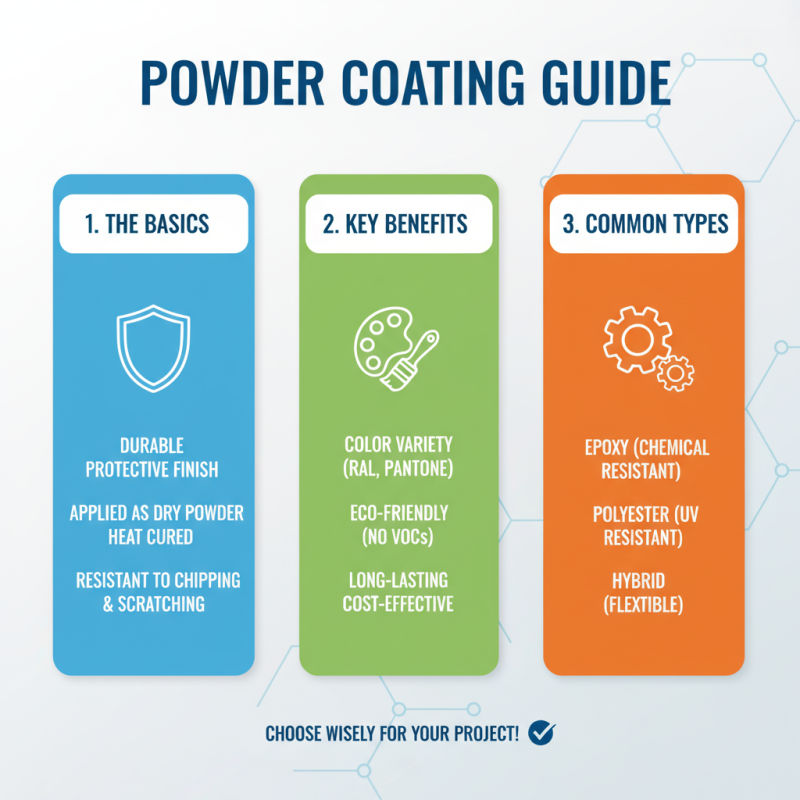
There are several types of powder coatings. Thermosetting powders are common for their excellent durability. They cure at high temperatures, forming a tough finish. Thermoplastic coatings, on the other hand, can be remolded. They are more flexible and may be a better choice for certain applications. Choosing between them depends on the intended use and environmental factors.
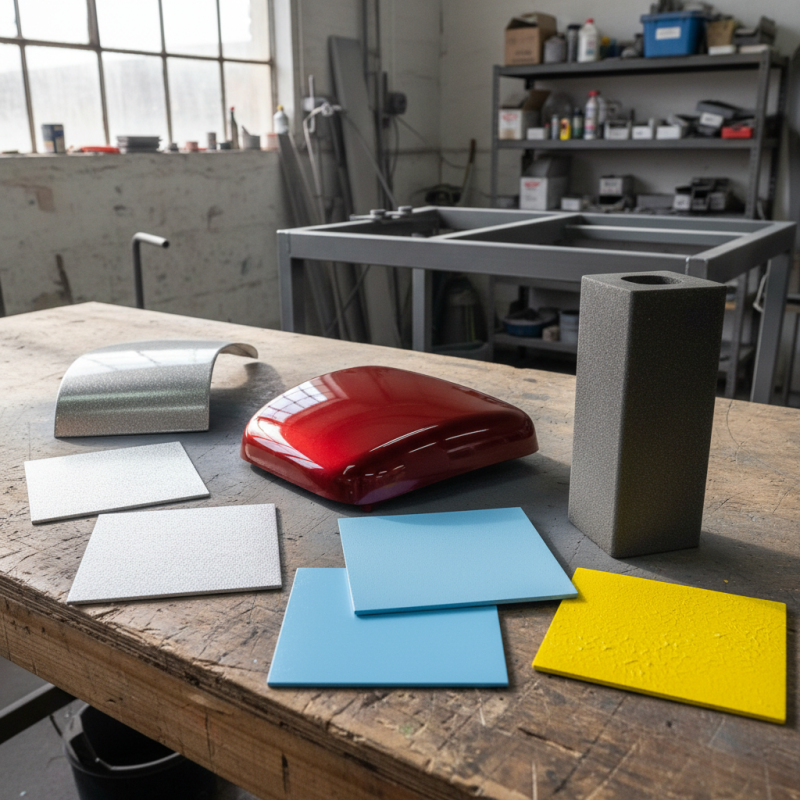
Another aspect to consider is the texture and finish. Textured finishes hide surface imperfections well. Glossy finishes, while attractive, can show every flaw. This choice should align with the project’s aesthetic goals. It's crucial to reflect on what you want to achieve. Sometimes, the wrong finish can lead to dissatisfaction. Always sample different coatings before committing. This can prevent costly mistakes later on.
Evaluating Project Requirements and Environmental Factors
Choosing the right powder coating for your project begins with understanding the project requirements. Consider the materials involved. Is it metal, plastic, or something else? The substrate can greatly influence your choice of coating. For example, certain coatings adhere better to metal surfaces than to plastic ones.
Environmental factors are equally important. Will your project be exposed to harsh conditions? Consider sunlight, humidity, and temperature fluctuations. These elements can degrade some powders over time. Certain coatings are designed to withstand UV light or corrosive environments. Make sure to evaluate the specific conditions your project will face.
It's easy to overlook details. Sometimes, the surface preparation process is an afterthought. Poor preparation can lead to chipping and peeling. A good finish requires attention. In some cases, you might choose a coating that looks good but doesn't hold up. Reflecting on past projects can teach important lessons here. Each choice shapes the longevity and appearance of your coating.
How to Choose the Right Powder Coating for Your Project?
| Coating Type |
Best Use Cases |
Durability |
Environmental Resistance |
Finish Options |
| Epoxy Powder Coating |
Interior applications, Automotive parts |
High |
Moderate |
Glossy, Matte |
| Polyester Powder Coating |
Outdoor furniture, Architectural components |
Very High |
Excellent UV resistance |
Textured, Smooth |
| Hybrid Powder Coating |
General industrial use |
High |
Good, but less than epoxy |
Variety of finishes |
| Fluoropolymer Coating |
Severe weather conditions, Chemical exposure |
Exceptional |
Outstanding |
Glossy, Satin |
| Metallic Powder Coating |
Decorative applications, High-end products |
Moderate to High |
Good |
Metallic, Sparkle |
Comparing Durability, Finish, and Color Options
When selecting a powder coating, durability is often the top concern. A coating must withstand harsh conditions. Look for options that resist corrosion, UV rays, and scratches. Some finishes may look amazing but don’t last long. It’s crucial to balance aesthetics and longevity. Choosing a high-quality powder can save time and money in the long run.
Finish types vary widely. Glossy surfaces reflect light beautifully. Satin finishes offer a softer look. Matte finishes provide a modern touch. Each finish has unique maintenance needs. Glossy surfaces show fingerprints easily. Matte finishes might hide imperfections but can be harder to clean. Experimenting with samples helps make the best choice.
Color options add fun to the project. Bright hues can energize a space, while neutrals offer versatility. However, some colors fade faster than others. Dark colors may absorb more heat, affecting durability. Visually, think about the environment and surrounding elements. The right color should complement more than just itself; it should enhance the overall design.
Analyzing Application Methods and Equipment Needs
When analyzing application methods for powder coating, it’s crucial to consider your project’s requirements. Different methods cater to various needs. Electrostatic spraying remains a popular choice. It ensures an even application, but it may require expertise. Manual application can be more accessible. However, it might lead to inconsistent coats. Therefore, careful thought is necessary here.
Equipment plays a significant role in the application process. Spray guns, for example, come in various types. Some are designed for precision, while others cover large areas quickly. Choosing the right gun affects the finish quality. Maintaining machinery can be tricky. A neglected machine may hinder performance and lead to waste.
Other considerations include the environment and workspace setup. A well-ventilated area is essential for safety. Dust and contaminants should be minimized before coating. Lighting also impacts the application process. Insufficient light can lead to missed spots. Effective planning can mitigate these issues, yet it often gets overlooked. Balancing these factors can seem daunting, but it significantly enhances the final output.
How to Choose the Right Powder Coating for Your Project?
Assessing Cost-Effectiveness and Availability of Materials
Choosing the right powder coating involves understanding cost-effectiveness and material availability. When assessing these factors, look at local suppliers and compare prices. Availability can affect your timeline. If a specific color or type isn’t readily available, you may face delays.
Tips: Always check if materials are in stock. This can save you time. Build relationships with suppliers. They can provide insights on new products.
Consider the quality-to-price ratio. Cheaper materials may not have the durability you need. Testing a small batch first can help. If it doesn’t perform as expected, rethink your choice. Don’t rush the decision. Evaluate what is truly essential for your project versus what you want.
Tips: Take your time deciding. Consult with experienced users before making a purchase. Use online forums to gather opinions.