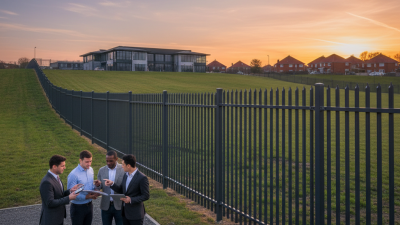
How to Choose the Right Palisade Fencing Panel?
Choosing the right Palisade Fencing Fencing Panel requires more than comparing prices. The correct choice depends on security needs, site conditions, panel strength, and installation quality. A secure fence should fit the property, not simply look impressive in a catalogue.
Begin by examining the ground. Uneven soil, loose foundations, and exposed corners can affect panel stability. Measure the boundary carefully, including slopes, gates, and access points. A site visit often reveals problems that drawings miss. I have seen small measurement errors create awkward gaps and expensive adjustments.
Panel profile and steel thickness deserve close attention. Pressed sections can improve rigidity, while suitable coatings help resist rain, frost, and surface corrosion. Ask suppliers for material details, coating information, load guidance, and installation recommendations. Reliable manufacturers should explain these points clearly, without hiding behind vague claims.
Security requirements also influence the design. A residential boundary may need a different height and profile from a warehouse or utility site. Consider visibility, climbing resistance, maintenance access, and local environmental conditions. Stronger is not always better. Over-specifying a system can waste money and complicate installation.
There is no universal panel.
Check the posts, fixings, and foundations as carefully as the panels. A high-quality panel can still perform poorly when installed with weak supports or unsuitable bolts. Review completed projects, product testing, and warranty terms before ordering. Even experienced buyers can overlook drainage or future gate access. That is why a careful comparison, supported by professional advice, remains the safest path to a durable Palisade Fencing Fencing Panel system.
Understanding Palisade Fencing Panels and Their Main Functions
How to Choose the Right Palisade Fencing Panel?
Understanding Palisade Fencing Panels and Their Main Functions
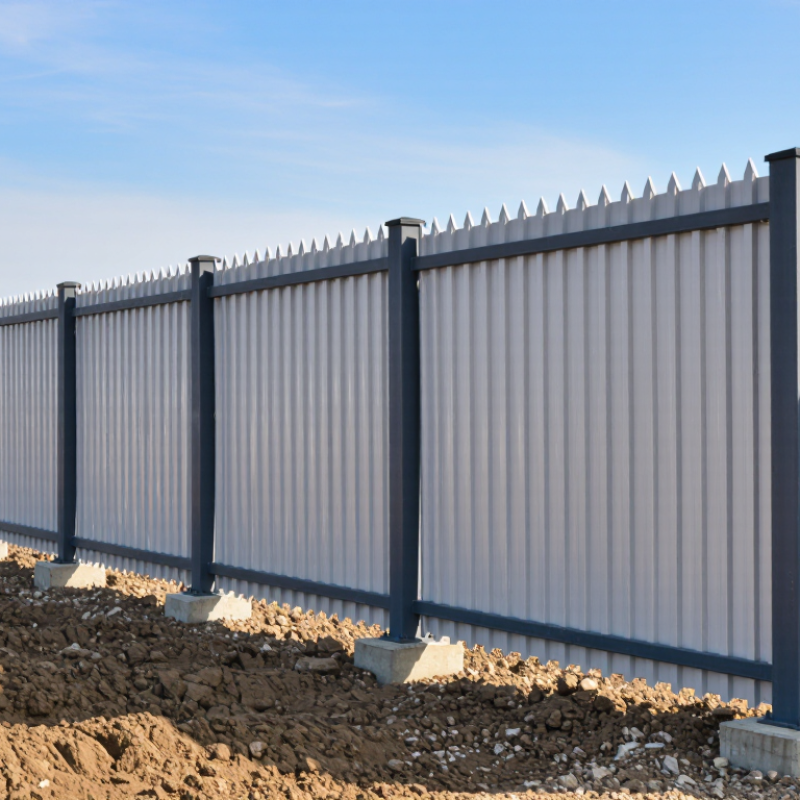
Palisade fencing panels are formed from vertical steel pales connected by horizontal rails. Each pale may have a rounded, notched, or angled top. These shapes influence climbing resistance and visual appearance. The gaps between pales preserve visibility across the boundary. That gap matters. Security staff can inspect activity without opening the fence.
During site surveys, I look beyond panel height. A taller panel can improve deterrence, but it may also face stronger wind pressure. Ground conditions, post spacing, and fixing quality deserve equal attention. A poorly anchored panel can fail before the steel itself shows damage. This is easy to overlook.
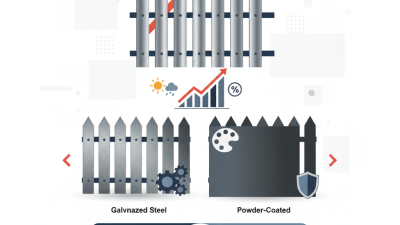
The panel’s main functions are clear: define a boundary, discourage forced entry, and support controlled site visibility. Heavier-gauge steel suits areas needing stronger impact resistance. Lighter panels may work for lower-risk properties, although choosing them only by price can create future maintenance problems. Galvanised or suitably coated surfaces help resist rain and surface corrosion. However, coating quality depends on preparation, handling, and local exposure.
Consider the site’s purpose, not just its appearance. Warehouses may need robust panels and secure gates. Utility compounds may require visibility around critical equipment. Schools and public areas need careful attention to safe edges and appropriate access control. Check local planning and safety requirements before installation. My own assessment can still be imperfect; soil changes, drainage, and later landscaping often alter the original assumptions.
Assessing Security, Site Conditions, and Protection Requirements
How to Choose the Right Palisade Fencing Panel?
Security begins with the site, not the catalogue. The FBI Crime Data Explorer reported an estimated 11.9% fall in U.S. burglary offences in 2023. However, local exposure still varies sharply between a staffed depot and an isolated boundary. NPSA perimeter-security guidance recommends risk-based design, layered protection, and sufficient delay for response. A taller panel may deter climbing, but it cannot compensate for weak gates, poor lighting, or an unprotected service road.
Inspect the ground carefully. Soft soil may require deeper foundations or reinforced posts. Sloping terrain can create gaps beneath panels. Coastal air demands corrosion-resistant finishes, while industrial sites may need stronger protection against impact. Choose pale spacing that limits hand and foot access, then match the panel height to the threat assessment. Keep fixings tamper-resistant and inspect welds, rails, and concrete edges during installation. Small details matter.
Think about response time. A panel that delays entry for several minutes may be valuable when alarms reach a staffed control room. It matters less on an unmanned site with no patrol coverage. The UK HSE stresses that worksite controls must reflect actual conditions, not assumptions. That point is easy to miss. I have seen specifications favour heavier steel while ignoring drainage, gate alignment, and maintenance access. Security is never only about thickness.
Choosing Compatible Posts, Rails, Fixings, and Gate Components
Choosing the right palisade fencing panel begins with compatibility, not appearance. Measure the panel height, width, thickness, and rail position. Small mismatches create stress at the joints. Check the post profile and fixing holes before ordering. A panel that fits one post may not suit another. Confirm the steel grade and protective coating for local conditions. Coastal air needs stronger corrosion resistance. Taller panels also require deeper, better-supported posts.
Rails should remain level and firmly supported between posts. Use brackets designed for the panel and post geometry. Slotted connections allow minor adjustment, but excessive movement signals a poor fit. Select bolts, nuts, and washers with compatible corrosion resistance. Galvanised fixings can still fail beside unsuitable materials. Tighten them securely, but do not crush the panel edges. I have seen rushed installations loosen after one harsh winter. This step is often skipped.
Gate components need separate attention. Match gate posts to the leaf weight, hinge design, and opening width. A pedestrian gate may need different hardware from a vehicle gate. Check hinge adjustment, latch reach, clearance, and stop position before concrete sets. Leave enough ground clearance for drainage and seasonal movement. Do not assume the fence line is perfectly level. It rarely is. A trial assembly with temporary fixings can expose errors early. Record measurements and photograph hidden connections for future maintenance. Local conditions and installation guidance should influence the final selection.
How to Choose the Right Palisade Fencing Panel?
Select posts that provide the panel height plus sufficient ground embedment. The chart uses a typical 600 mm nominal embedment allowance for standard freestanding installations. Final post dimensions must be checked against soil conditions, wind exposure, foundation design, and local fencing requirements.
For a compatible system, match the rail profile and hole pattern to the selected panel, use corrosion-resistant fixings sized for the rail and post thickness, and specify gate posts with additional strength for hinge and latch loads. Gate height, panel profile, security rating, and access requirements should match the surrounding fence line.
Checking Standards, Installation Needs, Maintenance, and Long-Term Value
How to Choose the Right Palisade Fencing Panel?
Choosing a palisade panel starts with the correct standard, not its appearance. In Europe, BS EN 10223-7 covers steel palisade fencing requirements. Elsewhere, request an equivalent national standard. Ask for the material grade, panel thickness, weld quality, and coating certificate. A shiny finish proves little. Measure post spacing, panel height, and ground levels before ordering. Gates need accurate hinge positions and practical clearances. A panel that fits poorly creates expensive site adjustments.
Installation conditions deserve equal attention. Check whether the ground is clay, loose fill, rock, or concrete. Concrete foundations need suitable depth and drainage. Poor drainage accelerates corrosion. The NACE International IMPACT study estimated global corrosion costs at 3.4% of GDP, or about 2.5 trillion dollars annually. That figure makes surface protection a financial issue, not merely a technical detail. For galvanized steel, ISO 1461 specifies minimum zinc thicknesses, including 70 microns for steel between 3 and 6 millimeters thick. These are coating requirements, not guarantees against every site condition. Inspect cut edges, welds, and damaged areas after installation. Use compatible repair materials.
Long-term value depends on total ownership cost. A cheaper panel may require earlier repairs, repainting, or replacement. Compare purchase, foundations, labor, inspections, and maintenance over ten years. Record corrosion spots with photographs and dates. Small defects are easier to manage. The awkward truth is that no panel suits every site. I would not select a heavy panel where weak ground causes foundation failure. Security needs, wind exposure, climate, and access patterns must be weighed together. Sometimes the best specification is the one that avoids unnecessary complexity.