How to Choose the Right Temporary Safety Fence for Your Project Needs
In the ever-evolving landscape of construction and outdoor projects, the significance of a
reliable Temporary Safety Fence cannot be overstated.
As John Smith, a leading expert in site safety and security,
once said, "The right safety barriers not only protect the workers but also ensure the integrity
of the project." Choosing the appropriate Temporary Safety Fence is crucial for maintaining
a secure environment, particularly in urban areas where space and safety regulations can be challenging.
With a multitude of options available, selecting the best temporary fencing solution requires careful
consideration of various factors, including the nature of the project, the site conditions, and
regulatory requirements. Failing to choose the right type of Temporary Safety Fence
could lead to safety hazards, project delays, and increased costs.
This guide aims to highlight the top five considerations to make when selecting
a Temporary Safety Fence, ensuring that decision-makers understand the essential aspects to protect
their workforce and the integrity of their projects.
Understanding the Different Types of Temporary Safety Fences Available
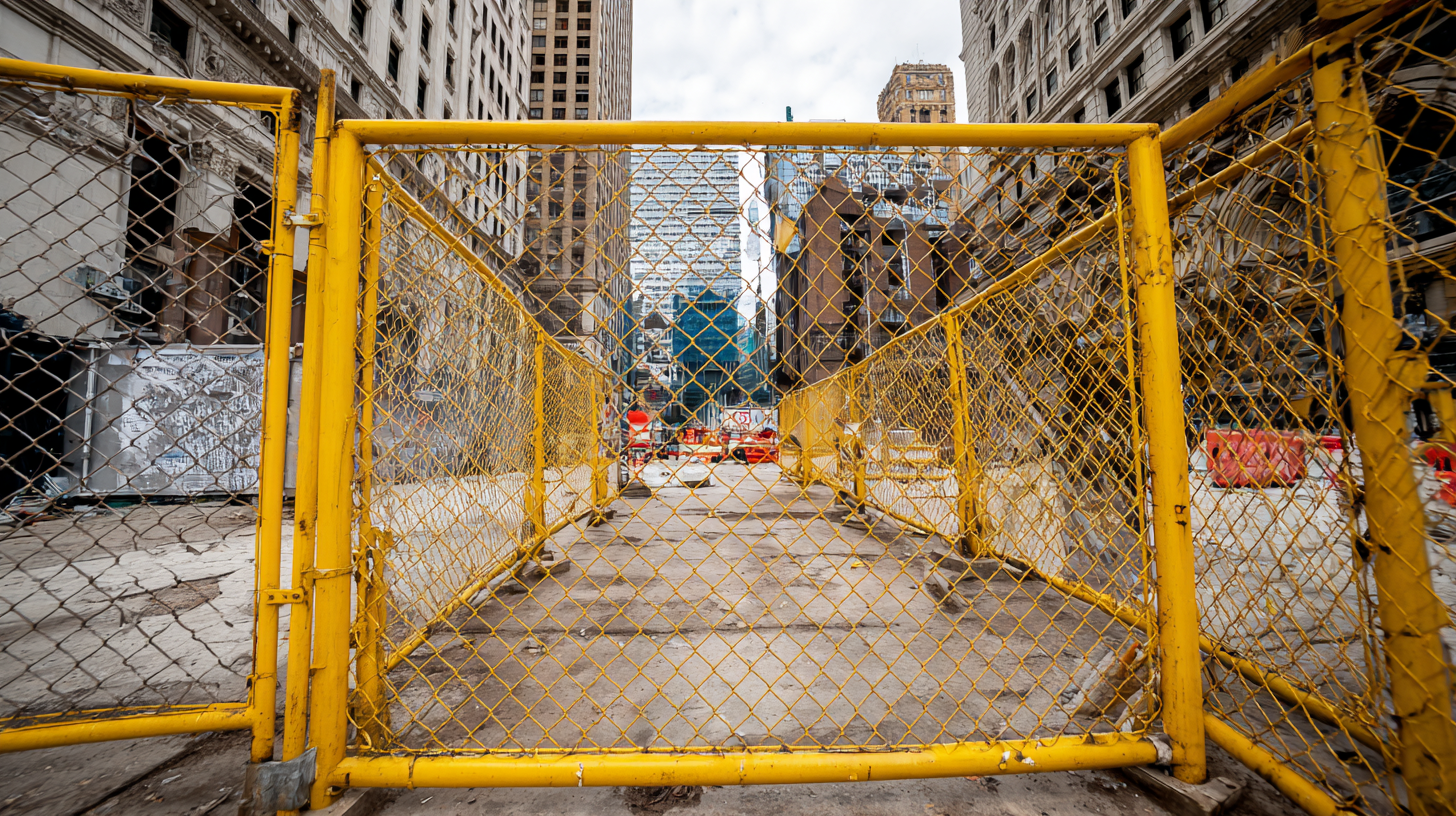
When selecting a temporary safety fence for your project, it’s essential to understand the various types available to meet your specific needs. The most common type is chain-link fencing, which offers durability and visibility, making it ideal for construction sites and events. This option provides a secure boundary while allowing airflow and sightlines, which can be beneficial for monitoring activity within the area.
Another popular choice is solid panel fencing, often used for events and crowd control. This type not only offers privacy but also enhances security by preventing unauthorized access. Solid fencing can be customized with branding or graphics, making it a great choice for promotional events.
For projects with a need for flexibility, plastic barriers, sometimes called traffic barricades, are lightweight and easy to move, perfect for directing foot traffic or marking temporary hazards. Understanding these options will help you select the right temporary safety fence tailored to your project's unique requirements.
Key Factors to Consider When Selecting a Temporary Safety Fence
When selecting a temporary safety fence, several key factors must be considered to ensure it meets your project needs effectively. First, assess the purpose of the fence—whether it's for securing a construction site, crowd control at an event, or protecting pedestrians from hazardous areas. This understanding will dictate the height, strength, and visibility of the fence required to provide adequate protection and security.
Next, consider the types of materials used in the fence's construction. Options range from chain link and mesh to more heavy-duty barriers. The choice of material influences both durability and installation ease. Additionally, think about the local regulations regarding temporary fencing, as certain projects may require compliance with specific safety standards or permits.
Budget constraints also play a significant role; comparing the cost versus the quality of fencing options can help find a balance that ensures safety without overspending.
Assessing Project Size and Location for Optimal Fence Selection
When selecting a temporary safety fence for your project, assessing the project size and location is crucial. According to a report by the American Society of Civil Engineers, safety incidents can be reduced by up to 70% with proper fencing and perimeter security. For larger projects, such as construction sites or public events, an increased height and sturdiness of the fence are necessary to deter unauthorized access and to ensure the safety of workers and the public alike.
**Tip:** When evaluating your project size, consider not just the physical dimensions but also the potential hazards present. For instance, a construction site near a busy roadway may require additional measures, such as taller fences and reinforced materials, to prevent accidents. Additionally, localized environmental factors, like high winds or heavy rain, should inform your material choice, as this can affect the fence's stability and effectiveness.
Location also plays a pivotal role in your fence selection. Urban areas might have specific regulations that dictate the type of fencing allowed, while rural settings might afford more flexibility. A study by Fence Industry Association indicates that local codes can vary significantly, impacting installation timelines and overall costs. Thus, understanding these regulations upfront can help streamline your project’s planning phase.
**Tip:** Always consult with local authorities to ensure compliance with zoning laws and safety regulations before finalizing your fencing choice. This proactive approach can save time and prevent costly delays in your project.
How to Choose the Right Temporary Safety Fence for Your Project Needs - Assessing Project Size and Location for Optimal Fence Selection
| Project Size |
Location Type |
Recommended Fence Type |
Height (ft) |
Use Case |
| Small (Under 500 sq ft) |
Residential |
Mesh Fence |
4 |
Gardening / Outdoor Projects |
| Medium (500 - 1500 sq ft) |
Commercial |
Chain Link Fence |
6 |
Construction Sites |
| Large (1500 - 5000 sq ft) |
Industrial |
Solid Panel Fence |
8 |
Event Security / Major Projects |
| Extra Large (Over 5000 sq ft) |
Public Event |
Construction Barrier |
10 |
Festival / Sports Events |
Evaluating Material Durability and Compliance with Safety Standards
When selecting a temporary safety fence for your project, evaluating material durability and compliance with safety standards is crucial. The materials used in protective fencing can vary significantly, impacting their longevity and effectiveness in safeguarding the site. Opt for materials like high-quality polyethylene or chain-link, which offer resilience against weather elements and potential impacts. Ensure that the chosen fencing has been tested to withstand harsh conditions and human interaction, which can prevent unnecessary replacements and potential safety hazards down the line.
**Tip:** Always check for certifications that demonstrate compliance with local and national safety standards. This can include meeting OSHA regulations or ASTM guidelines. Investing in fences that adhere to these standards will not only enhance site security but also contribute to a compliant work environment.
Another essential aspect to consider is the ease of installation and portability. Durable temporary fencing solutions should be designed for quick setup and dismantling, minimizing downtime on your project. Look for options that are lightweight yet robust, allowing for easy relocation as project needs change.
**Tip:** When assessing fencing options, inquire about user reviews and case studies. Feedback from other project managers can provide valuable insights into the durability and performance of various products, helping you make a more informed decision.
Temporary Safety Fence Material Durability Comparison
Comparing Cost and Installation Time for Various Temporary Fences
When selecting a temporary safety fence, understanding the costs and installation times associated with various options can significantly impact your project’s efficiency and budget. According to a report by the American Fence Association, the price of traditional chain-link fencing typically ranges from $7 to $12 per linear foot, while options like plastic mesh can be more economical, averaging between $1 and $3 per linear foot. This disparity in cost often influences project managers to consider the specific needs of their sites, such as security level required and duration of use.
Installation time is another critical factor. Traditional fences may take longer to install due to the need for digging and setting posts, often requiring labor-intensive efforts that can extend project schedules. Conversely, temporary options like barricade fences or portable panels can be set up in a matter of hours. A study by the Construction Industry Institute revealed that using quicker-to-install temporary fencing can reduce overall project timelines by up to 15%, allowing for more efficient resource allocation. Thus, analyzing both cost and installation efficiency is essential in selecting the right temporary safety fence for your project.