How to Choose the Right Security Barbed Wire for Your Property Protection
When it comes to safeguarding your property, choosing the right Security Barbed Wire is crucial. As a physical barrier, barbed wire serves not only as a deterrent to potential intruders but also as a critical line of defense for homes, farms, and businesses. However, with various types of barbed wire available on the market, it's essential to understand the different options to ensure you're making an informed decision that best meets your security needs.
In this guide, we will explore the key considerations for selecting the most suitable Security Barbed Wire for your property. Factors such as wire gauge, type of barbs, and installation methods will be discussed to help you make the best choice. By assessing your specific property requirements, you can effectively enhance your security measures while also maintaining your property's aesthetic appeal. Whether you're aiming for maximum security in a high-risk area or seeking a less intrusive solution, understanding these elements will empower you to protect your property effectively.
Understanding Different Types of Security Barbed Wire for Protection
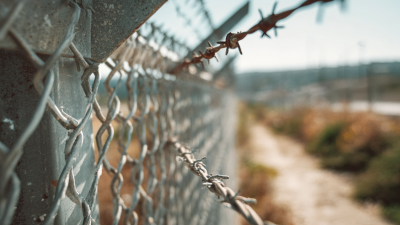
When it comes to choosing the right security barbed wire for your property protection, understanding the different types available is crucial. Barbed wire varies significantly in design, material, and purpose, which can affect both its effectiveness and compliance with local regulations. For instance, traditional barbed wire is often made from galvanized steel and consists of sharp barbs spaced along the strands to deter trespassers. This type is suitable for fencing off large areas but may not always provide the security needed for more vulnerable properties.
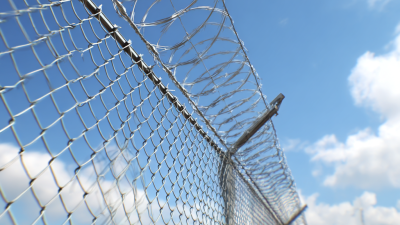
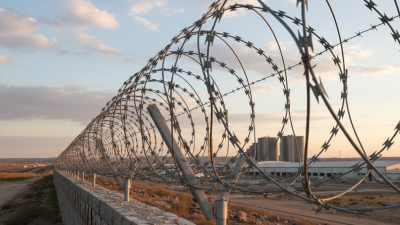
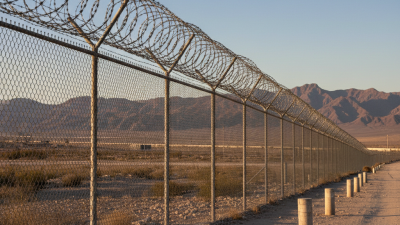
Another option is concertina wire, which is coiled and can stretch across large spaces. This type of wire can be particularly effective in high-security environments, as its design makes it difficult to bypass. Additionally, there are electric barbed wires that combine electrical current with sharp barbs to create a robust deterrent. These options are ideal for areas requiring enhanced security measures.
Tips: When selecting the right type, consider the specific needs of your property, such as height, visibility, and the presence of wildlife. Additionally, check local regulations regarding the use of high-security fencing and ensure that your choice aligns with safety standards. Regular maintenance of your barbed wire is essential to maintain its integrity and effectiveness over time.
How to Choose the Right Security Barbed Wire for Your Property Protection
| Type of Barbed Wire |
Material |
Thickness (Gauge) |
Length per Roll (ft) |
Recommended Use |
| Standard Barbed Wire |
Steel |
12.5 |
100 |
Fencing for Livestock |
| Heavy Duty Barbed Wire |
Galvanized Steel |
11.5 |
132 |
High-Security Areas |
| Electric Barbed Wire |
Steel with Insulation |
12 |
50 |
Perimeter Security |
| Razor Wire |
Galvanized Steel |
Standard |
50 |
Military and Correctional Facilities |
| Barbed Wire Fencing |
PVC Coated Steel |
14 |
200 |
Garden and Perimeter Fencing |
Assessing Your Property’s Specific Security Needs and Risks
When choosing the right security barbed wire for your property, it's crucial to start by assessing your property's specific security needs and risks. According to a report by the National Crime Prevention Council, properties that incorporate visible security measures can deter criminal activity by up to 30%. Understanding the unique vulnerabilities of your property is essential in determining the appropriate type and level of security barbed wire necessary to enhance protection.
Each property presents distinct risks based on its location, surrounding environment, and previous incidents. For instance, a report by the FBI indicates that residential burglaries occur every 25.7 seconds, emphasizing the need for effective deterrents. Properties located in high-crime areas may require more robust solutions, such as heavier gauge barbed wire, which would provide an additional barrier against unauthorized access. Additionally, understanding the layout of your property can help in identifying where security measures should be concentrated, whether it be along fences, borders with public access, or other vulnerable areas. By carefully evaluating these factors, property owners can make informed decisions that significantly enhance their security measures.
Evaluating Barbed Wire Materials and Durability Options
When evaluating barbed wire for property protection,
it’s essential to consider the materials used in its construction.
Steel wire is the most common choice due to its strength and resilience.
Galvanized steel, specifically, undergoes a coating process that enhances its durability,
making it resistant to rust and corrosion. This feature is crucial for outdoor applications where the wire will be exposed to various weather conditions.
Additionally, the thickness of the wire plays a significant role in its effectiveness; thicker gauges tend to offer increased durability and resistance to cutting or tampering.
Another aspect to consider is the design and configuration of the barbs themselves.
Barbed wire with sharp, closely spaced barbs can provide an added layer of security,
deterring potential intruders while also being effective against animals.
Different styles are available, including single strand and double strand options,
each offering unique benefits depending on the intended use. When assessing durability, look for wires that have been coated or treated to withstand UV rays and other environmental factors,
ensuring that your investment remains effective over time. Lastly, it’s important to evaluate the installation method, as proper tension and maintenance can significantly extend the lifespan of your barbed wire fence.
Choosing the Right Gauge and Spacing for Effectiveness
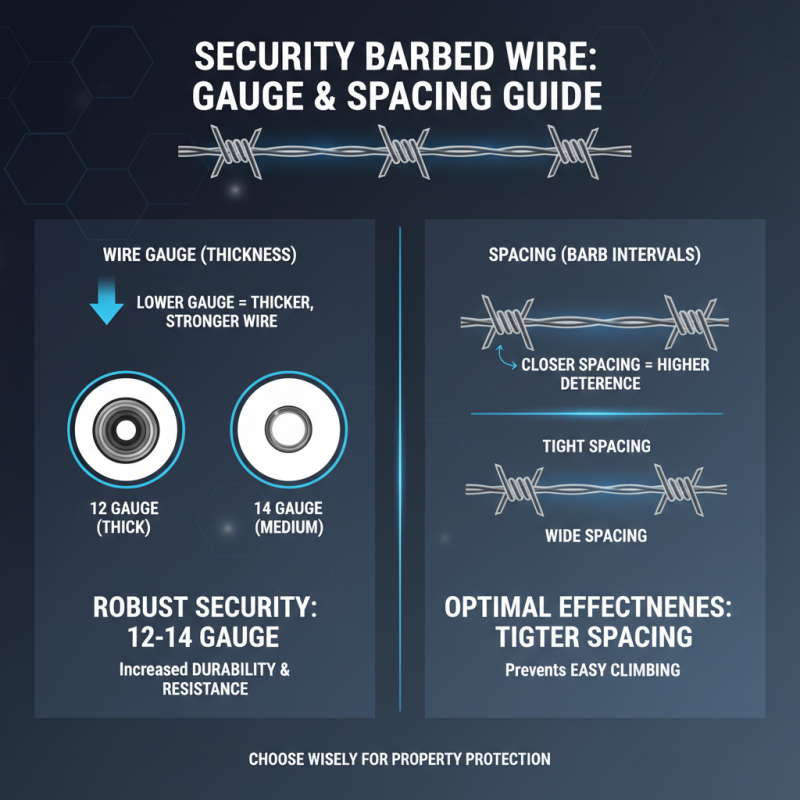
When choosing security barbed wire for your property protection, understanding the gauge and spacing is crucial for optimal effectiveness. The gauge of the barbed wire refers to its thickness, and it plays a significant role in determining both strength and visibility. A lower gauge number indicates a thicker wire, which offers increased durability and resistance against tampering or cutting. For properties requiring robust security measures, using a thicker gauge, such as 12 or 14, is often recommended. Thinner wires might suffice for less critical applications but could potentially be more vulnerable to damage.
Spacing between the barbs is another important factor to consider. Closer spacing creates a more formidable barrier, making it difficult for intruders to breach the perimeter. Typically, barbed wire spacing ranges from 4 to 12 inches, with tighter spacing providing enhanced deterrence. However, it’s essential to balance the spacing with the overall aesthetic of your property, as overly aggressive configurations may be perceived as hostile. Ultimately, evaluating your specific security needs, the environment around your property, and potential threats will guide you in determining the most effective gauge and spacing of barbed wire for your protection needs.
Installation Tips for Maximum Security and Safety Compliance
When it comes to enhancing the security of your property with barbed wire, proper installation is crucial to ensure maximum safety and compliance with regulations. According to the American Society for Industrial Security (ASIS), effective perimeter protection can reduce unauthorized access incidents by up to 30%. Proper installation techniques involve positioning the barbed wire at least 6 feet above the ground and ensuring that the barbs face outward, which deters potential intruders while complying with safety standards.
Additionally, it's essential to secure the wire tightly and regularly inspect it for any damage or wear. The International Association of Professional Security Consultants (IAPSC) recommends that property owners maintain a clear zone around the barbed wire to avoid any safety hazards. Regular audits can help identify any shortcomings in the installation that may pose risks to both security personnel and the public. By adhering to these installation best practices and prioritizing maintenance, property owners can significantly enhance their security measures while remaining compliant with safety regulations.
Security Barbed Wire Types and Their Effectiveness