How to Choose the Right Security Barbed Wire for Your Needs?
Choosing the right security barbed wire is crucial for effective protection. Security barbed wire varies in type, thickness, and design. Understanding your specific needs is essential.
When selecting security barbed wire, consider the area you intend to protect. Is it a residential space, commercial property, or agricultural land? The environment matters. For urban areas, a finer gauge wire may suffice. However, rural settings often require heavier-duty options.
Additionally, consider installation ease and maintenance. Some security barbed wire types demand more effort to install. Reflect on your abilities and tools. Inadequate installation can lead to weaknesses in security. Finding the perfect balance between cost and quality can be challenging. It's important to analyze all aspects before making a decision.
Understanding the Basics of Security Barbed Wire Types
When selecting security barbed wire, understanding the various types is crucial. Barbed wire typically falls into three main categories: traditional, razor wire, and concertina wire. Each of these types serves different security needs and comes with its own set of benefits and drawbacks.
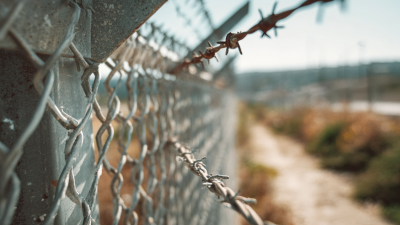
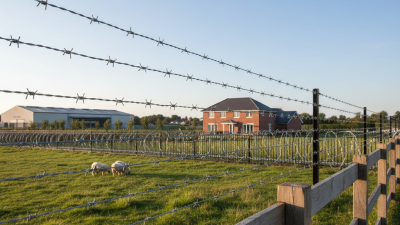
Traditional barbed wire consists of galvanized strands with twisted barbs. Its primary purpose is to deter intrusion rather than inflict harm. However, its effectiveness can diminish against determined attackers. A study showed that nearly 30% of intrusions bypass traditional barbed wire easily. On the other hand, razor wire offers a more formidable barrier. Its sharp edges pose a significant risk to intruders, making it a preferred choice for high-security areas. Yet, it can bring legal liability concerns if misused or improperly installed.
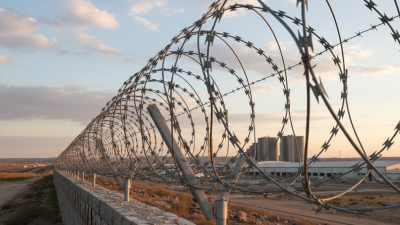
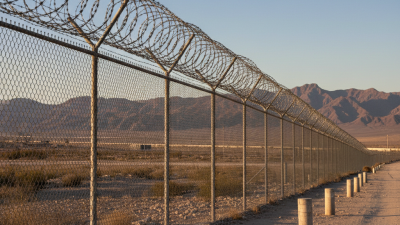
Concertina wire, a spiral variant of razor wire, is quite effective in providing extensive deterrence. It is often employed in correctional facilities and military applications. Nonetheless, installing and maintaining this wire poses challenges. Weather and environmental factors can affect its integrity over time. A report indicated that improper installation can reduce its effectiveness by 40%. Understanding these variations and their respective weaknesses is vital for making informed security choices.
Evaluating the Security Level Required for Your Property
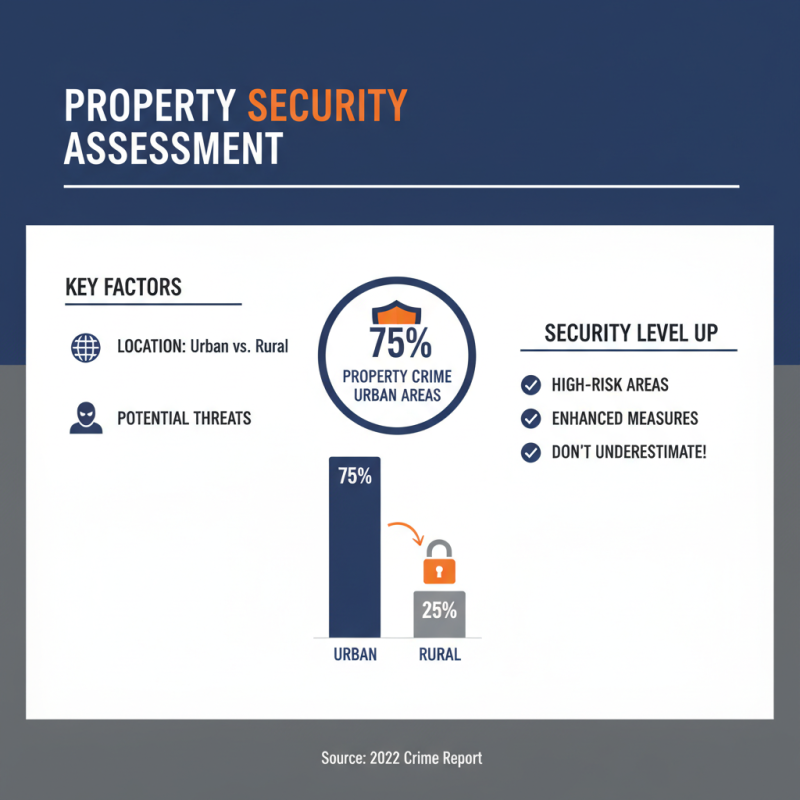
When evaluating the security level required for your property, consider specific factors such as location and potential threats. According to the 2022 Crime Report, almost 75% of property crime occurs in urban areas. This statistic emphasizes the need for enhanced security measures in high-risk locations. Many property owners underestimate this risk.
The type of barbed wire you need may vary based on your requirements. For instance, a standard barbed wire offers basic deterrence. However, if you're in a higher crime zone, you might want to opt for heavier, more resilient options. Research shows that properties with effective security measures deter up to 60% of potential intruders.
Assessing the layout of your property can help you make informed decisions. A well-fenced area, complemented by barbed wire, adds a layer of protection. Visibility is also crucial. Well-lit perimeters further discourage unauthorized access. Yet, not all installations are perfect. Some may need adjustments to height or material choice. Always reflect on these aspects to enhance your property’s safety efficiently.
Analyzing Environmental Factors Influencing Barbed Wire Selection
When selecting barbed wire, environmental factors play a crucial role. For instance, areas with high humidity may rust regular wires quickly. A 2021 industry report revealed that corrosion-resistant options can last up to five times longer in such climates. Understanding this can save costs in the long run and reduce maintenance.
Temperature variations also matter. Freezing temperatures can cause brittle failure in low-quality wire. A study indicated that wire exposed to extreme cold shows a 40% higher breakage rate. Evaluating the local climate helps ensure you choose the right specifications. Additionally, terrain is another factor. Rough landscapes require thicker, more robust wire. Cost considerations versus long-term durability must be weighed carefully.
Wildlife interactions shouldn't be ignored either. In regions with heavy animal traffic, lighter wires may not hold up. A survey noted that wildlife damages account for 30% of barbed wire failures in rural areas. Awareness of such factors is essential for effective perimeter security. Make informed choices based on your specific environment.
How to Choose the Right Security Barbed Wire for Your Needs?
Comparing Material Quality and Durability in Barbed Wire Options
When selecting barbed wire, material quality and durability are crucial factors. Steel wire is commonly favored due to its strength and rust resistance. According to a survey by the American Society of Agricultural and Biological Engineers, high-tensile steel can last up to 20 years when properly installed. In contrast, lower-quality materials might require replacement within five years.
Gauge thickness also plays a vital role. A higher gauge number indicates thinner wire, which may not withstand harsh weather. A report from the National Agricultural Statistics Service shows that thicker wire often results in lower maintenance costs. For instance, a 12-gauge barbed wire can handle heavy loads but may be pricier initially. Evaluating the wire's coating can also influence durability. Galvanized options resist corrosion, extending the life of the product.
Quality varies significantly among suppliers. One might find a seemingly affordable option, but it could lack essential durability. Some users report frequent replacements, leading to frustration. Investing in a well-reviewed product upfront can save time and money in the long run. However, the choice often depends on specific needs, such as location and intended use.
Reviewing Installation Methods and Maintenance for Barbed Wire Fencing
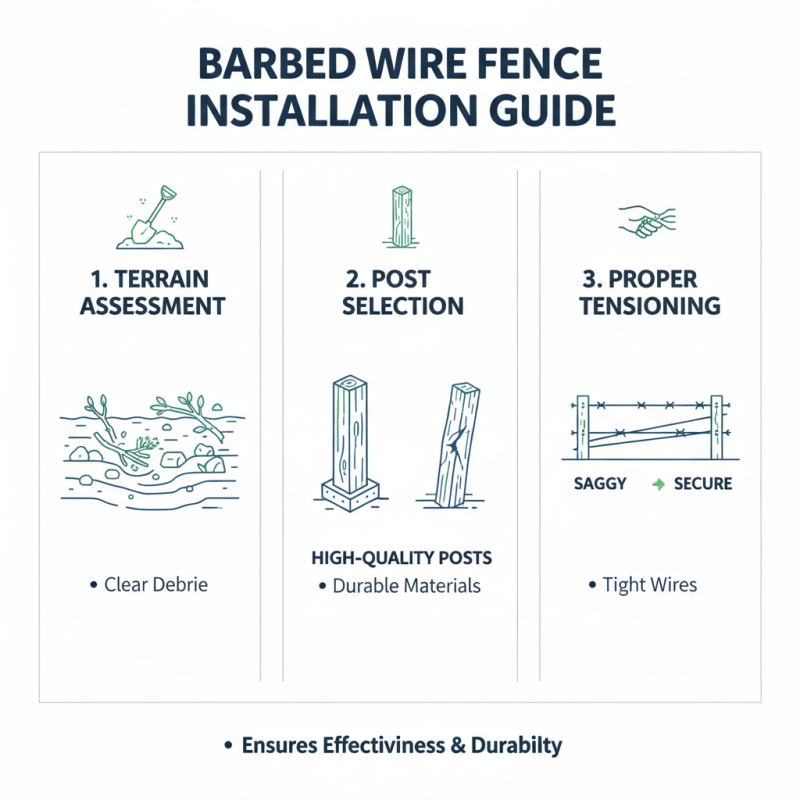
When considering barbed wire fencing, installation methods matter greatly. Proper installation ensures the fence serves its purpose effectively. Start by assessing the terrain where the fence will be placed. Uneven ground may require extra adjustments. Make sure to clear debris that could impede the process. Using high-quality posts is essential for durability.
After positioning the posts, attach the barbed wire securely. Make sure to maintain tension as you move along. Too loose may let intruders pass. Too tight can lead to breakage. Regular inspections can help identify any spots needing adjustment. Also, keep an eye out for rust, which can weaken the material.
Maintenance isn't just about the wire itself. It's important to check the posts and surrounding area regularly. Plants can grow around the fence and create challenges. Tidying up the perimeter can enhance the effectiveness of the security. Just remember, no installation is perfect. Reflecting on past mistakes will help you improve next time.