2026 How to Choose Hexagonal Gabion Cages for Your Project?
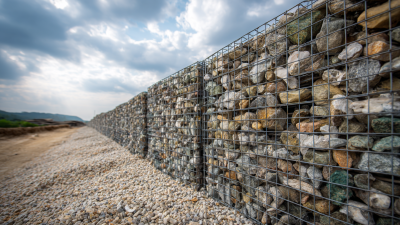
When considering a construction project, choosing the right materials can significantly impact the outcome. Hexagonal Gabion Cages, known for their durability and versatility, are often recommended by industry experts. According to a study by the Geotechnical Engineering Institute, the use of gabion structures can enhance soil stabilization and erosion control by up to 30%. “Hexagonal Gabion Cages are not just functional; they integrate well with the environment,” states Dr. Emily Carter, a leading expert in geotechnical engineering.
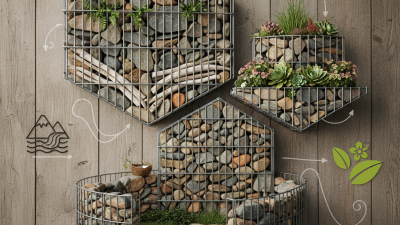
These cages are typically filled with stones or other materials, providing a robust solution for various applications. Their hexagonal shape allows for better interlocking, which increases stability. However, selecting the right size and fill material requires careful consideration. Not every project benefits equally from standard sizes or shapes. Some professionals recommend customizing designs to match specific project needs.
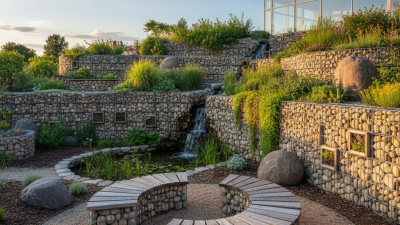
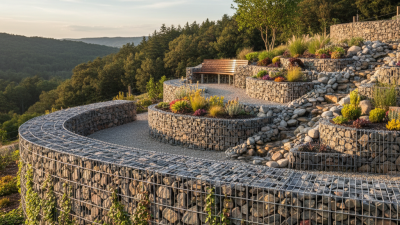
While Hexagonal Gabion Cages offer numerous advantages, their installation can present challenges. Proper alignment and settling are crucial for achieving long-lasting results. Reflecting on project requirements and site conditions can lead to insights that improve final outcomes. Balancing functionality with aesthetic appeal is essential, as gabion structures blend with nature but may require specific design tweaks to fit into various landscapes.
Understanding Hexagonal Gabion Cages and Their Benefits
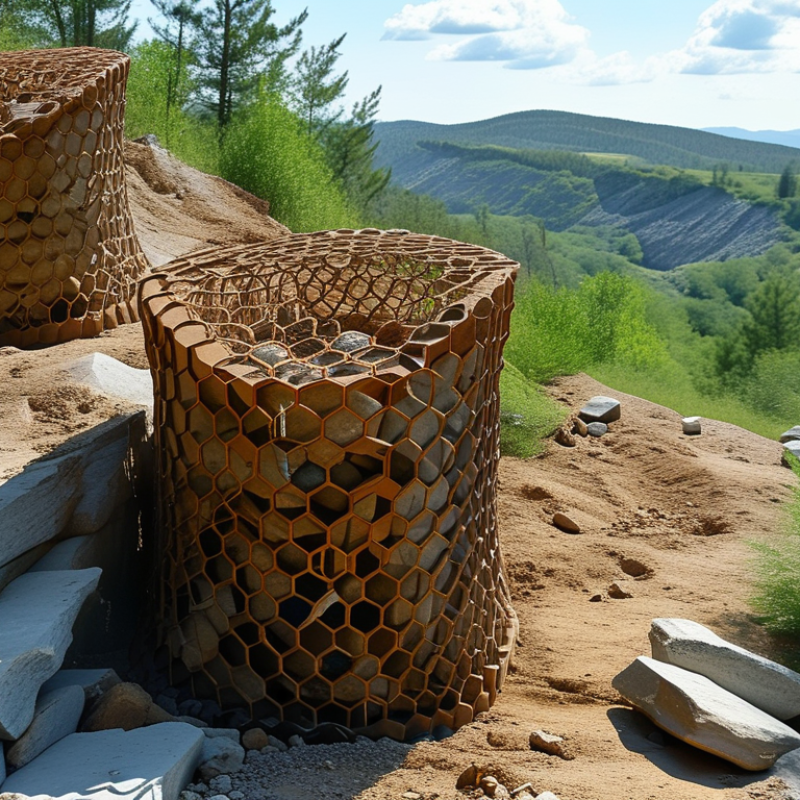
Hexagonal gabion cages are becoming increasingly popular in construction and landscaping projects. They are wire mesh containers, typically filled with rocks or soil, used for various applications. One significant advantage is their durability. According to industry reports, well-designed gabion structures can last over 50 years, with minimal maintenance required. They withstand extreme weather conditions and provide excellent erosion control.
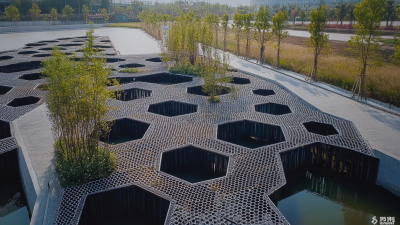
Hexagonal shapes offer additional benefits. They enhance aesthetic appeal compared to traditional square gabions. The interconnected design allows for better drainage and reduces the risk of settling. This is crucial for projects requiring stability. Moreover, hexagonal gabions can adapt to varying terrain types, making them versatile.
Tip: When selecting hexagonal gabion cages, consider the material of the wire mesh. Select high-quality, corrosion-resistant steel to ensure longevity.
Data shows that gabion installations can be cost-effective, often reducing the need for additional landscaping work. However, proper installation is critical. Consider engaging professionals to assess soil conditions and plan your project effectively. Small mistakes can lead to larger issues later.
Tip: Always conduct a site analysis before beginning your project. It helps in understanding soil stability and drainage patterns.
Benefits of Hexagonal Gabion Cages
Key Factors to Consider When Choosing Hexagonal Gabion Cages
When selecting hexagonal gabion cages, various factors play a crucial role.
Size is fundamental. The commonly chosen dimensions range from 1x1x1 meters to 3x1x1 meters. These can accommodate diverse applications, from erosion control to decorative landscaping. A 2021 report by the International Gabion Association highlighted that the right size impacts stability and effectiveness significantly, with oversized cages being more prone to structural failures.
Material choice is another critical consideration. Most gabion cages are made from steel wire, galvanized to resist corrosion. According to industry standards, the wire should have a minimum diameter of 2.0 mm for durability. The galvanization process also affects longevity. Cages with a higher zinc coating thickness resist environmental wear better. This highlights the importance of reliability in material selection, as inadequate choices can lead to costly replacements in the future.
Lastly, the intended use of the gabion cages should guide your decision. Whether for flood control, landscaping, or retaining walls, understanding the specific application is essential. Some designs may offer higher flexibility than others, suitable for varying terrains. Collecting data from similar projects can help refine your choices. However, relying solely on data without understanding the unique environmental factors of your site can lead to unsatisfactory results.
Materials and Construction Quality for Hexagonal Gabion Cages
When selecting hexagonal gabion cages, the materials used are crucial. High-quality galvanized steel wire is often recommended due to its durability and resistance to corrosion. Look for a minimum wire thickness to ensure longevity. Plastic-coated options also provide additional protection, but they may have varying lifespans depending on exposure to UV rays.
Construction quality is equally vital. Ensure that the welds on the cages are secure and uniform. Inadequate welding can lead to structural failures. Check for the quality of seams and the integrity of the cages. Poorly constructed gabions might not hold up under pressure. Consider performing a tension test on a sample before making a bulk purchase.
Lastly, reflect on the intended use of these cages. Will they support soil, control erosion, or create decorative features? Analyze environmental conditions when choosing your cages. They need to withstand natural elements in your area. Each project has unique challenges that demand careful consideration of both materials and construction quality.
2026 How to Choose Hexagonal Gabion Cages for Your Project? - Materials and Construction Quality for Hexagonal Gabion Cages
| Dimension |
Material Quality |
Wire Diameter (mm) |
Mesh Size (mm) |
Corrosion Resistance |
| 1m x 1m x 1m |
Galvanized |
3.0 |
50 x 50 |
Moderate |
| 1m x 1m x 0.5m |
Electro-galvanized |
2.5 |
40 x 40 |
Low |
| 2m x 1m x 1m |
PVC coated |
3.5 |
60 x 60 |
High |
| 0.5m x 0.5m x 0.5m |
High tensile |
2.0 |
30 x 30 |
Very High |
Determining the Right Size and Design for Your Project
Choosing the right size and design for hexagonal gabion cages can significantly impact your project. These cages are versatile and can serve various purposes, such as landscaping, retaining walls, or erosion control. Understanding the specific requirements of your project is crucial. For instance, the location, soil type, and intended use should guide your size selection. Larger cages might be suitable for substantial wall structures, while smaller ones might be ideal for decorative purposes.
When it comes to design, aesthetics and functionality play key roles. Consider the visual appeal of hexagonal shapes. They can offer a unique look compared to traditional rectangular cages. Additionally, the filling material needs careful thought. Rock, gravel, or natural stone are common choices. Each option introduces a different texture and weight, affecting overall stability. It’s essential to reflect on your project's long-term goals. Are you aiming for durability or beauty? Addressing these questions early can prevent costly mistakes later on.
An accurate assessment of your project requirements will help avoid issues. Incorrect sizing can lead to structural failures. Meanwhile, a poorly chosen design might clash with the environment. Keep in mind that adjustments during the planning stages can save time and resources. Each decision should be made with careful consideration of both aesthetics and structural integrity, ensuring a successful outcome.
Installation Tips for Effective Use of Hexagonal Gabion Cages
When installing hexagonal gabion cages, attention to detail is key. First, ensure the ground is leveled and stable. Uneven terrain can lead to structural weaknesses. Consider using gravel or sand as a foundation. This adds stability and promotes proper drainage.
Next, securing the cages is crucial. Use appropriate ties and connectors to ensure the cages stay intact during filling. Over time, some may realize they didn't use enough ties. This can lead to collapse under stress. Filling with larger rocks at the base can provide added support. Layering different sizes of stones can enhance both aesthetics and stability.
Lastly, regular inspections are necessary after installation. This will help identify any wear or movement that could compromise the structure. Many forget to conduct these checks, thinking the installation is foolproof. Even slight shifts can impact long-term performance. Taking time to assess the cages periodically can save significant effort in repairs later.