How to Choose the Best 3D Fence Panels for Your Property?
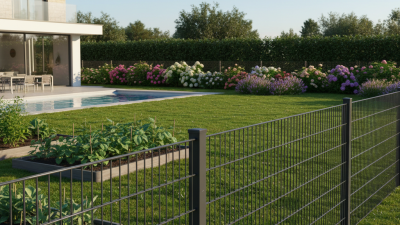
Choosing the right 3D Fence Panels for your property is essential. These panels offer both security and aesthetic appeal. You need to consider several factors before making a decision.
Think about the materials. 3D Fence Panels come in steel, aluminum, or even wood. Each option has its pros and cons. For instance, steel offers durability but can be prone to rust.
Also, consider your property's layout. A flat yard may require different panels than a sloped one. Visualizing the end result can help. However, remember that not all designs fit every space. Reflect on your choices before committing.
Factors to Consider When Selecting 3D Fence Panels
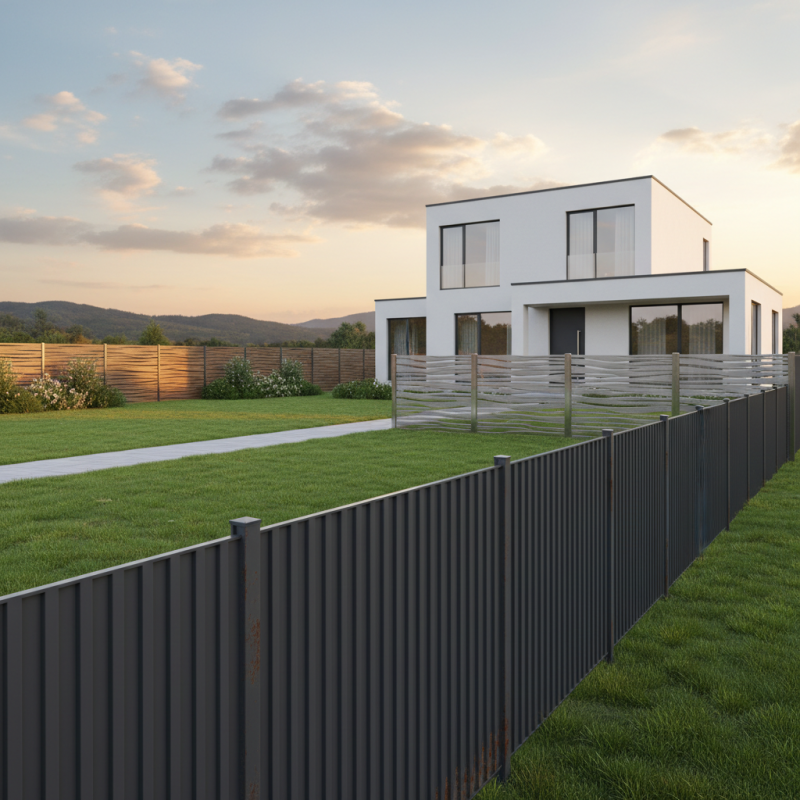
Choosing the right 3D fence panels requires careful thought. Consider your property’s overall style. A fence should not clash with your home. Think about the material too. Certain materials may offer durability but may not fit your aesthetic.
Think about the height of the panels. Taller panels provide more privacy, but they can look imposing. Ensure that the color suits the environment. A bright color might stand out too much, while neutral tones blend well.
Tips: Always check local regulations. Some areas have restrictions on fence heights and styles. Also, think about maintenance. Some materials can require more care than others. Aim for a balance between attractiveness and practicality. It's worth reflecting on how a fence can change the feel of your space.
How to Choose the Best 3D Fence Panels for Your Property?
| Factor |
Description |
Importance Level |
| Material Quality |
Evaluate the durability and resistance to weather elements. |
High |
| Design and Aesthetics |
Consider how the panels will complement the overall style of your property. |
Medium |
| Height and Size |
Choose dimensions that provide the desired level of privacy and security. |
High |
| Installation Requirements |
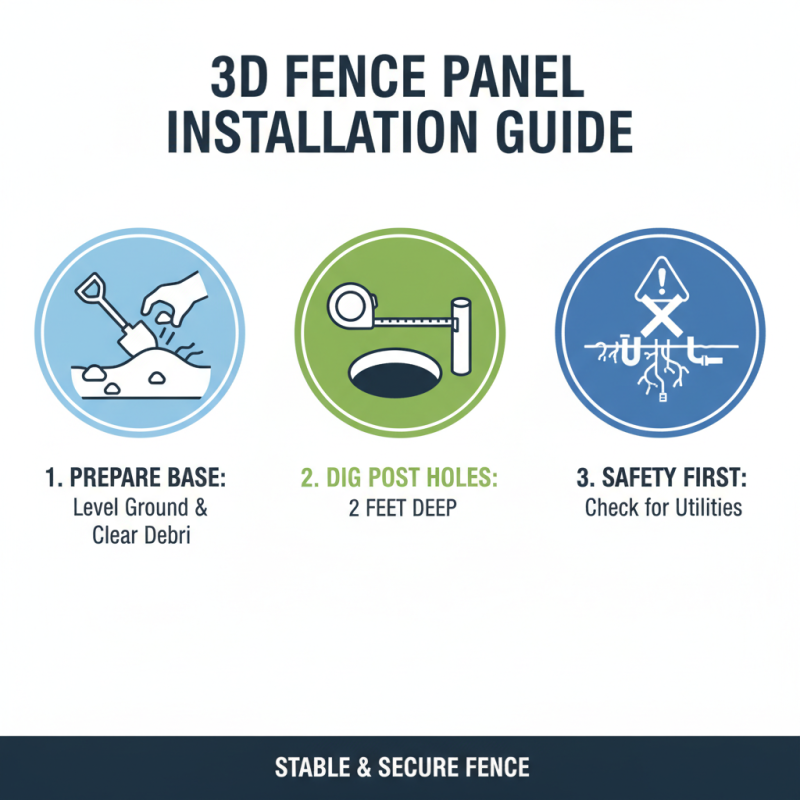
Check if professional installation is needed or if it can be a DIY project. |
Medium |
| Cost |
Assess your budget and compare prices of different options. |
High |
| Maintenance |
Consider the ongoing upkeep required for the materials chosen. |
Medium |
| Local Regulations |
Ensure compliance with local building codes and regulations. |
High |
Types of Materials Used in 3D Fence Panels
When selecting 3D fence panels for your property, understanding the materials used is crucial. The most common materials include steel, aluminum, and vinyl. According to a recent industry report, steel offers superior strength and durability. It’s resistant to high winds and can withstand impact better than other materials. However, it may require periodic maintenance, such as rust treatment and repainting.
Aluminum panels are lighter and rust-resistant. They provide an elegant look while being cost-effective. An analysis revealed that aluminum fencing can last over 20 years with minimal upkeep. Yet, they may not offer the same level of security as steel.
Vinyl is a popular choice due to its low maintenance and wide range of styles. However, its durability can be enhanced by checking the thickness. Thinner panels might bend in high winds.
While the aesthetic appeal of different materials is important, it is crucial to reflect on their performance. Make sure to weigh the costs against long-term maintenance needs. Each material has its pros and cons. Understanding these factors can prevent future regrets.
Design and Aesthetic Options for 3D Fence Panels
When selecting 3D fence panels, design and aesthetics play a crucial role. Various styles are available to suit different properties. Some homeowners prefer sleek, modern lines, while others may lean towards more traditional patterns. According to a recent industry report, 70% of property owners prioritize aesthetics when choosing fence materials.
Consider the color and texture of the panels. Light colors can make a space feel larger, while darker shades provide a sense of intimacy. Textured panels can add depth and character to the landscape, enhancing visual appeal. However, it is essential to ensure that the chosen designs complement your home. Failing to match styles could lead to a disjointed look.
Tip: Always visualize how the panels will fit with your existing environment before making a purchase. Test color samples against your home’s exterior for a better idea. It’s not uncommon for homeowners to overlook this, only to regret their choices later.
While many options exist, durability should not be sacrificed for appearance. More intricate designs may involve higher maintenance. Reflect on your lifestyle and the level of upkeep you are willing to commit. Simpler styles might be more practical in the long run, even if they seem less appealing initially. Make your choice count!
Cost Analysis: Budgeting for 3D Fence Panels
When budgeting for 3D fence panels, consider your overall project costs. These panels vary in price depending on material and design. Metal options can be pricey, while wood might be more budget-friendly. However, wood requires regular maintenance, increasing long-term costs.
It's essential to get quotes from multiple suppliers. This gives you a better idea of current market prices. Don’t forget to factor in installation expenses, too. Hiring professionals can raise your budget. But DIY installation may save money if you have the skills.
Sometimes, cheaper options lead to regrets later. Lower-quality panels may need replacement sooner. Investing more upfront can pay off in durability. It's worth taking the time to weigh your options carefully, rather than rushing into a decision.
Cost Analysis: Budgeting for 3D Fence Panels