How to Build a Peach Post Fence: Step-by-Step Guide for Your Garden
In the realm of sustainable gardening and home decor, constructing a Peach Post Fence has become increasingly popular among both enthusiasts and seasoned gardeners. This stylish and functional option not only provides a robust boundary but also enhances the aesthetic appeal of your outdoor space. According to a recent report by the American Gardening Association, nearly 60% of gardeners are now incorporating durable, environmentally-friendly materials into their landscaping projects, highlighting a significant shift towards innovative fence designs.
Expert horticulturist and landscape designer Dr. Emma Thompson emphasizes the importance of selecting the right materials for a Peach Post Fence. She notes, "Building a fence with natural wood not only contributes to a beautiful garden but also supports biodiversity by providing habitats for various wildlife." This insightful perspective underlines the harmony between aesthetics and ecology that a well-constructed Peach Post Fence can achieve.
As we delve into the step-by-step guide on creating a Peach Post Fence, we will explore the materials necessary for this project, ensuring that every gardener can elevate their garden while contributing positively to their local environment. By understanding the benefits and techniques involved, you’ll be on your way to establishing a stunning and practical addition to your outdoor sanctuary.

Understanding the Basics of Peach Post Fences in Gardening
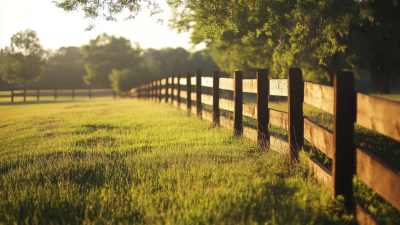
Peach post fences play a vital role in enhancing the aesthetics of your garden while providing functional benefits. These fences are usually crafted from sturdy, weather-resistant materials that can stand up to the elements. They not only create a charming perimeter for your garden but also offer support to climbing plants and provide a habitat for beneficial insects. Understanding the basic structure and design of peach post fences is crucial for successful installation. Consider your garden’s layout and the intended use of the fence, whether for decoration, privacy, or crop support.
When building your peach post fence, it’s important to keep a few tips in mind. First, choose the right materials: opt for high-quality wood or composite materials that can withstand moisture and pests. Second, ensure proper spacing of the posts to maintain stability and support for the fence, typically placing them about 6 to 8 feet apart. Finally, think about the height of the fence and how it aligns with the overall design of your garden. A taller fence might offer more privacy but can also overshadow shorter plants.
Additionally, consider incorporating some decorative elements like latticework or trellises to enhance the visual appeal. These features can not only beautify the fence but also create spaces for climbing plants to thrive. By paying attention to these basics, you can create a functional and attractive peach post fence that complements your garden beautifully.
Garden Post Height vs. Stability
Selecting the Right Materials for Your Peach Post Fence
When constructing a peach post fence, selecting the right materials is critical to ensure longevity, aesthetics, and functionality. According to the American Society of Landscape Architects, a well-constructed fence can last over 20 years with the right materials and maintenance. For a peach post fence, the most commonly recommended materials include cedar and redwood, known for their natural resistance to decay and insect damage. These woods not only provide durability but also enhance the beauty of a garden, making them ideal for a structure that serves both practical and decorative purposes.
In addition to wood types, the choice of fencing hardware plays a pivotal role in the overall integrity of the fence. Galvanized steel screws and brackets are essential as they resist rust, ensuring that your fence remains sturdy despite fluctuations in weather conditions. Furthermore, a recent report from the National Wood Fencing Association highlighted that utilizing quality treatment processes can extend the life of wood materials by up to 50%, making it imperative to assess chemical treatments that are environmentally friendly yet effective. By choosing the right materials and hardware, you can create a peach post fence that stands the test of time while enhancing the visual appeal of your garden.
Preparing Your Garden for Fence Installation
Preparing your garden for fence installation is a crucial step that sets the foundation for a successful project. Before you begin, it's essential to assess the area where the fence will be erected. According to the American Society of Landscape Architects, a well-planned garden layout not only enhances aesthetics but also ensures proper function and growth of surrounding flora. Start by identifying any natural features, such as trees, shrubs, or terrain variations, that may impact the installation process. Clearing the area of debris and unwanted plants is highly recommended, as this can prevent complications during fence construction and subsequent maintenance.
Once the area is cleared, measuring the boundary accurately is vital. A survey from the National Association of Home Builders indicates that precise measurements can reduce costs by minimizing material waste and improving structural integrity. Utilize stakes and string to outline the perimeter, ensuring that the layout adheres to local regulations regarding fence height and placement. This initial preparation not only saves time but also fosters a productive environment for both your fence and garden, promoting healthy plant growth and an appealing landscape once installation is complete. Each step taken in preparation contributes significantly to the overall success and durability of your peach post fence, ultimately providing a lasting solution for your garden space.
How to Build a Peach Post Fence: Step-by-Step Guide for Your Garden - Preparing Your Garden for Fence Installation
| Step |
Action |
Materials Needed |
Estimated Time |
| 1 |
Plan the fence layout |
Measuring tape, stakes, marker |
1 hour |
| 2 |
Clear the area |
Shovel, rake, gloves |
2 hours |
| 3 |
Install the posts |
Wooden posts, concrete, level |
3 hours |
| 4 |
Attach the fence panels |
Fence panels, screws, drill |
2 hours |
| 5 |
Add finishing touches |
Stains/paints, sealers |
1 hour |
Step-by-Step Instructions for Constructing the Fence
Building a peach post fence for your garden can be an enriching project that enhances the aesthetics and functionality of your outdoor space. To begin, gather your materials, including treated wood posts, fencing panels, nails, and a level for alignment. Start by marking the corners of your designated fence area with stakes and string. Then, dig post holes to a depth of about two feet to ensure stability. Place the first post in the hole, ensuring it is level, and fill around it with concrete mix, repeating this process for the remaining posts.
Once the posts are set, it's time to attach the fencing panels. Cut the panels to size, if necessary, and begin fastening them to the posts with nails or screws. Pay attention to the spacing between panels to create a cohesive look. As you work, it’s wise to step back occasionally to ensure everything is aligned properly.
Tip: Before you start building, consider your local climate and select materials that withstand weather conditions in your area. Also, think about the height of the fence; a taller fence provides more privacy but may require additional support. Lastly, if you're planting peach trees near the fence, be mindful of the distance to ensure they have ample space to grow without being obstructed.
Tips for Maintaining Your Peach Post Fence Over Time
Maintaining your peach post fence is essential for extending its lifespan and ensuring it remains an attractive feature in your garden. Regular inspections are key; check for any signs of wear or damage, such as loose posts or rotting wood. Early detection of these issues can prevent more significant problems down the line. If you notice any vulnerabilities, address them promptly by tightening screws, replacing boards, or applying wood preservative to protect against moisture and pests.
Additionally, keeping the area around your fence clear of debris and vegetation can help maintain its integrity. Trimming back any plants that might encroach upon the fence will not only enhance its appearance but also prevent moisture retention that can lead to decay. Regularly cleaning the fence with mild soap and water can remove dirt and prevent the buildup of mold or mildew, which can compromise both visual appeal and structural integrity over time. With regular care and attention, your peach post fence can continue to be a charming element of your garden for years to come.