2026 Best Hexagonal Gabion Cages for Your Landscaping Needs?
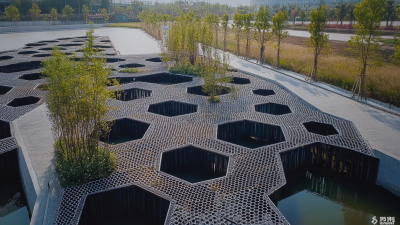
Hexagonal Gabion Cages have become an essential element in modern landscaping. These versatile structures not only provide aesthetic appeal but also serve practical purposes, such as erosion control and habitat creation. Expert Robert Miller, a landscape architect, notes, "Hexagonal Gabion Cages combine functionality with natural beauty." His insight underscores the growing popularity of these installations.
The appeal of Hexagonal Gabion Cages lies in their unique design and adaptability. They can be filled with various materials like stones or wood, blending seamlessly into diverse environments. Whether used as walls, fences, or decorative elements, they enhance outdoor spaces significantly. However, selecting the right cage for your needs can be challenging. Many options exist, each with its own pros and cons.
As the industry grows, not all Hexagonal Gabion Cages maintain the same quality. Some may rust or degrade faster than others. Shoppers should prioritize durability and construction. Taking the time to research and consider these factors can make a difference. The right choice can lead to a stunning landscape that stands the test of time.
Understanding Hexagonal Gabion Cages and Their Advantages
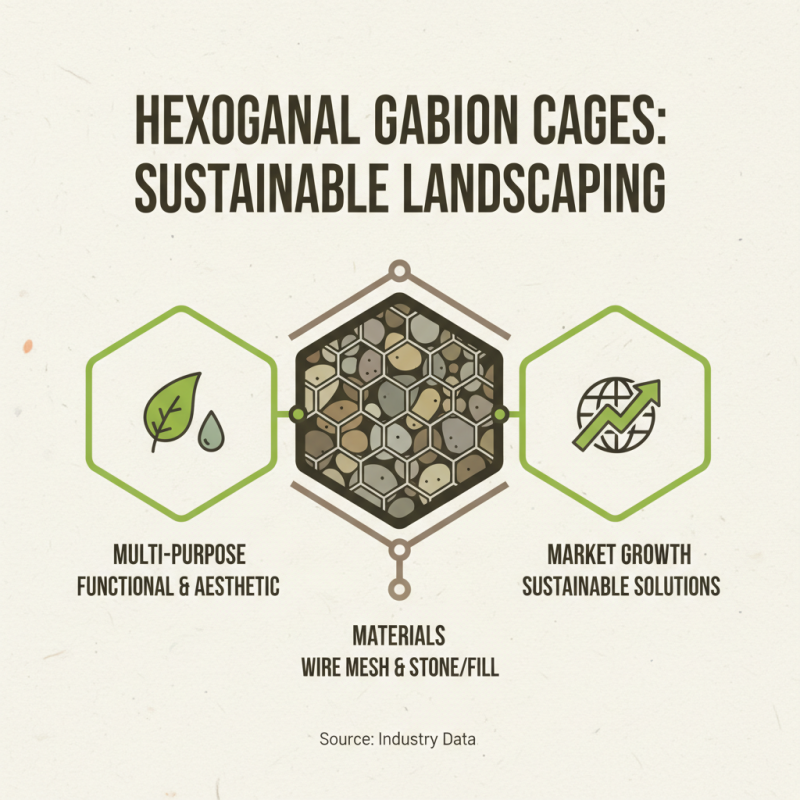
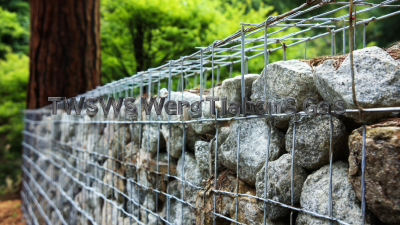
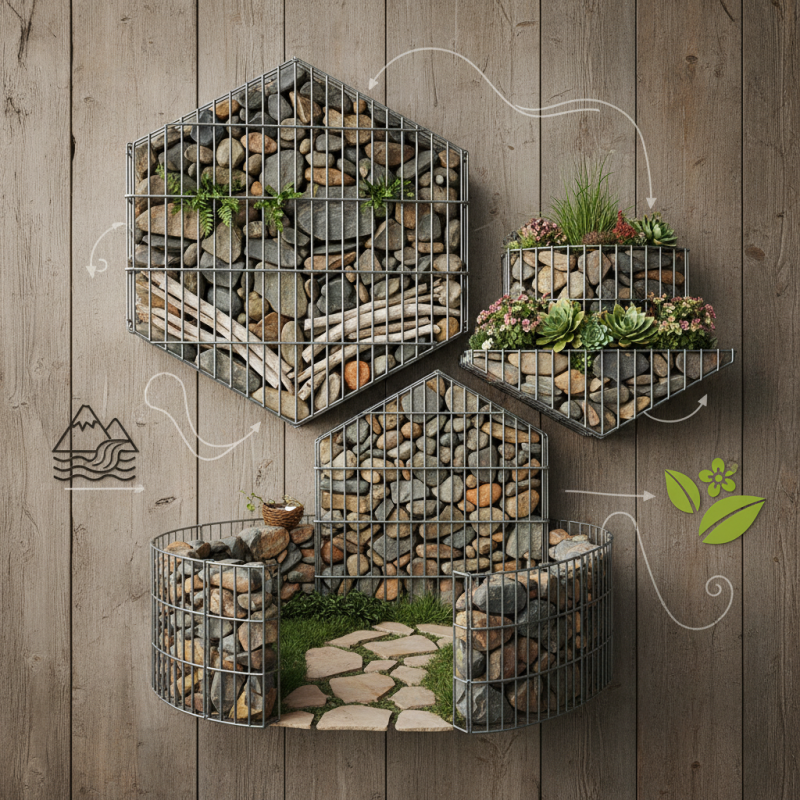
Hexagonal gabion cages serve multiple purposes in landscaping. They are not just functional; they also enhance aesthetics. These cages are made of wire mesh and filled with stones or other materials. According to industry data, the global market for gabion products is projected to grow significantly, reflecting an increasing interest in sustainable landscaping solutions.
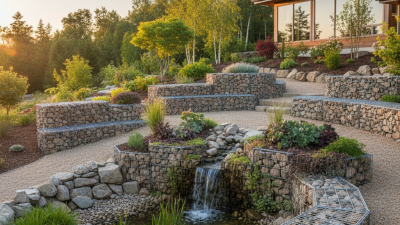
One of the advantages of hexagonal gabion cages is their versatility. They can be used for retaining walls, garden borders, and sound barriers. The hexagonal shape offers stability and balance, which is crucial for structural integrity. Additionally, they allow for drainage, reducing soil erosion in various environments. Many professionals recommend using local stone materials for filling; it enhances the natural look while lowering costs.
Tips: Always check local regulations before installation. Ensure proper alignment and stability to avoid future soil erosion issues. Consider the long-term environmental impact of your choices. Recognizing these factors can lead to better landscaping decisions. Remember, not all designs will work in every setting, so testing your layout is wise before full implementation.
Criteria for Choosing the Best Hexagonal Gabion Cages
When selecting hexagonal gabion cages for landscaping, consider multiple factors. Durability is key. Many reports indicate that the lifespan of these cages can range from 10 to 20 years, depending on material quality. Galvanized steel is often recommended for its resistance to rust. However, some cheaper options may not have adequate protection and can fail within a few years.
Another essential factor is size. Standard measurements vary widely. Many consumers overlook the impact of size on stability and aesthetic appeal. Ideal hexagonal cages typically measure between 1 to 3 meters. This range allows for versatility in design, but it's crucial to match the cage size with your specific landscaping goals. Pay attention to your landscape's scale.
Lastly, drainage and filling materials are vital for functionality and sustainability. A well-drained cage prevents water accumulation and promotes plant health. Reports show that improper filling can lead to premature structural failure. This is an area where many homeowners could improve their planning. Take time to research and select the right materials to ensure longevity and beauty in your landscape.
Top 2026 Hexagonal Gabion Cages for Landscaping
Hexagonal gabion cages are becoming popular in landscaping due to their versatility. These structures are not just functional but also visually appealing. They can be used for retaining walls, garden borders, or even decorative features. Their unique shape allows for interesting designs, enabling you to craft eye-catching outdoor spaces.
When selecting hexagonal gabion cages, consider the materials used. Quality wire mesh is crucial for durability. Poor-quality materials may rust or degrade over time, compromising the structure. Additionally, filling choices such as stones or recycled materials will impact aesthetics. Ensure your choice complements the landscape effectively.
It's essential to plan the installation process. Improper placement can lead to issues like erosion or instability. Spend time assessing your site before committing. Measure dimensions accurately and visualize the layout. Although the process seems straightforward, mistakes can be costly. Reflect on your design and be prepared to adjust as needed.
Installation Tips for Hexagonal Gabion Cages
When installing hexagonal gabion cages, attention to detail is crucial. Start by selecting a well-drained site. Poor drainage can lead to erosion. A study revealed that improper drainage affects 40% of landscape installations. A solid foundation is vital for stability. Make sure the ground is level before placement.
Use quality materials for the cages. The wire must be durable and withstand weather conditions. According to industry metrics, high-quality wire can increase the lifespan of gabions by 30%. Filling material is also important. Stones should be angular, as they interlock better. Avoid using rounded stones; they can shift over time.
Consider the overall design and function of the installation. Gabions should blend with the landscape. However, aesthetics shouldn't compromise functionality. Sometimes, it’s easy to overlook how the cages will behave under pressure. Test without filling the cages completely at first. This allows you to identify potential issues. Reflect on your installation. Is it truly stable? These reviews can shape future projects.
2026 Best Hexagonal Gabion Cages for Your Landscaping Needs
| Model |
Material |
Dimensions (L x W x H) |
Weight |
Price |
Installation Tips |
| Hexagonal Cage A |
Galvanized Steel |
4ft x 3ft x 2ft |
50 lbs |
$150 |
Ensure a level base before installation. |
| Hexagonal Cage B |
PVC Coated Steel |
5ft x 4ft x 3ft |
75 lbs |
$200 |
Use landscape fabric to prevent soil erosion. |
| Hexagonal Cage C |
Stainless Steel |
6ft x 3ft x 2.5ft |
80 lbs |
$250 |
Fill with stone to enhance stability. |
| Hexagonal Cage D |
Welded Wire |
3ft x 3ft x 2ft |
30 lbs |
$100 |
Consider ground anchoring for wind resistance. |
Maintenance Best Practices for Gabion Cage Durability
Maintaining hexagonal gabion cages requires commitment. Regular checks can prevent major issues. Inspect them at least twice a year. Look for rust or damage. Drainage is crucial. Water accumulation can weaken the structure. Ensure proper drainage around the cages. This small step can greatly enhance durability.
Cleaning is also vital. Remove debris that collects on top. Unwanted plants can take root in the rocks. This may compromise stability. A simple hose down can do wonders. For deeper cleaning, consider using a pressure washer. It can reach areas that hand cleaning might miss.
Reinforce the cages when needed. Fill any gaps or empty spaces with additional rocks. This will maintain their shape and strength. Over time, minor wear is inevitable. A proactive approach can make a big difference. Keep an eye on your gabions, and they will serve you well in your landscaping projects.