What is the Best 3D Fence Panels for Your Home and Garden Needs
When it comes to enhancing the aesthetics and security of your home and garden, choosing the right fencing option is crucial. Among the various types of fences available, 3D Fence Panels have emerged as a popular choice for homeowners seeking a blend of style, durability, and functionality. These innovative panels not only provide an eye-catching design but also offer enhanced privacy and protection, making them an ideal solution for residential properties.
3D Fence Panels are designed with unique shapes and textures that can elevate the overall look of your outdoor space. With their three-dimensional structure, they create a stunning visual appeal while being sturdy enough to withstand various weather conditions. Whether you’re looking to define your garden area, protect your property boundaries, or simply enhance your curb appeal, these panels cater to a range of needs.
In this guide, we will explore the best 3D Fence Panels available in the market, examining factors such as materials, design options, ease of installation, and cost-effectiveness. By understanding the benefits and features of these fencing solutions, you can make an informed decision that aligns perfectly with your home and garden requirements.

Understanding 3D Fence Panels: An Overview of Features and Benefits
3D fence panels have become increasingly popular for both residential and garden applications due to their unique combination of style, strength, and functionality. These panels typically consist of welded steel or aluminum, which creates a robust structure that can withstand various weather conditions. The three-dimensional design not only adds visual interest but also enhances security by making it more difficult for intruders to climb over. Furthermore, the panels often come in a variety of heights and widths, allowing homeowners to select options that best fit their specific needs and aesthetic preferences.
In addition to their durability and security features, 3D fence panels offer advantages such as low maintenance and ease of installation. Unlike traditional wooden fences that may require regular treatments against rot or pests, 3D panels are often coated with protective finishes that resist weathering. This means less time and money spent on upkeep. Additionally, their straightforward installation process makes them a great choice for DIY enthusiasts. With their stylish appearance and practical benefits, 3D fence panels can enhance any property while providing the necessary boundaries for privacy and protection.
Types of 3D Fence Panels: Material, Design, and Usage
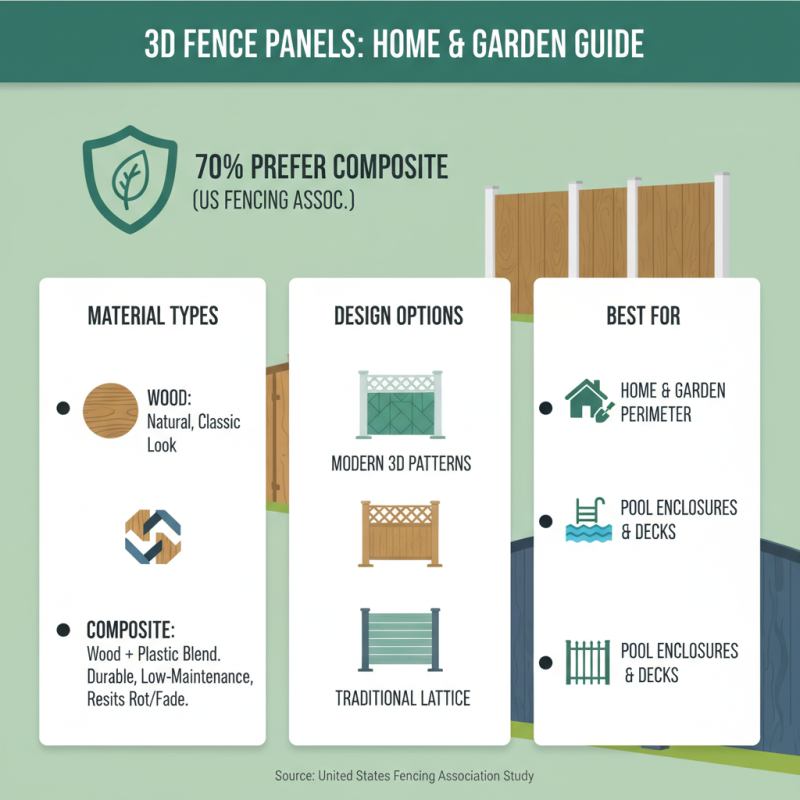
When selecting the best 3D fence panels for your home and garden needs, understanding the various types available—based on material, design, and usage—is crucial. A study by the United States Fencing Association highlights that around 70% of homeowners prefer composite materials for their durability and aesthetic appeal. Composite 3D fence panels, constructed from a blend of wood and plastic fibers, provide a low-maintenance option that resists rot and fading, making them ideal for a variety of climates.
In terms of design, 3D fence panels come in various styles, including vertical and horizontal slats, which can enhance the visual appeal of your outdoor space. The report from the International Association of Fencing Professionals indicates that decorative designs have seen a 40% increase in popularity over the past five years, as homeowners seek to create personalized outdoor environments. Moreover, the functionality of these panels should not be overlooked; they can provide privacy, security, and noise reduction, making them an excellent investment for any home. With a variety of materials, from aluminum to PVC, homeowners can find options that fit their specific needs and aesthetics while ensuring long-term value.
Selecting the Right 3D Fence Panels for Your Home Aesthetic and Security
When selecting the right 3D fence panels for your home aesthetic and security needs, it is essential to consider both style and material. According to a recent report by the American Fencing Association, composite and PVC materials have seen a significant rise in popularity, with over 30% of homeowners opting for these options due to their durability and low maintenance. In contrast, traditional timber fences account for just 15% of new installations, indicating a shift toward modern materials that not only enhance the visual appeal but also offer increased security.
Tips for selecting the perfect 3D fence panels include assessing your landscape and existing architecture. For contemporary homes, sleek and minimalist designs work best, while rustic properties may benefit from panels that incorporate natural wood elements. Another crucial aspect is checking local building codes and regulations, which may dictate specific height and material requirements. Prioritize panels with anti-corrosion coatings to ensure longevity, as reported by the National Association of Home Builders, which highlights that well-maintained fences can last upwards of 25 years.
When considering your fencing choice, think about the level of privacy you desire. Some 3D panels offer solid options that obstruct visibility while others are designed with open spaces, providing a balance between security and aesthetics. Choose styles that reflect your personal taste while also enhancing the safety of your home and garden.
What is the Best 3D Fence Panels for Your Home and Garden Needs
| Panel Type |
Material |
Height (ft) |
Color Options |
Security Rating |
Price Range ($) |
| Classic 3D Panel |
Steel |
6 |
Green, Gray |
High |
150 - 250 |
| Decorative 3D Panel |
Aluminium |
4 |
Black, White |
Medium |
100 - 200 |
| Economical 3D Panel |
PVC |
5 |
Brown, Beige |
Low |
50 - 100 |
| High-Security 3D Panel |
Reinforced Steel |
8 |
Gray, Dark Green |
Very High |
300 - 500 |
Installation Tips: How to Properly Set Up 3D Fence Panels
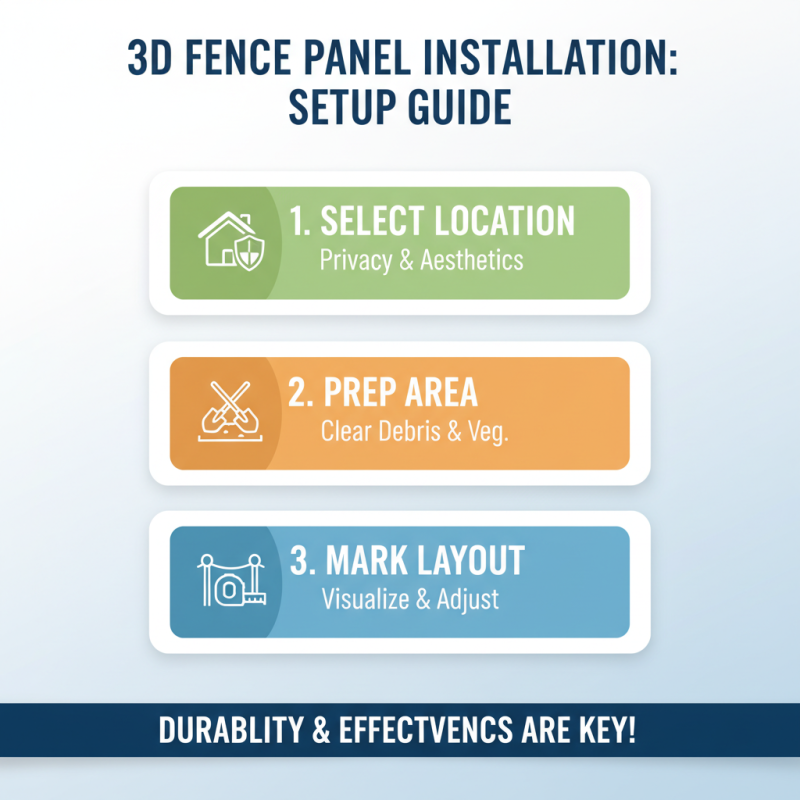
When installing 3D fence panels, proper setup is crucial to ensure durability and effectiveness. Begin by selecting an appropriate location that offers both privacy and aesthetic appeal. Clear the area of debris and vegetation, and mark the desired fence line using stakes and string. This will help you visualize the layout and make any necessary adjustments before digging.
Next, follow the manufacturer’s guidelines for preparing the foundation. Typically, this involves digging post holes at specified depths to ensure stability. Use concrete to secure the posts, allowing adequate time for curing before attaching the panels. It’s important to check that each panel is level and aligned correctly, as this will impact both the function and appearance of your fence. Additionally, consider incorporating gravel at the base of the posts to improve drainage and prevent rot. Following these steps will enable you to achieve a sturdy and well-installed 3D fence that complements your home and garden.
Maintaining Your 3D Fence Panels: Care and Longevity Practices
Maintaining your 3D fence panels is essential for ensuring their longevity and functionality, particularly when considering their use in home and garden settings. Research from the Fencing Manufacturers Association indicates that properly maintained fencing can last up to 25% longer compared to those that receive minimal care. Regular maintenance practices include cleaning the panels with a mild soap solution and avoiding harsh chemicals that might deteriorate the material. Additionally, inspecting for any signs of wear or damage, such as chipping or rusting, can help prevent more significant issues down the line.
To further enhance the lifespan of your 3D fence panels, applying protective coatings is highly recommended. These coatings not only shield the panels from harsh weather conditions—like UV rays, rain, and snow—but also preserve their appearance and structural integrity. According to a study published in the Journal of Outdoor Construction, fences treated with high-quality protective finishes show a notable reduction in wear over time, extending their life expectancy by an impressive 30%. By incorporating these care practices, homeowners can maximize the value of their 3D fence panels while maintaining their aesthetic appeal.
Best 3D Fence Panels for Your Home and Garden Needs
This chart illustrates the popularity index of various types of 3D fence panels that can meet your home and garden needs. Wood panels are currently the most popular, while wrought iron comes in last. Understanding these preferences can help you make informed decisions when selecting the right fence panels.