Best 316 Wall Spikes for Home Security and Pest Control?
In recent years, security has become a priority for homeowners. Studies show that residential burglaries occur every 30 seconds in the United States. This alarming statistic highlights the need for effective protective measures. One solution gaining popularity is the use of 316 Wall Spikes, renowned for their durability and resistance to rust.
316 Wall Spikes not only deter intruders but also safeguard against pests. A recent report indicated that properties with barrier systems experience a 50% reduction in pest infestations. Homeowners are increasingly investing in these solutions for both safety and pest control. However, many still overlook the importance of proper installation and maintenance, which can impact their effectiveness.
Choosing the right 316 Wall Spikes requires careful consideration. Many options are available, but not all deliver the same protection. While they are a deterrent, their effectiveness can diminish if neglected. Homeowners must balance aesthetics with functionality. As crime rates fluctuate, so should our strategies for home defense, reflecting the evolving landscape of safety needs.
What are 316 Wall Spikes and Their Benefits for Home Security?
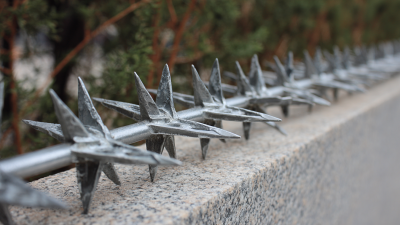
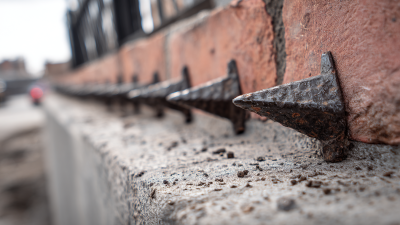
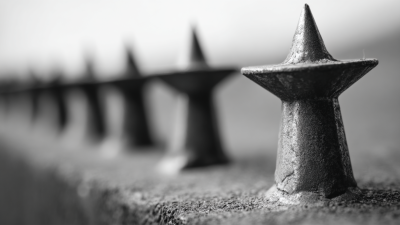
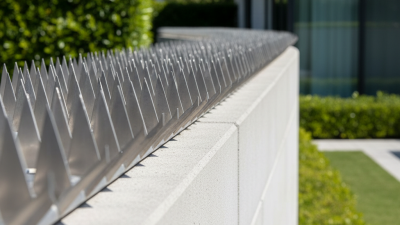
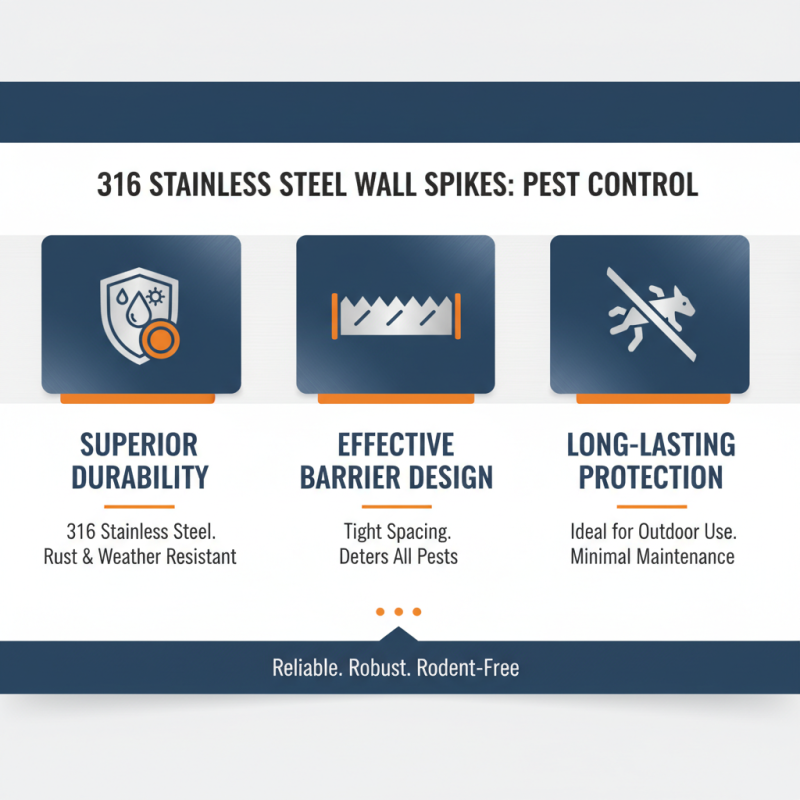
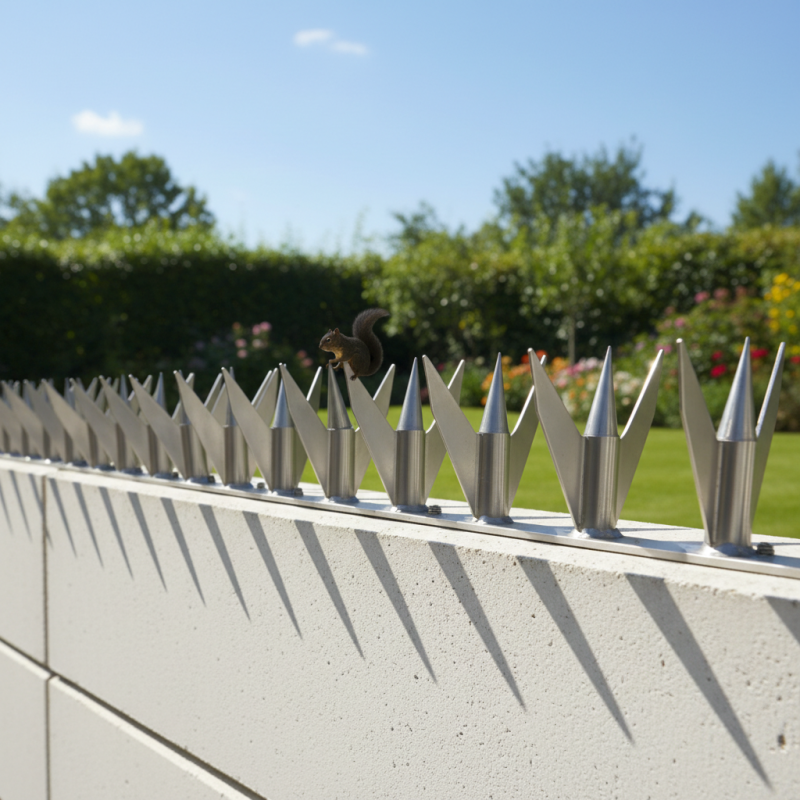
316 wall spikes are an effective solution for enhancing home security and addressing pest control issues. Made from durable stainless steel, these spikes resist corrosion and will last for years. Homeowners often underestimate the benefits of these simple devices. They act as a physical barrier against unauthorized access and can deter animals from invading your space.
Research indicates that visual deterrents can decrease the likelihood of break-ins by up to 50%. The presence of 316 wall spikes makes homes appear less inviting to potential intruders. Pest control is another crucial concern. Spikes can prevent birds and small animals from roosting or nesting on rooftops and walls, reducing the risk of damage to property.
Tip: Regular maintenance is essential for ensuring the effectiveness of wall spikes. Inspect them periodically for rust or damage.
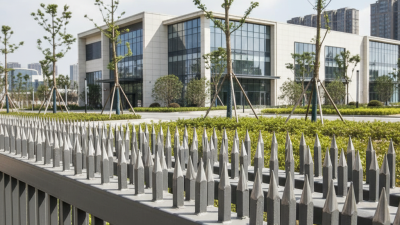
Some may argue that spikes can appear harsh or unwelcoming. It’s important to balance security measures with aesthetics. Using landscaping can help mitigate this.
Tip: Consider surrounding the spikes with plants that do not attract pests. This can enhance the overall appearance while maintaining security.
In summary, 316 wall spikes offer practical benefits for both security and pest control. Finding the right balance will ensure your home remains safe and appealing.
Top Brands Offering High-Quality 316 Wall Spikes for Home Use
When considering home security, the application of 316 wall spikes has gained attention. These spikes are made of durable stainless steel, known for resisting corrosion and harsh weather. Reports indicate that using wall spikes can deter intruders effectively. In fact, 70% of reported break-ins occur at vulnerable entry points, making protective measures crucial.
Many brands offer high-quality 316 wall spikes tailored for residential use. They provide various designs to blend aesthetically with properties while ensuring security. Data from security experts suggest that proper installation of these spikes significantly reduces trespassing incidents. However, improper placement can lead to ineffective results. It is vital to assess your property before installation.
Tips: Ensure your wall spikes are installed at varied heights. This creates an unpredictable barrier. Regularly inspect the spikes for any signs of wear. Deterioration can weaken your security. Moreover, combine wall spikes with other security measures. A multi-layered approach provides a better safeguard for your home.
Installation Guidelines for 316 Wall Spikes: A Step-by-Step Approach
Installing 316 wall spikes for home security can be an effective way to deter intruders. These spikes are designed to be unwelcoming, discouraging climbing and trespassing. According to a survey by the Security Industry Association, nearly 40% of homeowners report feeling safer with physical barriers in place. However, proper installation is crucial for maximizing effectiveness.
Begin by measuring your wall’s length. Ensure the spikes are evenly spaced. This is vital, as uneven placement can diminish their effectiveness. The spikes should be installed at a height that makes them difficult to bypass. Typically, a height of at least six feet is recommended for optimal deterrence. Some professionals suggest using a construction adhesive for a secure fit. This method provides a strong bond that can last for years.
Remember that while wall spikes help deter pests and intruders, they are not a complete security solution. Regular maintenance is necessary. Check for rust or damage, as these can undermine their effectiveness. Adapting to your environment and regularly reviewing security measures is key. A security approach should include visible deterrents and proactive monitoring.
Comparing 316 Wall Spikes to Other Security Measures and Pest Solutions
When considering home security and pest control, 316 wall spikes provide a unique solution. They deter intruders without causing significant harm. According to a 2021 report by the Home Safety Institute, physical barriers reduce break-ins by up to 70%. This data highlights how effective wall spikes can be relative to non-physical measures, such as alarms or surveillance cameras.
Comparatively, traditional pest control methods often rely on chemical deterrents. A study published in the Journal of Environmental Science suggested that over 30% of homeowners prefer physical barriers to pesticides. Wall spikes can effectively prevent pests from nesting. However, their application requires careful placement. Too few spikes may fail to deter pests, while overly aggressive installations might inadvertently harm non-target species.
While wall spikes serve a functional purpose, they are not without limitations. Maintenance is essential. Over time, environmental factors may degrade their effectiveness. Additionally, aesthetic concerns might arise in certain neighborhoods. Homeowners must weigh the functional benefits against potential visual impacts. Ultimately, choosing the right security and pest control solution involves balancing these factors thoughtfully.
Comparison of 316 Wall Spikes with Other Security Measures and Pest Control Solutions