How to Use Basket Gabion for Effective Landscaping and Erosion Control in 2025
In 2025, the significance of utilizing Basket Gabions in landscaping and erosion control is gaining unprecedented traction among industry professionals. According to a report by the Global Gabion Industry Association, the adoption of Gabion structures has increased by 45% over the last five years, reflecting a growing recognition of their effectiveness and sustainability. As environmental concerns become paramount in design practices, Basket Gabions provide not only functional benefits but also aesthetic appeal, making them an ideal choice for modern landscaping projects.
"Basket Gabions are crucial for preserving soil integrity and enhancing landscapes, offering both durability and versatility in design," states Dr. Emily Hartman, a leading expert in sustainable landscape architecture. Her insights underscore the dual capabilities of Basket Gabions to combat erosion while integrating harmoniously with the environment. By harnessing the natural properties of stone and wire frameworks, these structures can effectively mitigate runoff and sedimentation, setting a precedent for future applications in ecological restoration and urban planning. As we explore the potential of Basket Gabion in landscaping, it’s essential to approach these solutions with both creativity and a commitment to environmental stewardship.
Effective Applications of Basket Gabion in Modern Landscaping Techniques
Basket gabions are becoming increasingly popular in modern landscaping due to their versatility and effectiveness.
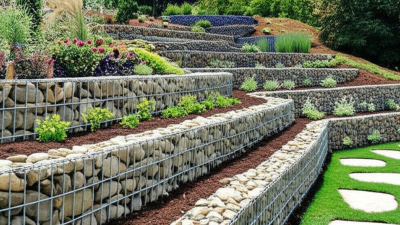
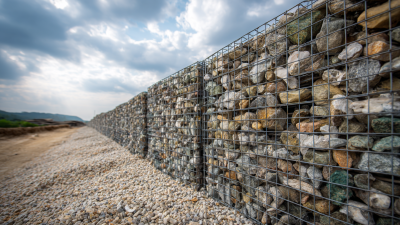
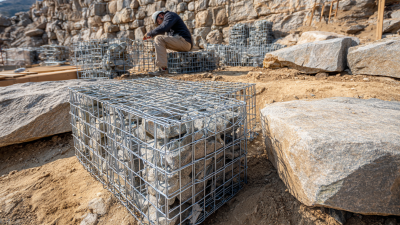
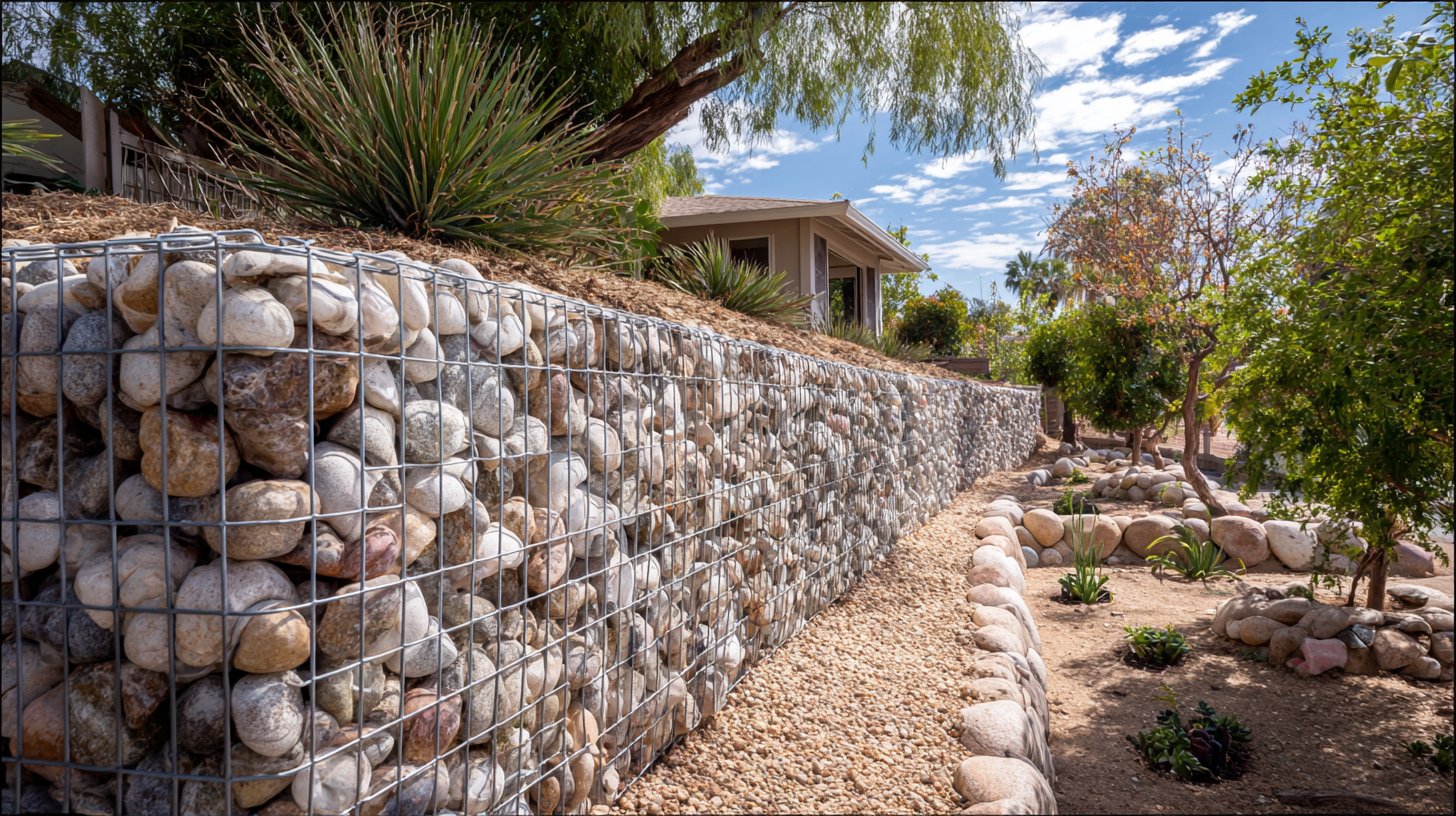
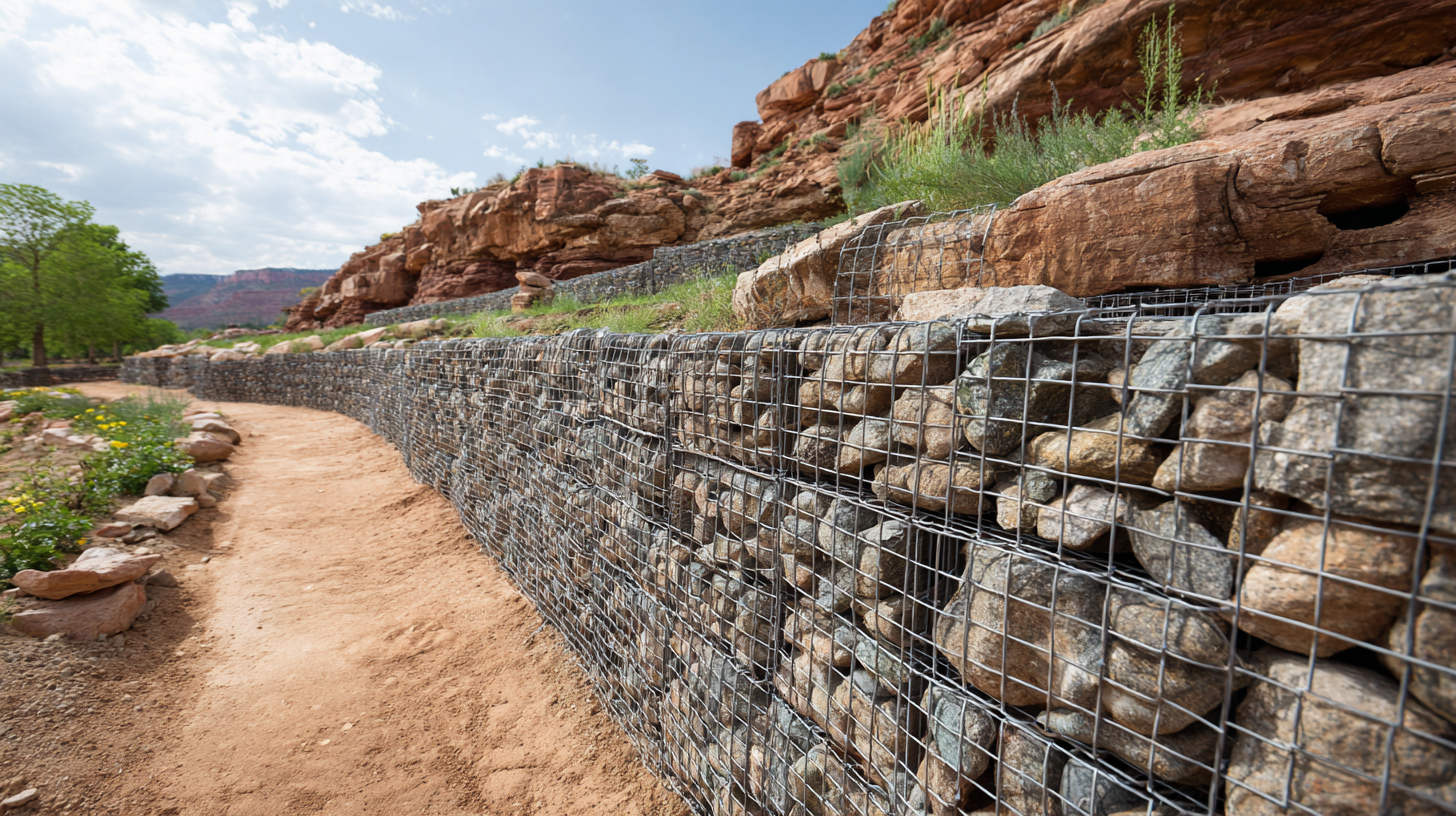
These wire mesh containers filled with rocks or other materials can be creatively utilized for various applications. One of their primary uses is in creating retaining walls,
which not only provide structural support for sloped landscapes but also blend seamlessly into natural surroundings. By integrating basket gabions into garden designs,
landscapers can enhance aesthetic appeal while promoting drainage and preventing soil erosion.
Additionally, basket gabions serve well as decorative elements in outdoor spaces. When filled with colorful stones,
they can function as eye-catching planters or garden borders. Their ability to take on different shapes and sizes allows for creative landscaping solutions that can transform typical outdoor areas into unique landscapes.
Moreover, by using environmentally friendly materials within the gabions, homeowners can contribute to sustainability while enjoying functional and stylish landscaping features.
Statistical Benefits of Using Gabion Structures in Erosion Control
The use of gabion structures for erosion control has been statistically proven to offer significant benefits in landscaping practices. In 2025, the integration of basket gabions has become essential, particularly in areas prone to soil erosion due to heavy rainfall and flooding. Studies indicate that these structures can reduce surface runoff by up to 30%, effectively minimizing the soil loss that typically occurs during intense weather events. This reduction not only preserves the landscape but also enhances the longevity of surrounding vegetation by maintaining soil integrity.
Furthermore, the statistical benefits of gabion systems extend to environmental sustainability. By utilizing locally sourced materials, the carbon footprint of constructing these erosion control solutions is significantly lower compared to traditional methods. In fact, data from recent ecological surveys suggest that properly installed gabions can increase local biodiversity by providing habitats for various wildlife species. This dual benefit of effective erosion control and enhanced ecological stability positions gabion structures as a viable solution for modern landscaping needs.
Comparative Analysis of Gabion vs. Traditional Retaining Wall Solutions
When considering landscaping and erosion control in 2025, a comparative analysis of gabions versus traditional retaining walls reveals several advantages of using basket gabions. Gabions, which consist of wire mesh filled with stones or other materials, provide a versatile and aesthetically pleasing solution that adapts well to the natural landscape.
Unlike traditional retaining walls, which can be rigid and unappealing, gabions offer a more organic appearance that can harmonize with the environment. Additionally, their open structure allows for improved drainage, significantly reducing the risk of water buildup that can lead to erosion.
When selecting between these options, it’s helpful to consider the following tips:
- First, assess the specific needs of your site. If your area experiences heavy rainfall, the permeability of gabions may offer better long-term stability than a traditional wall.
- Second, consider the cost and maintenance. Gabions might require a higher initial investment due to materials and installation but often have lower maintenance costs over time.
- Lastly, think about customization. Gabions can be filled with various materials, allowing you to match your landscape design more closely than conventional retaining walls.
In summary, both solutions have their place in landscaping, but basket gabions provide unique benefits that cater to aesthetic appeal and functionality in erosion control.
Innovative Design Ideas for Basket Gabion in Residential and Commercial Spaces
In the pursuit of innovative landscaping designs, basket gabion structures are increasingly recognized for their versatility and aesthetic appeal in both residential and commercial spaces. These wire mesh containers filled with stones not only provide robust support for erosion control but also serve as eye-catching focal points in gardens and outdoor areas. Homeowners and businesses are discovering clever ways to integrate gabion baskets into their landscapes, using them as planters, seating options, or decorative walls that blend seamlessly with nature.
The rise of unique office environments also inspires creative uses of basket gabion. Much like the recent transformation of a corporate office into a stylish, themed space, gabion installations can reflect a company's identity and values through thoughtful design. Incorporating colorful stones or plants within the gabions can enhance the visual impact, creating a bold statement that resonates with modern aesthetics. This innovative approach not only supports ecological integrity but also fosters an inviting atmosphere for employees and clients alike. Whether as a feature wall or a sculptural element in outdoor meeting areas, basket gabions represent a blend of function and style that suits the evolving landscape design trends in 2025.
Future Trends in Eco-Friendly Landscaping with Gabion Technology
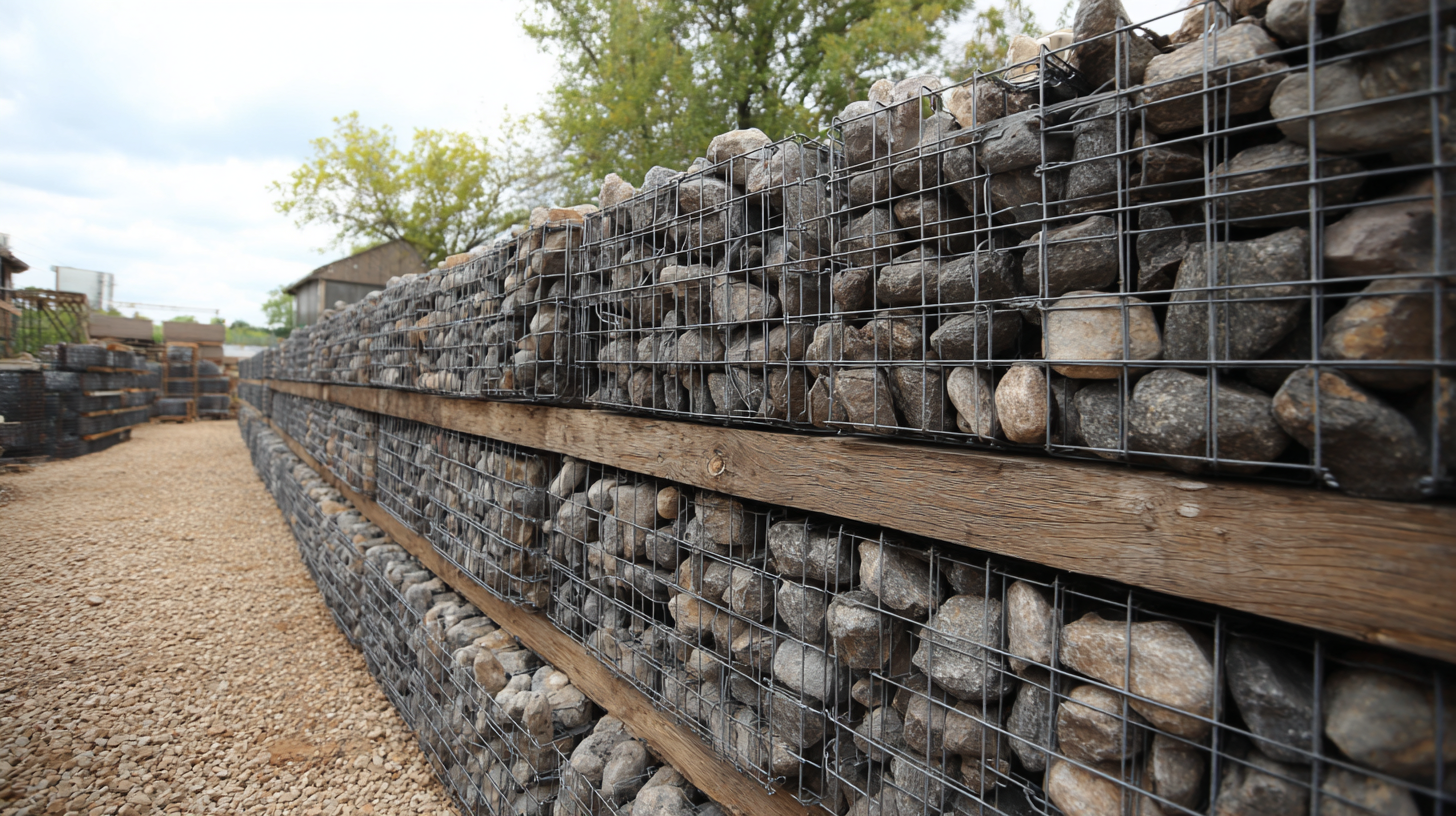
As we advance into 2025, eco-friendly landscaping is gaining momentum with the integration of gabion technology, particularly basket gabions. These versatile structures, made from wire mesh filled with natural stones, are being increasingly recognized for their dual functionality: effective landscaping and erosion control. According to a recent report from the Global Eco-Friendly Landscaping Consortium, the use of gabions in commercial landscaping has increased by over 30% since 2020, highlighting their rising popularity due to their sustainability and aesthetic appeal.
One of the future trends in this domain is the incorporation of recycled materials in the construction of gabions. A study by the Eco-Construction Institute revealed that using recycled aggregates in gabions not only reduces waste but also enhances the soil stabilization properties of landscaping projects. Furthermore, experts predict that by 2025, over 40% of new gabion installations will feature sustainable materials, aligning with the global push towards environmentally responsible design and construction practices. This shift not only conserves natural resources but also plays a crucial role in mitigating soil erosion, helping to preserve our ecosystems while creating beautiful outdoor spaces.