What is a Basket Gabion and Its Uses in Modern Construction?
In the evolving landscape of modern construction, the "Basket Gabion" has emerged as a versatile and practical solution. Expert John Smith, a renowned civil engineer, states, “Basket Gabions are not just functional; they redefine aesthetics in landscape architecture.” This statement emphasizes the dual role of Basket Gabions in both utility and design.
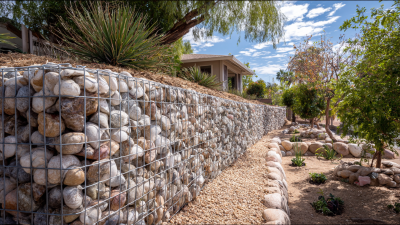
Basket Gabions are wire mesh containers filled with stones or other materials. They are used for erosion control, retaining walls, and decorative landscaping. Their flexibility allows for various configurations, catering to both engineering needs and visual appeal. Sustainability is a key concern in construction today, and Basket Gabions help address this by utilizing natural materials.
However, challenges exist. The installation process requires careful planning and execution. If not done correctly, they may not perform as intended. Additionally, while Basket Gabions are eco-friendly, sourcing quality materials locally can be difficult. Addressing these issues is crucial for maximizing their benefits in construction.
Definition and Characteristics of Basket Gabions
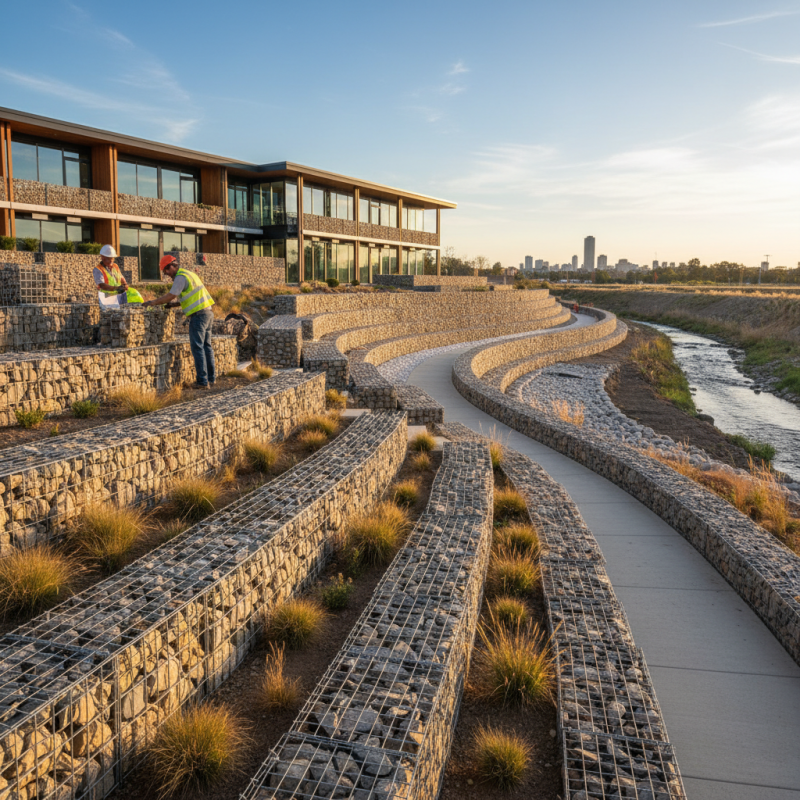
Basket gabions are versatile structures used widely in modern construction. They consist of wire mesh baskets filled with stones or other materials. This design provides stability and durability. These structures are often used for retaining walls, slope protection, and erosion control. Their robust nature allows them to withstand harsh environmental conditions.
One key feature of basket gabions is their permeability. Water can flow through them without causing pressure build-up. This characteristic helps prevent soil erosion. Moreover, they blend well with natural landscapes. The stones can be selected to match local geology. This aesthetic aspect is often overlooked but is vital in many projects.
Tips
When considering using basket gabions, think about local materials. Using stones from the area reduces transportation costs. It also enhances the gabion's integration into the surroundings. Remember to evaluate the site conditions carefully. Unstable soil can compromise gabion strength. Always seek expert advice if necessary.
Historical Background and Evolution of Basket Gabions
The concept of basket gabions has evolved significantly over centuries. Originating from military applications, they were first used to hold earth and create fortifications. Ancient civilizations found them practical for erosion control and reinforcement. The earliest recorded uses date back to the Romans, utilizing woven baskets filled with stones for defense. These enduring structures demonstrated stability and resilience.
In modern construction, basket gabions serve multiple purposes. They’re often used for retaining walls, slope stabilization, and noise barriers. According to a report by the American Society of Civil Engineers, the demand for gabion structures in civil engineering has increased by 20% over the last decade. Their versatility is notable; however, design flaws can occur. Some engineers overlook the need for proper drainage, leading to potential failures.
The materials used for gabions have also advanced. Galvanized steel wire offers durability against corrosion. Reports from the Construction Research Institute highlight that gabions can effectively last over 50 years if properly maintained. Yet, improper installation remains a critical issue. Factors like poor site selection and inadequate foundation support can undermine their effectiveness. These challenges highlight the importance of meticulous planning in construction projects.
What is a Basket Gabion and Its Uses in Modern Construction? - Historical Background and Evolution of Basket Gabions
| Dimension |
Description |
Use Case |
Materials |
| Standard Size |
Typically used for erosion control, retaining walls, and landscaping. |
Erosion control in riverbanks, biodegradable landscaping. |
Wire mesh, crushed stone, soil. |
| Custom Size |
Tailored for specific structural needs based on site requirements. |
Support structures for highways, buildings. |
Steel wire, gravel, and various aggregates. |
| Architectural Gabions |
Designed for aesthetic purposes, blending with nature. |
Garden walls, artistic installations. |
Glass, natural stone, shells. |
| High-Stability Gabions |
Engineered for high stability in challenging environments. |
Heavy load-bearing structures, coastal installations. |
Reinforced wire, heavy rocks. |
Common Applications of Basket Gabions in Modern Construction
Basket gabions are becoming increasingly popular in modern construction. These wire mesh containers, filled with stones or rocks, provide various benefits. Their versatility makes them suitable for diverse applications.
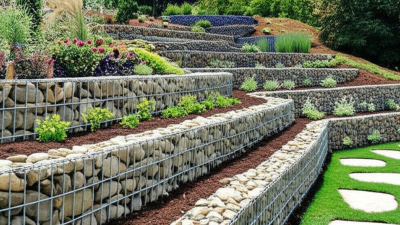
One common use is for retaining walls. Basket gabions can withstand soil pressure, offering stability. They help prevent erosion in hilly areas, where heavy rainfall can wash away soil. In parks and gardens, they create beautiful landscaping features, blending natural aesthetics with functionality. A well-placed gabion can serve as a seating area or a unique garden border.
Basket gabions also find their place in flood control. They are often used to create barriers along riverbanks. This can help reduce the impact of flooding in vulnerable regions. While effective, some projects fail to account for local soil conditions. It’s essential to design gabions that adapt to specific environments. Careful planning is key to maximizing their effectiveness in modern construction.
Common Applications of Basket Gabions in Modern Construction
Advantages of Using Basket Gabions for Erosion Control and Landscaping
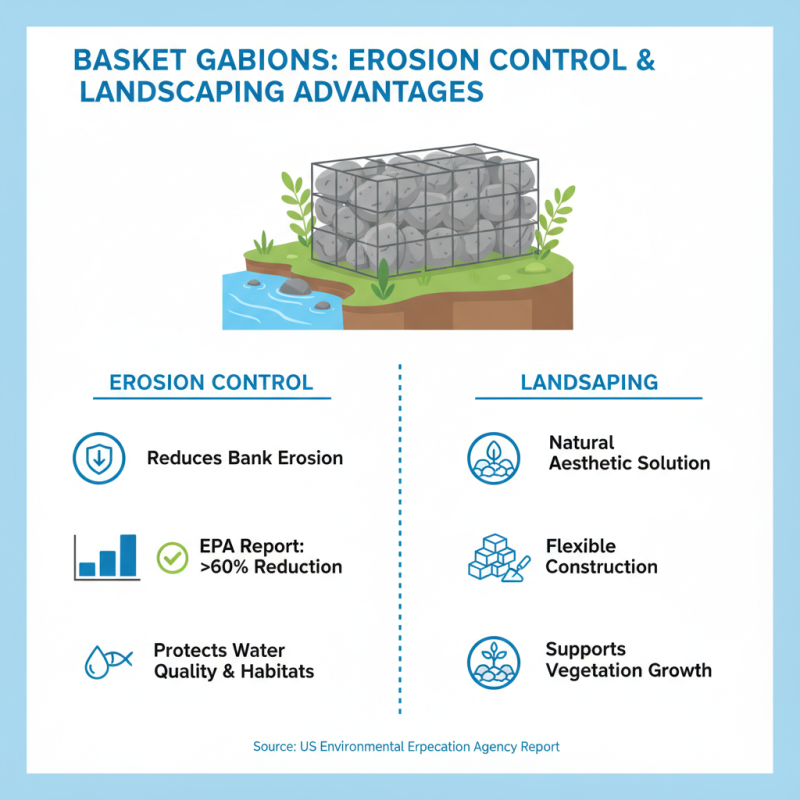
Basket gabions have gained popularity in modern construction, particularly for erosion control and landscaping. These wire mesh containers are filled with stones. They provide a natural solution to bank erosion. According to a report by the U.S. Environmental Protection Agency, utilizing natural materials like gabions can reduce erosion rates by over 60%. This is vital for sustaining water quality and protecting habitats.
The advantages are clear. Basket gabions are flexible and can adapt to various terrains. Their design allows for easy installation, which saves both time and money. They also blend seamlessly with natural surroundings, promoting aesthetics. However, the initial setup may require precision to ensure stability. If not done properly, they can shift or collapse under pressure. This highlights the importance of quality workmanship.
In landscaping, basket gabions serve both functional and decorative purposes. They can be used as retaining walls, garden borders, or even seating areas. Studies suggest that incorporating such materials can improve property value by up to 15%. However, designers must be cautious about the type of stone used to maintain structural integrity. Choosing inappropriate materials could undermine the effectiveness of the gabions. Such factors emphasize the need for careful planning and execution.
Installation and Maintenance Considerations for Basket Gabions
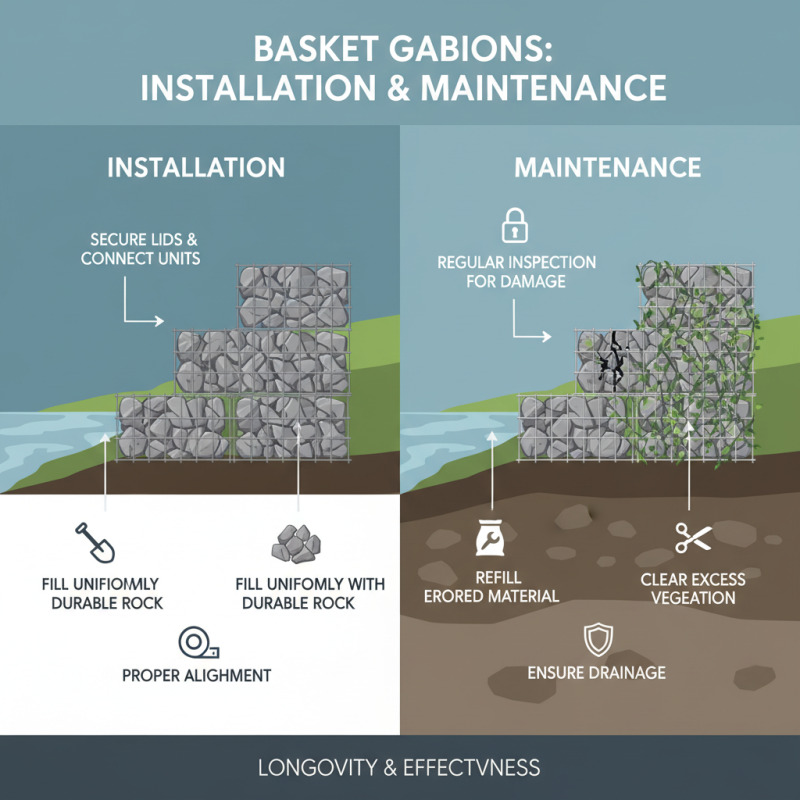
Basket gabions are versatile structures commonly used in modern construction. They consist of wire mesh cages filled with rocks or other materials. These units provide excellent erosion control and can shape landscaping features. However, proper installation and maintenance are key to their longevity and effectiveness.
For installation, choose a stable and level foundation. It's crucial that the ground can support the weight of the filled gabions. Over time, improper placement may lead to shifting or settling. Make sure to secure the corners well. This prevents water and soil from affecting their integrity.
Tips: Regularly inspect the structure. Look for signs of wear or dislodgement. If you notice anything unusual, address it immediately. Filling materials should be compact and well-placed to avoid gaps. Maintenance can be minimal, but neglecting it might lead to unexpected problems later. Simple checks can save you time and money in the long run.