What is 3D Fence Panels and Why Should You Use Them?
In the realm of modern fencing solutions, 3D Fence Panels have emerged as a popular choice. These panels are not just visually appealing; they offer security and durability. According to fencing expert John Matthews, “3D Fence Panels combine strength with aesthetic value, making them a top pick for residential and commercial properties.”
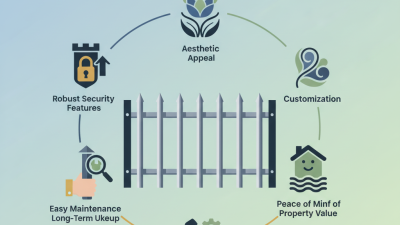
Utilizing 3D Fence Panels not only enhances the look of your property but also provides a versatile solution to various fencing needs. Their unique design includes a three-dimensional structure, which adds depth and dimension, appealing to the eye. Additionally, they are sturdy and resistant to environmental factors, ensuring longevity. A well-constructed fence can significantly impact property value and appeal.
However, comfort and safety should be balanced. Many overlook the installation process or the maintenance involved later on. Investing in quality 3D Fence Panels requires understanding potential long-term challenges. Choosing the right supplier is also crucial; not all providers offer the same level of reliability and service. It's wise to do thorough research before making a decision to install these modern fencing solutions.
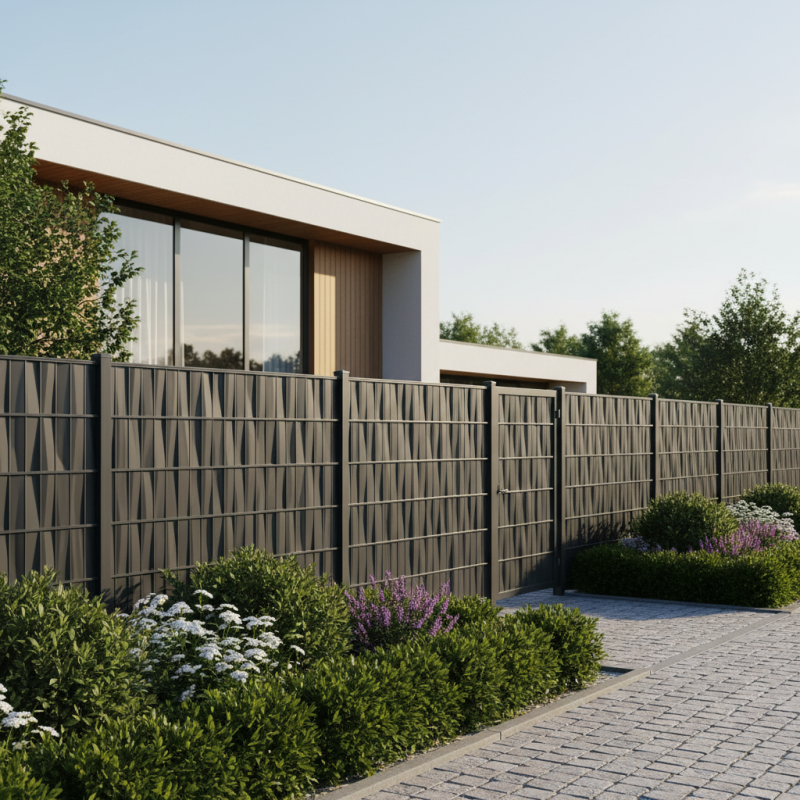
What Are 3D Fence Panels and Their Construction Features?
3D fence panels have become increasingly popular in recent years due to their unique construction features. Unlike traditional fences, 3D panels utilize a three-dimensional design. This design enhances their strength, durability, and aesthetic appeal. The panels are typically made from galvanized steel or other robust materials. Reports indicate that around 80% of property owners prefer durable fencing options.
The construction of 3D fence panels involves a series of vertical and horizontal wires, forming a grid structure. This structure provides not only security but also visibility. The spacing between wires allows airflow while maintaining a closed-off barrier. According to industry experts, 3D panels have a lower maintenance requirement, which is appealing for many homeowners. It's essential to consider the installation method as it impacts the overall effectiveness of the fence.
However, some potential problems exist. Improper installation may lead to issues with stability. Panels can sometimes develop rust if exposed to harsh conditions. Homeowners need to weigh these factors against the benefits. Despite some drawbacks, the popularity of 3D fence panels is expected to continue growing due to their innovative design and functionality.
Advantages of Using 3D Fence Panels in Various Applications
3D fence panels are a modern fencing solution that offers various advantages in different applications. These panels are not just functional; they also provide an appealing aesthetic. Their three-dimensional design enhances security while adding a unique visual appeal to residential and commercial properties.
One notable advantage of using 3D fence panels is their durability. Made from high-quality materials, these panels withstand harsh weather conditions. This resilience means less frequent replacements, ultimately saving costs in the long term. Additionally, the design minimizes maintenance needs. It's essential to consider local weather patterns before installation.
Another advantage is versatility. 3D fence panels are suitable for various applications, from securing a garden to perimeter fencing for industrial sites. Their adaptable nature allows for customization in height and color. However, careful planning is crucial to ensure they meet specific needs. Choose the right panel for your situation.
**Tips:** Ensure the installation complies with local building codes. Consider consulting a professional for proper alignment. Regularly check for any wear, especially after severe weather changes.
Advantages of Using 3D Fence Panels
Comparing 3D Fence Panels with Traditional Fencing Options
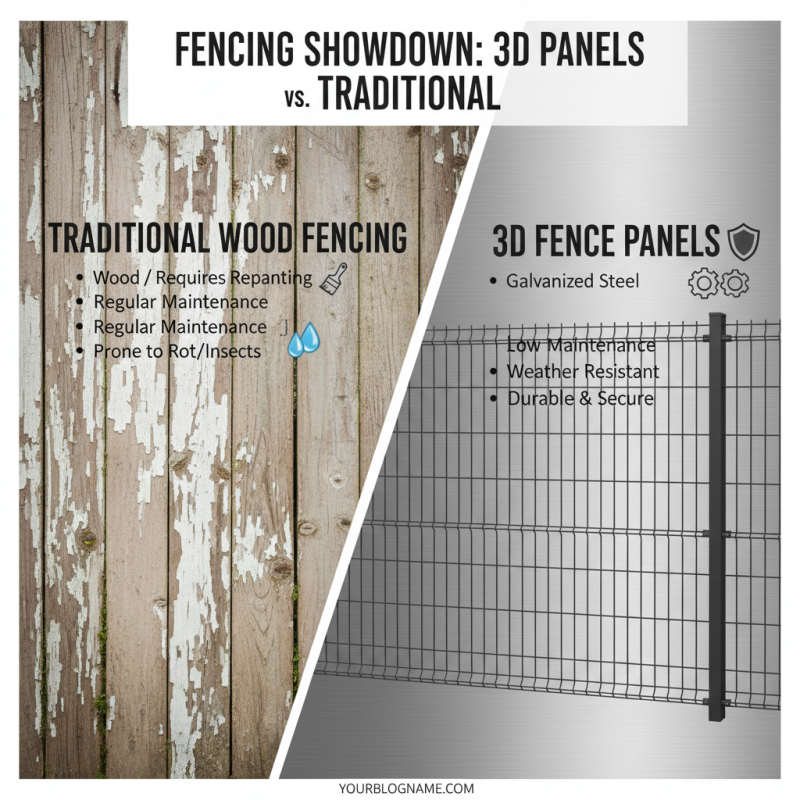
When it comes to fencing solutions, 3D fence panels stand out. Unlike traditional options, these panels offer unique benefits. Traditional wooden fences often require repainting and regular maintenance. In contrast, 3D fence panels are made from durable materials like galvanized steel. This allows them to withstand harsh weather conditions effectively.
According to a report by the American Fencing Association, 3D panels can reduce maintenance costs by up to 30%. This is a significant advantage for homeowners looking to save money. Traditional fencing can sag, warp, or rot over time, leading to increased replacement costs. 3D panels maintain their shape and integrity for many years.
Tip: If you opt for 3D panels, ensure the installation is done correctly. Poor installation can lead to issues down the line. Additionally, consider the aesthetics of your property. While 3D panels are effective, they may not suit every architectural style.
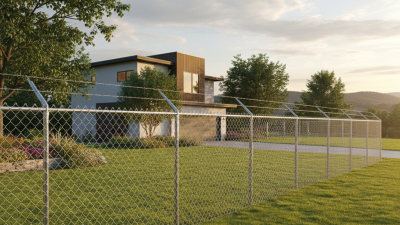
In terms of security, 3D fence panels offer a formidable barrier. They are challenging to climb, unlike chain-link fences, which can be easily breached. A study from the International Security Industry Association noted a 25% decrease in break-ins with the installation of robust fencing solutions.
Tip: Always assess your neighborhood's safety needs before making a decision. Relying solely on fencing may not be enough in high-crime areas. Balancing security with visual appeal is key to achieving a functional and attractive perimeter.
Installation Process for 3D Fence Panels: A Step-by-Step Guide
The installation of 3D fence panels can be simple yet effective. Begin by gathering your materials. You will need panels, posts, concrete, and tools like a level and power drill. The quality of your materials can significantly influence the overall strength of the fence. A report by the American Fencing Association suggests that 3D panels can outlast traditional fencing by up to 20 years when properly installed.
Prepare your site by marking where each post will be placed. Typically, posts should be spaced about 2.5 to 3 meters apart. Ensuring precise spacing is crucial to avoid weak points in the fence. Dig holes for the posts at least 60cm deep for stability. Some users neglect this detail, resulting in a fence that wobbles over time. Once the posts are in place, fill them with concrete to secure them.
After the posts are set, attach the 3D panels. Use screws to fasten each panel securely to the posts. It’s essential to check for alignment frequently during this step. Misalignments can lead to an uneven appearance and compromise durability. According to industry studies, proper installation can enhance the panel's wind resistance by up to 30%. Attention to detail during installation can make a significant difference in the longevity of your fence.
What is 3D Fence Panels and Why Should You Use Them? - Installation Process for 3D Fence Panels: A Step-by-Step Guide
| Dimension |
Specification |
Benefits |
| Height |
1.8 meters |
Increased privacy |
| Material |
Steel |
Durability |
| Panels per Unit |
4 panels |
Cost-effective |
| Weight |
30 kg |
Stability |
| Finish |
Powder-coated |
Rust resistance |
| Installation Time |
1-2 days |
Quick setup |
Maintenance Tips for Enhancing the Longevity of 3D Fence Panels
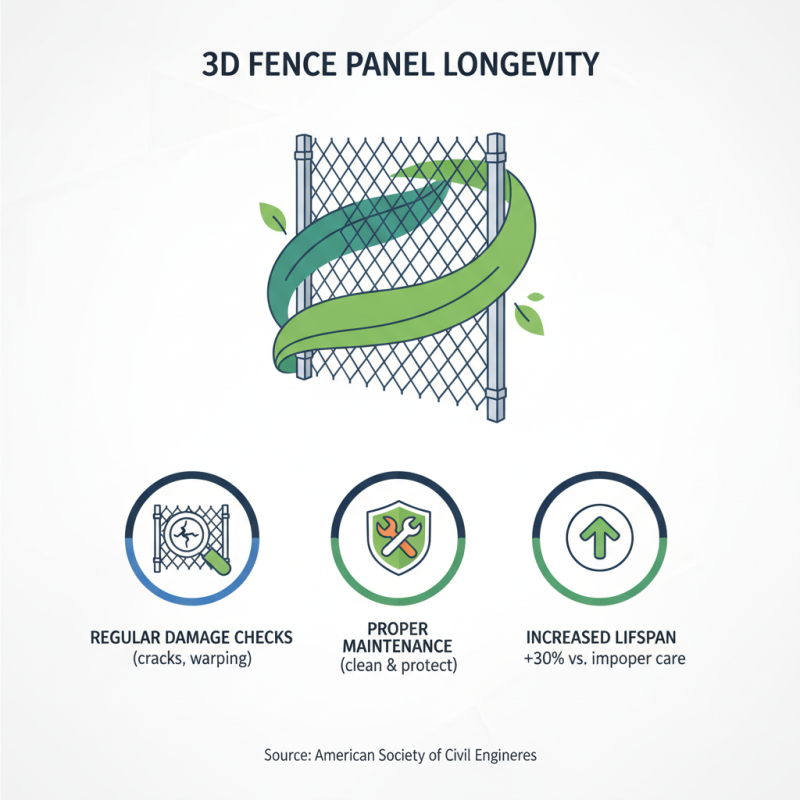
When it comes to 3D fence panels, proper maintenance is key to enhancing their longevity. These panels, often made from high-quality materials, can last for years if cared for correctly. According to a report by the American Society of Civil Engineers, improper maintenance can reduce the lifespan of fencing systems by as much as 30%. Regular checks for damage, such as cracks or warping, are crucial. Even minor wear can, over time, lead to bigger problems.
Cleaning is another vital aspect. Dirt and grime can accumulate and affect the appearance of your panels. Using a soft brush and mild soap will help maintain their aesthetic appeal. Research indicates that regular cleaning can extend the life of 3D panels by preventing premature deterioration. Additionally, consider applying a protective sealant every few years. This not only repels moisture but can also inhibit rusting or corrosion, important for metal panels. Even small acts, like inspecting for loose fittings, can have significant benefits. Neglecting these details might cost you more in repairs later.
Lastly, even with the best maintenance practices, some conditions may be unavoidable. Environmental factors can still impact the durability of your panels. Harsh weather can lead to unexpected wear and tear, highlighting the need for proactive management. Addressing potential issues early can save time and money in the long run. Recognizing these elements is part of responsible fence ownership and contributes to the overall effectiveness of your 3D fence panels.